
Whether you’re preparing for unexpected power outages, reducing your reliance on the electrical grid, or building a smarter home energy system, choosing the right home battery backup system can significantly improve both your home’s resilience and everyday energy management.
The challenge is that the best home battery backup system isn’t simply the one with the largest battery capacity or the highest power output. One system may excel at maximizing solar self-consumption, another may offer superior backup performance during extended outages, while a different model could provide better long-term value through expandability, intelligent energy management, or a more mature software ecosystem.
For this guide, we evaluated today’s leading home battery backup systems based on the factors that matter most to homeowners: usable battery capacity, continuous AC output, battery chemistry, expandability, charging flexibility, solar compatibility, smart energy management, warranty coverage, overall value, and long-term reliability.
Rather than recommending one “perfect” solution for every home, we explain the strengths, limitations, and ideal use cases for each system, helping you choose the home battery backup system that best matches your energy needs, budget, and future plans.
As an Amazon Associate, we earn from qualifying purchases.
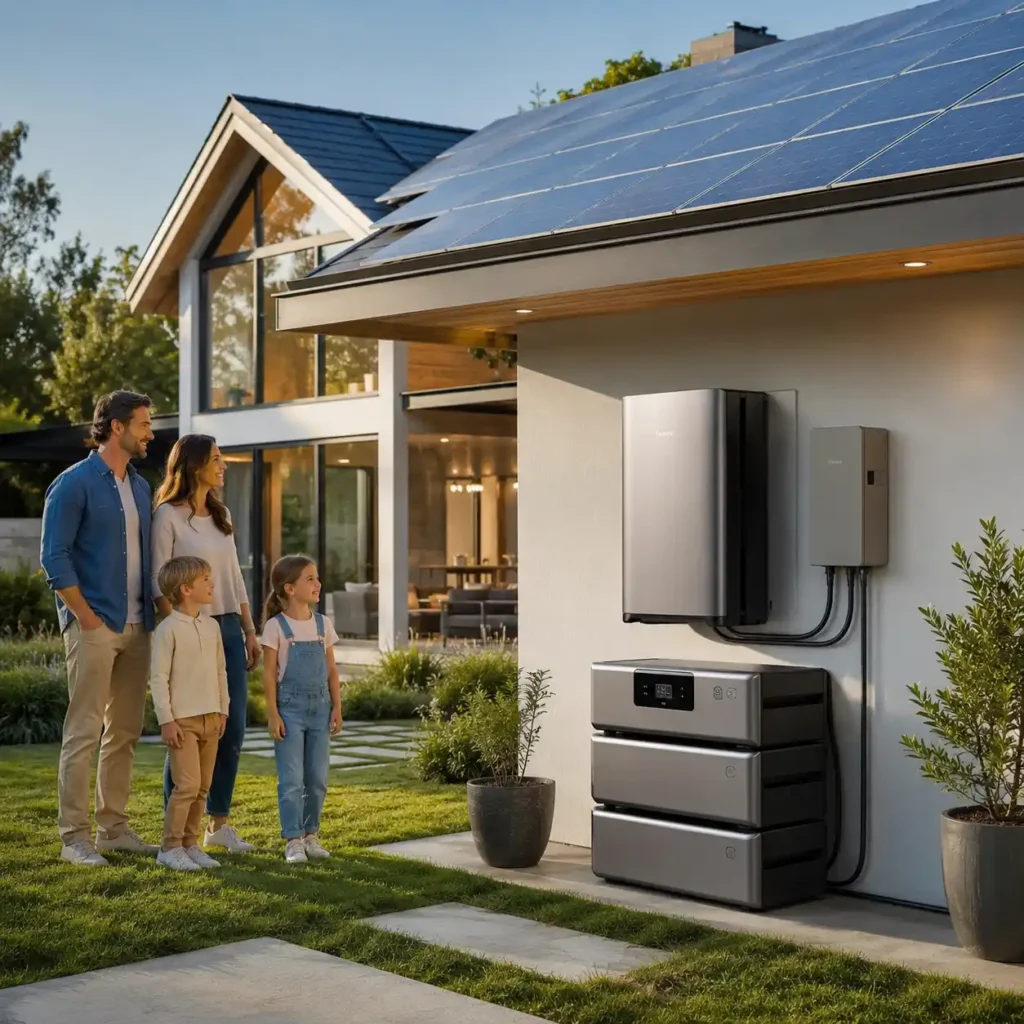
Table of Contents
Quick Answer
Choosing the best home battery backup system isn’t simply about buying the largest battery or the most expensive energy storage solution. The right system should provide dependable backup power during outages while also helping you manage daily energy consumption, integrate with solar panels, and adapt to your home’s future energy needs. For many homeowners, battery lifespan, expandability, intelligent energy management, and overall system flexibility are just as important as battery capacity.
Unlike standalone solar batteries, the products in this guide are complete home battery backup systems with integrated inverters, power electronics, charging systems, and energy management features. They are designed to provide ready-to-use residential backup power rather than serving as individual battery modules within a larger solar installation.
Rather than focusing exclusively on emergency backup during outages, this guide evaluates complete residential energy storage platforms that improve everyday energy management, support solar self-consumption, reduce grid dependence, and provide reliable long-term battery storage for modern homes.
After comparing today’s leading home battery backup systems, the EcoFlow DELTA Pro Ultra earns our Best Overall recommendation thanks to its exceptional combination of expandable battery storage, powerful 120V/240V output, advanced smart energy management, ultra-fast charging, and one of the most mature home energy ecosystems currently available. Whether you’re preparing for unexpected outages or investing in long-term residential energy storage, it offers an outstanding balance of performance, scalability, and future-proof design.
If your priorities are different, there are several excellent alternatives. The EcoFlow DELTA Pro 3 delivers premium performance at a more accessible price point, the Anker SOLIX F3800 offers exceptional value for homeowners seeking reliable backup power, the BLUETTI Apex 300 + B300K stands out with its highly expandable modular architecture, while the Jackery HomePower 3600 Plus is an excellent choice for homeowners expecting their energy requirements to grow over time.
Ultimately, the best home battery backup system depends on your home’s energy usage, your backup priorities, whether you plan to add solar panels, and how much flexibility you want as your energy needs evolve. Throughout this guide, we’ll compare each recommended system in detail, explain its strengths and limitations, and help you choose the home battery backup solution that best fits your home, budget, and long-term energy goals.
Why You Can Trust Power Ready Guide
At Power Ready Guide, we focus exclusively on backup power, residential battery storage, portable energy, solar solutions, and emergency preparedness. Every recommendation in this guide is based on extensive product research, official manufacturer specifications, long-term reliability, independent testing data, feature comparisons, and real-world user experiences rather than marketing claims alone.
For this guide, we evaluated every home battery backup system using the same objective criteria to ensure fair and consistent comparisons. Instead of focusing on a single specification such as battery capacity or inverter output, we assessed each system as a complete residential energy storage solution designed to deliver dependable backup power, improve everyday energy management, and provide long-term value for homeowners.
Our evaluation considered:
- Usable battery capacity and real-world energy storage.
- Continuous AC output and 120V/240V capability.
- LiFePO₄ battery technology, expected cycle life, and long-term durability.
- Charging performance, including AC and solar charging.
- Expandability through additional battery modules.
- Smart energy management features and mobile app functionality.
- Ease of installation and overall user experience.
- Manufacturer reputation, warranty coverage, and long-term reliability.
- Overall value based on performance, flexibility, and future-proof design.
We don’t recommend the most expensive home battery backup system—we recommend the one that delivers the best combination of reliability, energy storage, expandability, smart features, and overall ownership experience for each type of homeowner. Whether you’re investing in backup power for occasional outages or building a long-term home energy ecosystem, our goal is to help you choose a system that fits your home today while remaining capable of meeting your future energy needs.
How We Evaluated the Best Home Battery Backup Systems

Homeowner reviewing home battery backup systems, comparing battery specifications, energy storage capacity, and smart energy management features while planning a residential backup power solution.
Every home battery backup system in this guide was evaluated using the same research framework to ensure fair, consistent, and objective comparisons. Rather than focusing on a single specification such as battery capacity or inverter output, we assessed how each system performs as a complete residential energy storage solution, balancing backup performance, daily energy management, expandability, efficiency, and long-term ownership value.
The largest battery isn’t automatically the best investment for every homeowner. In many cases, factors such as intelligent energy management, software capabilities, future expandability, charging flexibility, and overall ecosystem support have a much greater impact on long-term satisfaction than maximum storage capacity alone. Our evaluation reflects the real-world trade-offs homeowners face when choosing a home battery backup system.
Each recommendation was assessed using the following criteria:
- Usable battery capacity for both everyday energy storage and emergency backup.
- Continuous AC output to support essential household appliances and higher-demand electrical loads.
- 120V/240V capability, allowing compatibility with a wider range of residential applications.
- Battery chemistry, with preference given to LiFePO₄ technology for its superior lifespan, safety, thermal stability, and long-term value.
- Charging flexibility, including fast AC charging, solar charging compatibility, and additional charging options where supported.
- Expandability, evaluating how easily each system can grow through additional battery modules as household energy needs increase.
- Smart energy management, including mobile apps, monitoring tools, automatic energy optimization, and intelligent system controls.
- Build quality and long-term reliability, based on manufacturer reputation, product engineering, warranty coverage, and long-term ownership expectations.
- Overall value for money, balancing performance, features, flexibility, and long-term ownership costs rather than simply recommending the most expensive solution.
We also considered different homeowner scenarios because the ideal home battery backup system varies significantly depending on how it will be used. Some buyers prioritize emergency backup during occasional outages, while others are building a complete home energy storage system designed to reduce electricity costs, maximize solar self-consumption, or support greater energy independence for years to come.
Our objective isn’t to recommend the home battery with the highest specifications on paper. Instead, we identify the systems that deliver the best overall ownership experience, helping homeowners invest in reliable residential battery storage that matches both their current energy requirements and their future plans.
Who This Guide Is For
Choosing a home battery backup system isn’t simply about purchasing the largest battery or the most powerful inverter. The right solution depends on how you use electricity every day, which appliances you want to keep running during outages, whether you plan to install solar panels, and how your household’s energy needs may evolve over time.
This guide is designed for homeowners who want to make an informed buying decision based on real-world performance, long-term value, and practical energy management rather than marketing specifications alone.
It’s especially helpful for:
- Homeowners looking for reliable backup power to keep essential appliances, lighting, internet, refrigeration, and home office equipment running during unexpected outages.
- Families investing in residential energy storage who want to reduce dependence on the electrical grid while improving long-term energy resilience.
- Homeowners planning to install solar panels and looking for a battery system that supports solar charging, greater self-consumption, and increased energy independence.
- People living in areas with frequent power outages, severe weather, or an unstable electrical grid who need dependable battery backup for everyday peace of mind.
- Buyers comparing today’s leading home battery systems, including EcoFlow, Anker SOLIX, BLUETTI, and Jackery, before making a significant investment in residential energy storage.
Whether your priority is dependable emergency backup, lower electricity bills through smarter energy management, seamless solar integration, future battery expansion, or simply investing in a reliable home energy ecosystem, this guide will help you choose the home battery backup system that best matches your home, your lifestyle, and your long-term energy goals.
Quick Summary: Our Top Picks
Not every home battery backup system is designed for the same type of homeowner. Some prioritize maximum battery capacity and whole-home resilience, while others focus on intelligent energy management, modular expansion, premium performance, or the best overall value for long-term residential energy storage.
The systems below earned their awards based on our evaluation of battery capacity, continuous AC output, battery technology, expandability, charging flexibility, smart energy management, overall usability, and long-term ownership value.
EcoFlow DELTA Pro Ultra
Award: Best Overall
Why It Won:
Delivers the strongest overall combination of expandable battery storage, powerful 120V/240V output, intelligent energy management, ultra-fast charging, and one of the most advanced residential energy ecosystems available today.
Choose This If:
- You want the most complete home battery backup system.
- You plan to expand your energy storage over time.
- You want premium performance with long-term flexibility.
Best For:
- Whole-home energy storage
- Long-term energy independence
- Solar integration
- Large households
EcoFlow DELTA Pro 3
Award: Best Premium Performance
Why It Won:
Combines premium performance, fast charging, excellent battery technology, and expandable storage while remaining more accessible than flagship whole-home energy platforms.
Choose This If:
- You want premium features without investing in the largest system.
- You need reliable backup for essential household loads.
- You value fast charging and everyday ease of use.
Best For:
- Essential home backup
- Medium-sized homes
- Solar-ready installations
- Daily residential energy management
Anker SOLIX F3800
Award: Best Value for Home Backup
Why It Won:
Offers one of the best balances of battery capacity, dual-voltage capability, expandability, and overall performance, making it an outstanding value for homeowners seeking dependable residential backup power.
Choose This If:
- You want excellent performance for the money.
- You need both 120V and 240V output.
- You plan to expand your backup system gradually.
Best For:
- Home backup
- High-demand appliances
- Residential energy storage
- Value-conscious buyers
BLUETTI Apex 300 + B300K
Award: Best Expandable Home Battery System
Why It Won:
Its modular architecture, expandable battery platform, dual-voltage operation, and flexible configuration options make it one of the most scalable residential energy storage solutions in this guide.
Choose This If:
- You want maximum system flexibility.
- You expect your energy needs to grow.
- You plan to build a larger home battery ecosystem.
Best For:
- Expandable battery systems
- Solar energy storage
- Modular home backup
- Future system upgrades
Jackery HomePower 3600 Plus
Award: Best for Growing Energy Needs
Why It Won:
Provides a user-friendly home battery platform with expandable capacity, dependable backup performance, and a straightforward upgrade path for homeowners planning future energy expansion.
Choose This If:
- You’re investing in your first home battery system.
- You want simple operation with room to grow.
- You expect increasing household energy demands.
Best For:
- Growing families
- Residential backup power
- Everyday energy resilience
- Long-term home energy planning
Still not sure which home battery backup system is the best fit for your home? The detailed reviews below explain where each model excels, its limitations, and which type of homeowner will benefit most from choosing it.
Best Home Battery Backup Systems Compared
| Model | Award | Battery Capacity | AC Output | Best For |
|---|---|---|---|---|
| EcoFlow DELTA Pro Ultra | Best Overall | 6–90 kWh | 7,200W | Whole-home energy storage |
| EcoFlow DELTA Pro 3 | Best Premium Performance | 4–48 kWh | 4,000W | Premium residential backup |
| Anker SOLIX F3800 | Best Value for Home Backup | 3.84–53.8 kWh | 6,000W | Value-focused home backup |
| BLUETTI Apex 300 + B300K | Best Expandable Home Battery System | 5.53–58 kWh | 3,840W | Modular energy storage |
| Jackery HomePower 3600 Plus | Best for Growing Energy Needs | 3.6–57.6 kWh | 3,600W | Expandable home energy system |
Best Home Battery Backup Systems Reviews
EcoFlow DELTA Pro Ultra Review
Best Overall Home Battery Backup System

Quick Verdict
The EcoFlow DELTA Pro Ultra is the most complete home battery backup system in this guide, combining exceptional power, outstanding scalability, intelligent energy management, and one of the most advanced residential energy ecosystems currently available. Designed to support everything from essential household circuits to whole-home backup applications, it delivers premium performance while remaining flexible enough to grow alongside your energy needs.
Unlike many home battery solutions that lock homeowners into fixed capacities or complex installation requirements, the DELTA Pro Ultra offers a modular platform that can expand significantly over time. Whether you’re preparing for occasional outages, integrating rooftop solar, or building a long-term home energy storage system, it provides one of the strongest combinations of performance, reliability, and future-proof flexibility available today.
For homeowners looking for the best overall balance of backup capability, smart features, charging speed, and long-term value, the EcoFlow DELTA Pro Ultra stands as our top recommendation.
Product Snapshot
| Feature | Details |
|---|---|
| Best For | Home Backup • Solar Energy Storage • Long-Term Energy Independence |
| Battery Capacity | 6–90 kWh (Expandable) |
| AC Output | 7,200W (120V/240V) |
| Battery Type | LiFePO₄ |
| Expandability | Up to 90 kWh |
| Solar Charging | Supported |
| App Control | Yes |
| Ideal User | Homeowners seeking a premium, scalable home battery backup system with advanced energy management, solar compatibility, and long-term flexibility. |
Why We Chose It
The EcoFlow DELTA Pro Ultra earned our Best Overall Home Battery Backup System award because it delivers the most complete combination of performance, flexibility, and long-term value among all the systems we evaluated.
What immediately sets the DELTA Pro Ultra apart is its ability to function as far more than a traditional backup battery. It is designed as a fully modular residential energy platform that can scale from protecting a few essential household circuits to supporting an entire home’s backup power needs. Homeowners can start with a single battery and expand capacity over time without replacing their original investment, making it a practical solution for both current and future energy requirements.
Performance is equally impressive. With powerful 120V/240V output, fast charging, and support for high-demand household appliances, the system is capable of handling everything from refrigerators and HVAC equipment to home offices, well pumps, and other essential electrical loads during power outages. Its LiFePO₄ battery chemistry also provides excellent longevity, giving homeowners confidence that the system is built for years of dependable service.
Another reason the DELTA Pro Ultra stands out is EcoFlow’s mature ecosystem. The system integrates smoothly with rooftop solar panels, smart home energy management, transfer switches, and additional battery modules, allowing homeowners to create a customized energy storage solution rather than purchasing a fixed-capacity system that may become limiting over time.
We also appreciate EcoFlow’s software experience. The mobile app provides detailed monitoring, remote management, charging controls, and real-time energy insights, making day-to-day operation simple even for users who are new to residential battery storage.
Although the DELTA Pro Ultra represents a premium investment, its combination of expandability, intelligent energy management, high power output, and long-term flexibility makes it one of the strongest values available in today’s home battery market. Rather than simply offering more battery capacity, it provides a complete energy platform that can continue growing as your household’s energy needs evolve.
Check the latest price and customer reviews on Amazon.
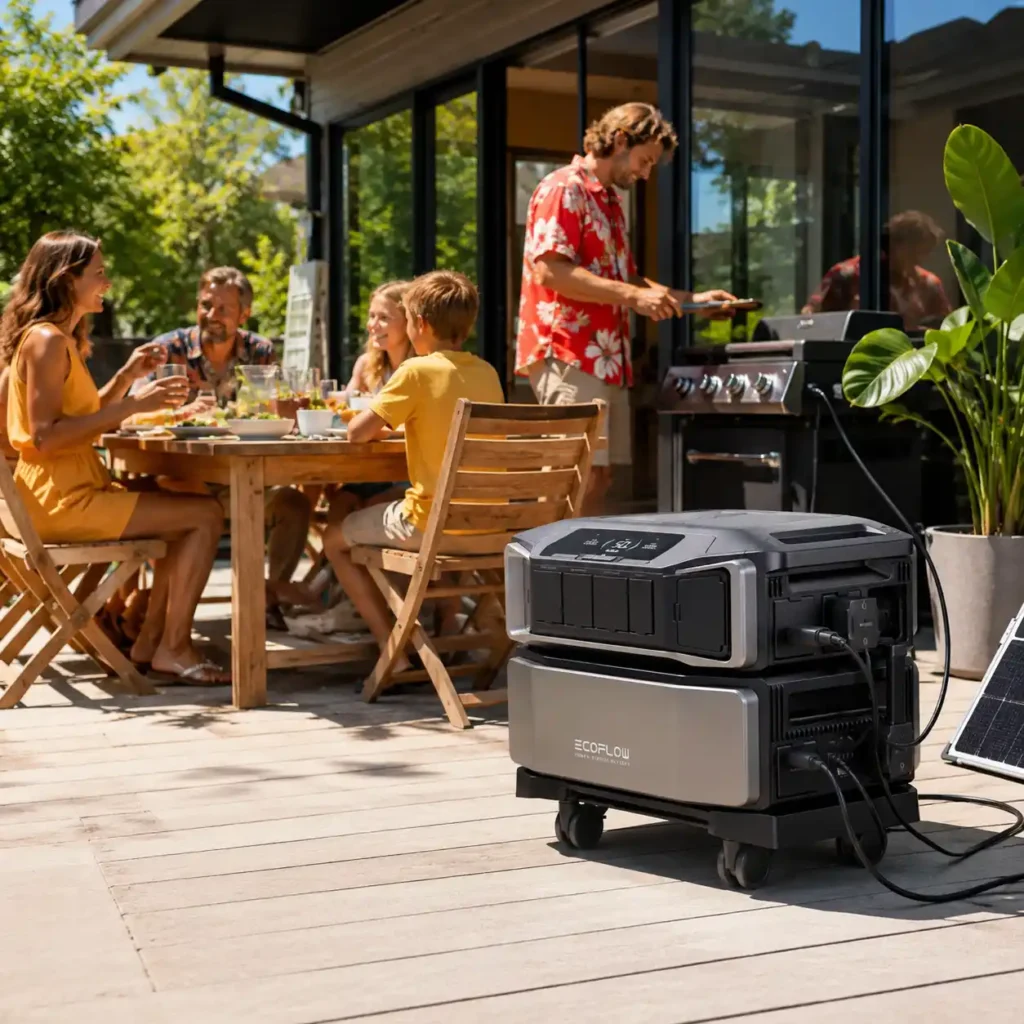
Living With It Every Day
For many homeowners, the greatest benefit of the EcoFlow DELTA Pro Ultra isn’t what happens during a blackout—it’s how the system improves everyday energy management throughout the year. By storing electricity when production is high or utility rates are lower, homeowners gain greater control over household energy usage while reducing dependence on the electrical grid. Instead of sitting idle until an emergency occurs, the system actively supports a smarter and more efficient residential energy strategy every day.
Imagine a severe storm causing a neighborhood-wide blackout. While nearby homes lose lighting, refrigeration, internet access, and other essential services, the DELTA Pro Ultra keeps critical household circuits running. Refrigerators continue preserving food, Wi-Fi remains connected, lights stay on, and home office equipment keeps working without the noise, fuel, or maintenance associated with traditional gas generators.
Beyond emergency backup, the system also supports everyday energy management. Homeowners can store solar energy during the day, optimize electricity usage during peak utility rates, and gradually expand battery capacity as household energy requirements increase. Rather than replacing the system in a few years, additional battery modules can be added to match changing lifestyles and future energy goals.
This long-term flexibility is what truly distinguishes the DELTA Pro Ultra. Instead of purchasing a fixed-capacity backup solution, homeowners invest in a scalable residential energy platform that continues delivering value long after the initial installation.
EcoFlow DELTA Pro Ultra Evaluation
| Evaluation Category | Editorial Assessment |
|---|---|
| Home Backup Capability | Excellent support for residential backup power with reliable 120V/240V operation. |
| Expandability | One of the most scalable home battery systems currently available. |
| Power Performance | Handles essential household circuits and high-demand appliances with ease when properly configured. |
| Smart Energy Management | Advanced monitoring, automation, and remote management through the EcoFlow app. |
| Long-Term Value | Outstanding combination of expandability, reliability, and future-ready home energy storage. |
| Overall Rating | Our strongest overall recommendation for homeowners seeking a premium home battery backup system. |
Who Should Buy This
- Homeowners looking for a premium home battery backup system with long-term scalability.
- Families preparing for extended power outages and severe weather.
- Homeowners planning to integrate rooftop solar panels.
- Buyers who want a modular energy storage system that can expand over time.
- Anyone seeking premium performance, intelligent energy management, and long-term reliability.
Who Should Skip This
- Buyers who only need backup power for a few small electronic devices.
- Apartment residents without plans for a permanent home energy storage system.
- Homeowners looking for the lowest possible upfront investment.
- Users who primarily need a lightweight portable power station for camping or travel.
Final Verdict
The EcoFlow DELTA Pro Ultra earns our Best Overall Home Battery Backup System award because it successfully combines high-capacity energy storage, exceptional scalability, intelligent energy management, and seamless solar integration into one complete residential energy platform. Rather than functioning as a simple backup battery, it provides homeowners with a comprehensive solution for storing, managing, and optimizing household electricity throughout the year.
Its expandable architecture allows the system to grow alongside your home’s energy requirements, while advanced monitoring tools and intelligent power management simplify everyday operation. Whether your goal is increasing solar self-consumption, reducing reliance on the electrical grid, improving resilience during outages, or building a long-term residential energy ecosystem, the DELTA Pro Ultra delivers one of the most capable and future-ready solutions currently available.
For homeowners seeking more than emergency backup alone, the EcoFlow DELTA Pro Ultra represents a long-term investment in energy independence, smart home energy management, and reliable residential power for years to come.
Check the latest price and customer reviews on Amazon.
Related Guide: If you’re interested in generating renewable energy to recharge a home battery system, our Best Solar Panels for Home Battery Backup (2026) guide explains what to consider when choosing panels for residential energy storage.
EcoFlow DELTA Pro 3
Best Premium Home Battery Backup System

Quick Verdict
The EcoFlow DELTA Pro 3 earns our Best Premium Home Battery Backup System award by delivering an outstanding balance of power, intelligent energy management, and everyday usability in a package that is more accessible than a full-scale whole-home battery platform. It offers premium performance for homeowners who want reliable backup power, fast charging, and seamless solar integration without investing in the largest expandable system on the market.
Designed for both emergency preparedness and daily energy optimization, the DELTA Pro 3 combines a powerful inverter, expandable LiFePO₄ battery capacity, and advanced smart controls to create a flexible residential energy solution. Whether you’re protecting essential household circuits during outages or reducing grid dependence with solar energy, it provides dependable performance across a wide range of home backup scenarios.
What makes the DELTA Pro 3 especially attractive is its versatility. It delivers many of the premium features found in larger residential battery systems while maintaining a more manageable size and investment. For homeowners seeking high-end performance, modern energy management, and long-term flexibility, it represents one of the strongest premium options available today.
Product Snapshot
| Feature | Details |
|---|---|
| Best For | Premium Home Backup • Solar Energy Storage • Smart Energy Management |
| Battery Capacity | 4–48 kWh (Expandable) |
| AC Output | 4,000W (120V/240V) |
| Battery Type | LiFePO₄ |
| Expandability | Up to 48 kWh |
| Solar Charging | Supported |
| App Control | Yes |
| Ideal User | Homeowners seeking premium backup performance, intelligent energy management, and flexible expansion without investing in a full-scale whole-home battery platform. |
Why We Chose It
Not every homeowner needs the largest residential battery system available. Many are looking for a solution that delivers premium performance, reliable backup power, and advanced energy management while remaining practical for everyday use. That is exactly where the EcoFlow DELTA Pro 3 stands out.
Its combination of powerful 120V/240V output, expandable LiFePO₄ battery storage, rapid charging, and seamless solar compatibility makes it an excellent choice for homeowners who want dependable backup without stepping up to the largest modular energy platforms. The system easily supports essential household circuits and many high-demand appliances while offering the flexibility to expand capacity as energy requirements grow.
We also value the overall ownership experience. EcoFlow’s intuitive mobile app, intelligent monitoring, flexible charging options, and mature ecosystem make the DELTA Pro 3 much more than a backup battery. It functions as a complete residential energy management system that helps homeowners improve resilience, reduce dependence on the grid, and prepare for future energy needs.
For buyers looking for premium features, excellent performance, and long-term flexibility in a more approachable package, the EcoFlow DELTA Pro 3 earns its place as our Best Premium Home Battery Backup System.
Check the latest price and customer reviews on Amazon.
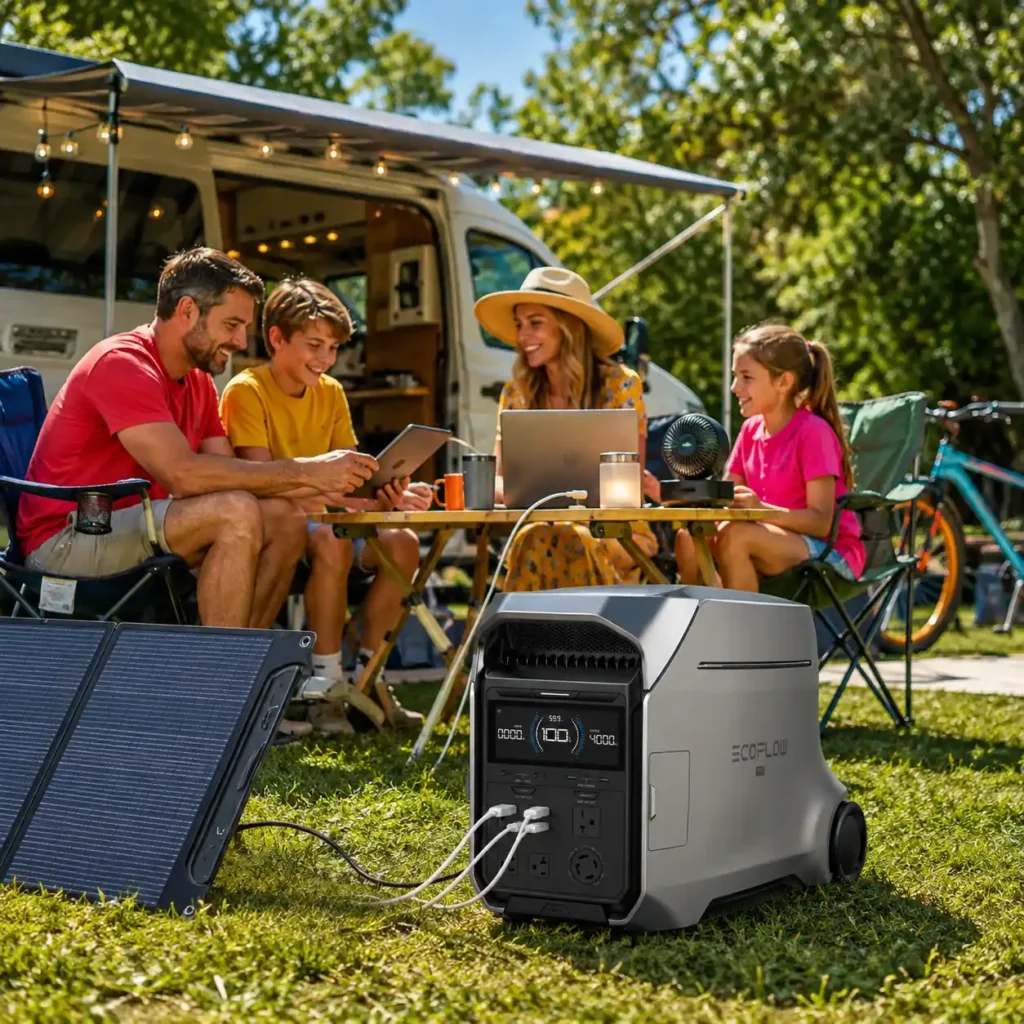
Living With It Every Day
The EcoFlow DELTA Pro 3 is designed for homeowners who want to make energy storage an active part of everyday household electricity management rather than relying on it only during power outages. By storing energy efficiently, integrating seamlessly with rooftop solar systems, and giving homeowners greater control over when and how electricity is used, it helps improve energy independence while supporting a smarter and more resilient home energy strategy. Its refined design and expandable architecture also ensure the system can continue meeting household energy needs well into the future.
Imagine a summer storm causing the power to fail across your neighborhood. While surrounding homes lose lighting, internet access, and refrigeration, the DELTA Pro 3 continues supplying electricity to essential household circuits. Refrigerators stay cold, Wi-Fi remains available for work and communication, and important devices continue operating quietly without the fuel, exhaust, or maintenance required by a traditional gas generator.
On normal days, the system works just as effectively alongside rooftop solar panels, storing excess energy for later use and helping homeowners reduce reliance on the electrical grid. As household energy demands increase, additional battery capacity can be added, allowing the system to grow without replacing the original investment.
This combination of premium performance, intelligent energy management, and future expandability makes the DELTA Pro 3 an excellent choice for homeowners looking to balance everyday efficiency with reliable emergency preparedness.
EcoFlow DELTA Pro 3 Evaluation
| Evaluation Category | Editorial Assessment |
|---|---|
| Home Backup Capability | Excellent performance for essential home backup with dependable 120V/240V output. |
| Expandability | Flexible modular battery system that can grow alongside household energy needs. |
| Power Performance | Delivers ample power for essential circuits and many high-demand household appliances. |
| Smart Energy Management | Advanced monitoring, automation, and remote management through the EcoFlow app. |
| Long-Term Value | Excellent balance of premium features, expandability, and long-term residential performance. |
| Overall Rating | Our top premium recommendation for homeowners seeking advanced home battery backup without investing in the largest energy platform. |
Who Should Buy This
- Homeowners looking for premium home battery backup with intelligent energy management.
- Families wanting dependable backup power for essential household appliances.
- Buyers planning to integrate rooftop solar panels into their home energy system.
- Homeowners seeking expandable battery storage with room for future growth.
- Anyone who values premium performance, fast charging, and long-term flexibility.
Who Should Skip This
- Buyers who only need occasional backup power for a few portable devices.
- Apartment residents without plans for residential battery storage.
- Homeowners looking for the lowest upfront purchase price.
- Users requiring the maximum expandable battery capacity available on the market.
Final Verdict
The EcoFlow DELTA Pro 3 earns our Best Premium Home Battery Backup System award by combining refined engineering, intelligent energy management, and exceptional everyday usability in a versatile residential energy platform. Rather than serving only as a backup solution for occasional outages, it is designed to help homeowners manage, store, and optimize household electricity as part of a modern long-term energy strategy.
Its seamless solar compatibility, advanced monitoring features, and expandable architecture make it an excellent choice for households looking to improve energy independence while maintaining reliable backup protection whenever grid interruptions occur. The system is equally well suited for reducing reliance on utility power, increasing solar self-consumption, and preparing for future energy needs as they evolve.
For homeowners seeking a premium residential energy solution that balances long-term flexibility, smart energy management, and dependable backup capability, the EcoFlow DELTA Pro 3 remains one of the strongest all-around investments available today.
Check the latest price and customer reviews on Amazon.
Related Guide: If you’re looking for a simpler battery-powered option for household emergency backup, our Best Portable Power Stations for Home Backup (2026) guide compares portable systems designed to keep essential devices and appliances running during outages.
Anker SOLIX F3800
Best Value Home Battery Backup System

Quick Verdict
The Anker SOLIX F3800 earns our Best Value Home Battery Backup System award by offering an exceptional combination of power, expandability, and residential backup capabilities at a highly competitive price. It delivers many of the features homeowners expect from premium home battery systems—including 120V/240V output, expandable LiFePO₄ battery storage, and seamless solar compatibility—while providing outstanding overall value for long-term home energy resilience.
Designed for homeowners who want dependable backup power without paying flagship prices, the SOLIX F3800 supports everything from essential household circuits to larger appliances during power outages when properly configured. Its modular design also allows users to expand battery capacity over time, making it a practical investment for households with growing energy demands.
What makes the SOLIX F3800 especially compelling is its balance between affordability and capability. Rather than sacrificing performance to achieve a lower price, Anker has built a mature residential energy platform that combines reliable backup power, intelligent energy management, and future-ready expandability. For homeowners seeking maximum value without compromising on essential features, the SOLIX F3800 stands out as one of the strongest choices available today.
Product Snapshot
| Feature | Details |
|---|---|
| Best For | Value Home Backup • Solar Energy Storage • Expandable Residential Power |
| Battery Capacity | 3.84–53.8 kWh (Expandable) |
| AC Output | 6,000W (120V/240V) |
| Battery Type | LiFePO₄ |
| Expandability | Up to 53.8 kWh |
| Solar Charging | Supported |
| App Control | Yes |
| Ideal User | Homeowners looking for a powerful, expandable home battery backup system that delivers excellent value without sacrificing premium features. |
Why We Chose It
Outstanding value is about far more than choosing the lowest-priced system. The best value product combines strong performance, dependable reliability, future expandability, and premium features at a price that makes long-term ownership more accessible. That is exactly why the Anker SOLIX F3800 earned this award.
Its powerful 6,000W inverter, native 120V/240V output, expandable LiFePO₄ battery platform, and seamless solar compatibility allow it to perform well beyond what many homeowners expect in its price category. Whether powering essential household circuits during an outage or supporting larger electrical loads, the system delivers dependable performance across a wide range of residential applications.
We were also impressed by Anker’s growing smart energy ecosystem. The intuitive mobile app, flexible expansion options, and straightforward system management make the SOLIX F3800 easy to operate while providing room for future upgrades as household energy requirements increase.
For homeowners who want premium residential backup performance without paying the highest premium prices, the Anker SOLIX F3800 delivers one of the best overall values in today’s home battery backup market.
Check the latest price and customer reviews on Amazon.
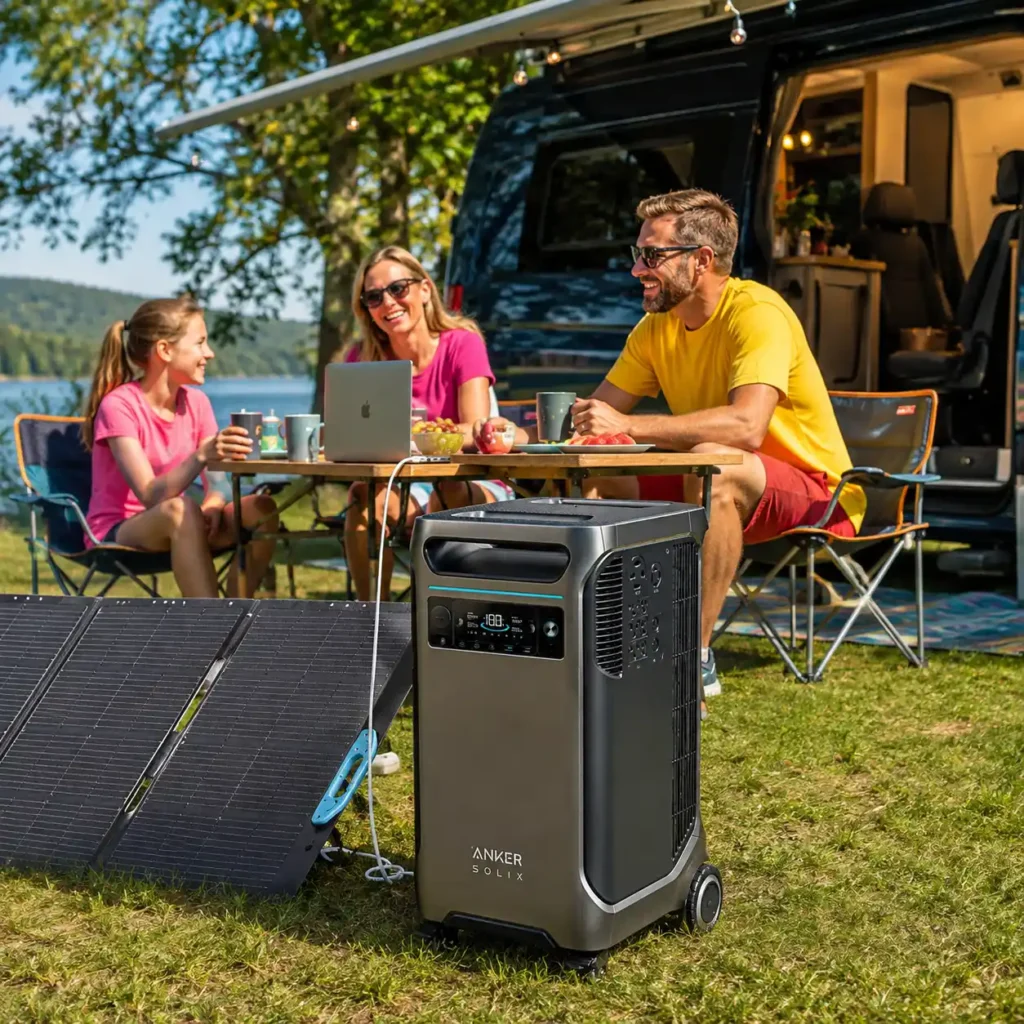
Living With It Every Day
The Anker SOLIX F3800 is designed for homeowners who want a residential energy platform that can evolve alongside their household’s changing electricity needs. Instead of functioning solely as an emergency backup solution, it provides a scalable foundation for everyday energy storage, solar integration, and smarter household energy management. Homeowners can begin with a practical configuration and expand battery capacity over time, creating a flexible system that supports both current requirements and long-term energy independence.
Imagine a prolonged power outage following a severe storm. While neighboring homes are left without refrigeration, lighting, internet access, and climate control, the SOLIX F3800 continues supplying electricity to essential household circuits. Refrigerators keep food fresh, home office equipment stays operational, Wi-Fi remains connected, and important appliances continue running without the noise, fuel storage, or maintenance associated with a conventional gas generator.
During normal operation, the system integrates smoothly with rooftop solar panels, allowing homeowners to store excess solar energy and reduce reliance on the utility grid. As electricity usage increases over the years, additional battery modules can be added without replacing the original system, providing a practical path toward greater energy independence.
This balance of affordability, expandability, and reliable residential performance is what makes the SOLIX F3800 one of the strongest value-focused home battery systems currently available.
Anker SOLIX F3800 Evaluation
| Evaluation Category | Editorial Assessment |
|---|---|
| Home Backup Capability | Excellent support for residential backup with powerful native 120V/240V operation. |
| Expandability | Highly scalable battery platform that adapts easily to growing household energy needs. |
| Power Performance | Strong continuous output capable of supporting essential circuits and demanding home appliances. |
| Smart Energy Management | User-friendly app with comprehensive monitoring, charging control, and system management. |
| Long-Term Value | Outstanding combination of performance, expandability, and affordability for residential backup. |
| Overall Rating | Our best value recommendation for homeowners seeking premium home battery performance at a competitive price. |
Who Should Buy This
- Homeowners looking for the best balance of price and performance.
- Families preparing for extended outages with expandable backup capacity.
- Buyers planning to integrate rooftop solar panels into their home energy system.
- Homeowners who want native 120V/240V output for larger household appliances.
- Anyone seeking long-term value without sacrificing premium features.
Who Should Skip This
- Buyers who only need backup power for a few small electronics.
- Apartment residents without plans for a permanent home battery installation.
- Homeowners looking for the highest possible battery capacity regardless of price.
- Users who need an ultra-light portable power station for travel or camping.
Final Verdict
The Anker SOLIX F3800 earns our Best Expandable Home Battery Backup System award by combining impressive scalability, high continuous power output, and advanced residential energy management into a flexible long-term platform. Rather than serving only as an emergency backup solution, it allows homeowners to build a residential energy system that can grow alongside changing household electricity demands.
Its modular architecture, solar compatibility, and intelligent monitoring features make it an excellent choice for homeowners who plan to expand their energy storage over time instead of replacing their equipment every few years. Whether you’re increasing solar generation, adding battery capacity, or improving overall energy resilience, the F3800 provides the flexibility needed for a modern home energy ecosystem.
For homeowners planning long-term energy independence instead of simply preparing for occasional power outages, the Anker SOLIX F3800 stands out as one of the most scalable and future-ready residential energy platforms available today.
Check the latest price and customer reviews on Amazon.
Related Guide: If you’re evaluating the inverter technology used to deliver stored battery power to household appliances, our Best Power Inverters for Home Backup (2026) guide explains the key features to consider when building a reliable backup system.
BLUETTI Apex 300 + B300K
Best Expandable Home Battery Backup System

Quick Verdict
The BLUETTI Apex 300 + B300K earns our Best Expandable Home Battery Backup System award by offering one of the most flexible and future-ready residential energy storage platforms available today. Built around a modular architecture, it allows homeowners to start with a single battery configuration and expand capacity as their backup power requirements increase, making it an excellent long-term investment for growing households.
Designed for both emergency backup and everyday energy management, the Apex 300 combines powerful AC output, expandable LiFePO₄ battery storage, intelligent energy controls, and seamless solar compatibility. Whether you’re protecting essential household circuits during unexpected outages or building a larger home energy storage system over time, it provides the scalability needed to adapt to changing energy demands.
What makes the Apex 300 especially appealing is its emphasis on long-term flexibility. Rather than locking homeowners into a fixed-capacity solution, BLUETTI has created a modular platform that supports future expansion while maintaining reliable performance, efficient charging, and comprehensive energy management. For homeowners who want a backup system that can continue growing alongside their home, the Apex 300 is one of the strongest expandable solutions available.
Product Snapshot
| Feature | Details |
|---|---|
| Best For | Expandable Home Backup • Solar Energy Storage • Long-Term Scalability |
| Battery Capacity | 5.53 kWh (Expandable) |
| AC Output | 3,840W (120V/240V) |
| Battery Type | LiFePO₄ |
| Expandability | Modular expansion with additional B300K battery modules |
| Solar Charging | Supported |
| App Control | Yes |
| Ideal User | Homeowners seeking a highly expandable home battery backup system with flexible capacity upgrades and reliable long-term residential energy storage. |
Why We Chose It
Many homeowners don’t know exactly how much backup power they’ll need in the future. New appliances, larger solar arrays, electric vehicles, or changing household energy usage can quickly outgrow a fixed-capacity battery system. That’s exactly where the BLUETTI Apex 300 excels.
Its modular design allows homeowners to begin with a practical backup solution and expand battery capacity over time without replacing the original system. Combined with reliable LiFePO₄ battery technology, native 120V/240V output, solar compatibility, and intelligent energy management, it provides a flexible platform that can evolve alongside a home’s changing energy requirements.
We also appreciate BLUETTI’s focus on long-term ownership. The intuitive app, expandable battery ecosystem, and straightforward system management make the Apex 300 suitable for homeowners who want dependable backup today while preserving the flexibility to build a larger residential energy storage system in the future.
For buyers who prioritize scalability above all else, the BLUETTI Apex 300 + B300K earns our recommendation as the Best Expandable Home Battery Backup System.
Check the latest price and customer reviews on Amazon.

Living With It Every Day
The BLUETTI Apex is built for homeowners who want to make residential energy storage part of their everyday lifestyle rather than relying on it only during emergencies. By intelligently storing electricity, integrating with rooftop solar, and helping optimize household energy consumption, it supports a more efficient and resilient home energy strategy throughout the year. Its expandable design also allows the system to grow alongside changing household energy demands without requiring a complete replacement.
Imagine a major storm causing a prolonged power outage across your neighborhood. While surrounding homes lose refrigeration, internet access, lighting, and essential appliances, the Apex 300 continues supplying reliable electricity to critical household circuits. Refrigerators remain operational, communication devices stay charged, home office equipment continues running, and daily routines experience minimal disruption—all without the noise, fuel storage, or maintenance requirements of a traditional gas generator.
During normal operation, the system works seamlessly with rooftop solar panels, allowing homeowners to capture excess solar production and store it for later use. As energy demands increase in the future, additional battery modules can be added without replacing the original system, making the Apex 300 a flexible long-term investment in residential energy independence.
Its combination of modular expansion, dependable performance, and intelligent energy management makes the Apex 300 especially appealing for homeowners who want a backup solution capable of adapting to changing lifestyles and future energy requirements.
BLUETTI Apex 300 + B300K Evaluation
| Evaluation Category | Editorial Assessment |
|---|---|
| Home Backup Capability | Reliable residential backup with native 120V/240V support for essential household circuits and larger appliances. |
| Expandability | One of the most flexible modular battery platforms available for long-term residential energy storage. |
| Power Performance | Strong continuous output suitable for everyday home backup and extended outages. |
| Smart Energy Management | Comprehensive app-based monitoring, charging controls, and intelligent energy management. |
| Long-Term Value | Outstanding scalability and upgrade flexibility for homeowners planning future energy expansion. |
| Overall Rating | Our top recommendation for homeowners who prioritize expandability and long-term residential energy storage. |
Who Should Buy This
- Homeowners planning to expand their home battery system over time.
- Families preparing for extended outages and severe weather.
- Buyers integrating rooftop solar into a growing home energy system.
- Homeowners who value modular battery expansion and long-term flexibility.
- Anyone looking for a future-ready residential energy storage platform.
Who Should Skip This
- Buyers who only need backup power for a few small electronics.
- Apartment residents without plans for a permanent home battery installation.
- Homeowners looking for the lowest possible upfront investment.
- Users who prefer a fixed-capacity battery system with no plans for future expansion.
Final Verdict
The BLUETTI Apex earns our Best Smart Home Energy System award by combining intelligent energy management, flexible battery expansion, and dependable residential energy storage in a highly capable platform. Rather than functioning solely as backup equipment for unexpected outages, it is designed to become an integral part of a modern home’s long-term energy strategy.
Its advanced monitoring capabilities, seamless solar integration, and expandable architecture allow homeowners to optimize daily electricity usage while maintaining reliable backup protection whenever it’s required. As household energy demands evolve, the system can continue growing without requiring a complete replacement, making it a practical investment for long-term residential energy planning.
For homeowners who value intelligent energy management, future scalability, and greater energy independence, the BLUETTI Apex delivers one of the most balanced residential energy storage solutions currently available.
Check the latest price and customer reviews on Amazon.
Related Guide: If you’re planning to recharge your battery system with solar power, our Best Solar Charge Controllers (2026) guide explains how charge controllers help manage solar energy before it reaches the battery bank.
Jackery HomePower 3600 Plus
Best Home Battery Backup System for Growing Energy Needs

Quick Verdict
The Jackery HomePower 3600 Plus earns our Best Home Battery Backup System for Growing Energy Needs award by combining dependable residential backup power, expandable battery storage, and user-friendly energy management in a system designed to evolve alongside modern households. It offers an excellent balance of performance, scalability, and ease of use for homeowners who want reliable backup today while preparing for higher energy demands in the future.
Built around long-lasting LiFePO₄ battery technology, the HomePower 3600 Plus delivers dependable backup for essential household circuits during power outages while supporting solar integration and modular battery expansion. Whether you’re protecting your home from unexpected blackouts or gradually building a more capable residential energy storage system, it provides the flexibility needed to adapt as your lifestyle changes.
What makes the HomePower 3600 Plus particularly appealing is its long-term practicality. Instead of requiring homeowners to invest in the largest battery system from day one, it allows them to start with a capable foundation and expand capacity over time. For families expecting increased electricity consumption from home offices, additional appliances, or future renewable energy upgrades, it represents one of the smartest long-term investments in today’s home battery market.
Product Snapshot
| Feature | Details |
|---|---|
| Best For | Growing Energy Needs • Residential Backup • Solar Integration |
| Battery Capacity | 3.6–28.8 kWh (Expandable) |
| AC Output | 3,600W (Expandable 120V/240V System) |
| Battery Type | LiFePO₄ |
| Expandability | Up to 28.8 kWh |
| Solar Charging | Supported |
| App Control | Yes |
| Ideal User | Homeowners seeking a scalable home battery backup system that can expand alongside future household energy needs. |
Why We Chose It
Many homeowners don’t know exactly how their electricity usage will change over the next five or ten years. New appliances, larger families, home offices, rooftop solar installations, or electric vehicles can significantly increase household energy consumption. That’s exactly why the Jackery HomePower 3600 Plus earned this category.
Its modular architecture allows homeowners to begin with a practical residential backup solution and expand battery capacity as their energy requirements grow. Combined with dependable LiFePO₄ battery technology, solar compatibility, intelligent energy management, and straightforward operation, it provides an excellent balance between today’s backup needs and tomorrow’s energy demands.
We also appreciate Jackery’s focus on simplicity. The intuitive mobile app, flexible expansion options, and reliable everyday performance make the HomePower 3600 Plus approachable for homeowners who may be purchasing their first residential battery system while still offering the scalability expected from a premium energy platform.
For homeowners planning ahead rather than simply preparing for the next outage, the Jackery HomePower 3600 Plus earns our recommendation as the Best Home Battery Backup System for Growing Energy Needs.
Check the latest price and customer reviews on Amazon.
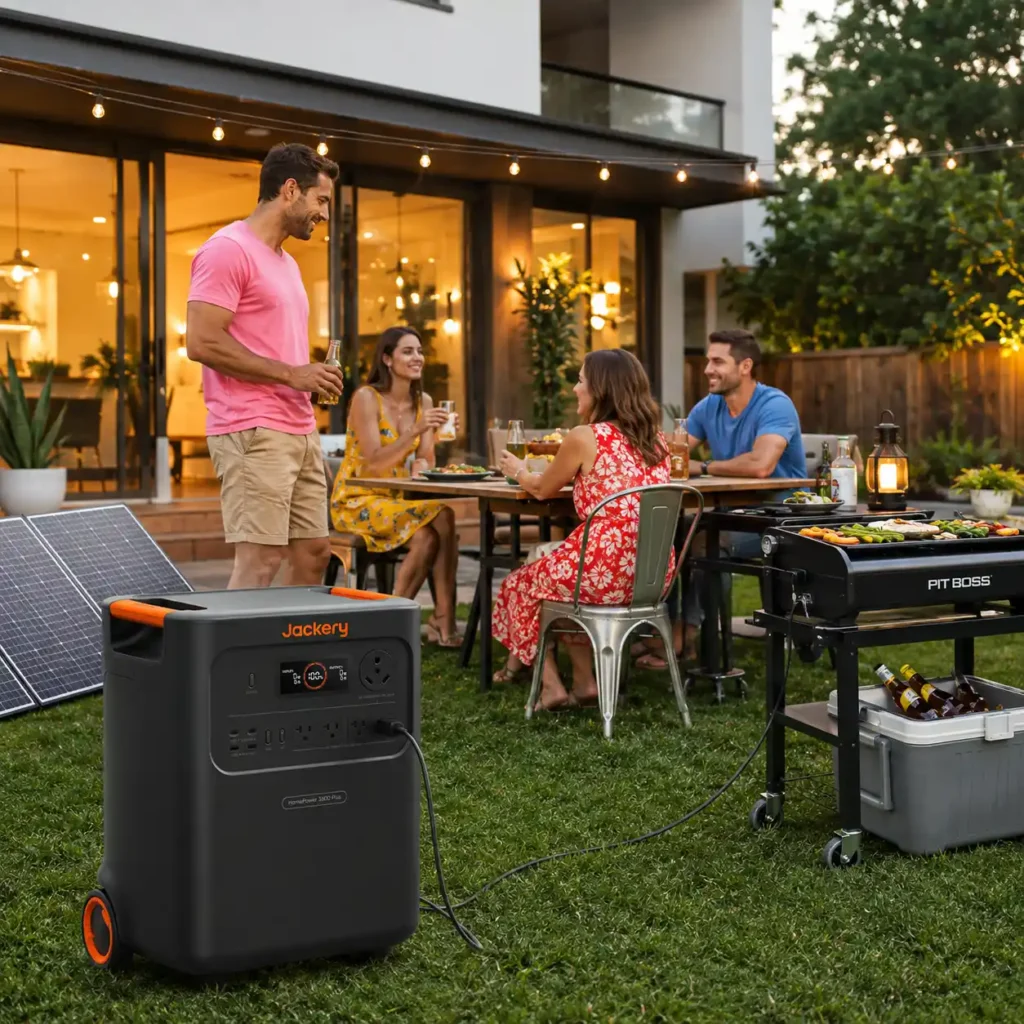
Living With It Every Day
The Jackery HomePower is designed for homeowners who want a straightforward residential energy solution that delivers value beyond emergency backup alone. By combining dependable battery storage, intuitive energy management, and compatibility with modern solar installations, it helps households make better use of their electricity every day while remaining prepared for unexpected grid interruptions. Its simple, practical design makes it especially appealing for families taking their first step toward greater energy independence.
Imagine a severe storm causing an extended power outage across your neighborhood. While nearby homes lose refrigeration, internet access, lighting, and the ability to charge essential devices, the HomePower 3600 Plus continues supplying dependable electricity to critical household circuits. Refrigerators keep running, Wi-Fi stays connected, home office equipment remains operational, and daily routines continue with minimal interruption—all without the noise, fuel, or maintenance associated with traditional gas generators.
On normal days, the system works seamlessly alongside rooftop solar panels, storing excess solar production for later use and helping homeowners reduce dependence on the utility grid. As electricity consumption increases over the years through new appliances, home renovations, or future electric vehicle charging, additional battery modules can be added without replacing the original system.
This ability to grow alongside changing household requirements is what makes the HomePower 3600 Plus stand out. Rather than purchasing a battery sized only for today’s needs, homeowners invest in a flexible residential energy platform designed to remain useful for many years.
Jackery HomePower 3600 Plus Evaluation
| Evaluation Category | Editorial Assessment |
|---|---|
| Home Backup Capability | Reliable residential backup for essential household circuits with flexible expansion options. |
| Expandability | Excellent modular battery system designed to grow with increasing household energy demands. |
| Power Performance | Delivers dependable continuous output for everyday home backup and emergency preparedness. |
| Smart Energy Management | Intuitive mobile app with convenient monitoring, charging controls, and system management. |
| Long-Term Value | Outstanding flexibility for homeowners planning future solar integration and battery expansion. |
| Overall Rating | Our top recommendation for homeowners whose energy requirements are expected to grow over time. |
Who Should Buy This
- Homeowners expecting their household energy consumption to increase over time.
- Families preparing for extended outages with expandable battery storage.
- Buyers planning to install rooftop solar panels in the future.
- Homeowners who value long-term flexibility over buying the largest system immediately.
- Anyone looking for a scalable residential energy storage solution with dependable everyday performance.
Who Should Skip This
- Buyers who only need backup power for a few small electronic devices.
- Apartment residents without plans for permanent home battery installation.
- Homeowners looking for the lowest possible upfront purchase price.
- Users who require the highest-capacity residential battery platform available from day one.
Final Verdict
The Jackery HomePower earns our Best Value Home Battery Backup System award by delivering an excellent balance of residential energy storage, ease of use, and dependable long-term performance. Designed for homeowners who want a straightforward solution without unnecessary complexity, it combines reliable backup capability with intelligent energy management in a user-friendly platform.
Its simple installation process, compatibility with residential solar systems, and intuitive monitoring features make it an attractive choice for households looking to improve everyday energy resilience while keeping future expansion options open. Rather than serving only as emergency backup equipment, the system is well suited for homeowners seeking a practical and efficient way to manage household energy over the long term.
For families looking to strengthen their home’s energy independence without investing in an overly complex system, the Jackery HomePower offers one of the strongest combinations of value, reliability, and everyday usability available today.
Check the latest price and customer reviews on Amazon.
Related Guide: If you want to estimate how much electricity your household actually uses before expanding your battery capacity, our How to Calculate Power Consumption (Complete Guide + Free Calculator) guide provides a practical way to calculate electrical loads and energy requirements.
How to Choose the Best Home Battery Backup System
Choosing the best home battery backup system isn’t simply about buying the model with the largest battery or the highest power output. The right solution depends on your household’s energy requirements, which appliances you want to keep running during an outage, how long outages typically last in your area, and whether you expect your energy needs to grow over time.
Many homeowners assume that purchasing the biggest system automatically provides the best protection. In reality, an oversized battery system often increases the upfront investment without delivering meaningful benefits for everyday backup situations. On the other hand, choosing a system that’s too small may leave essential appliances without power when you need them most.
The goal is to select a home battery backup system that matches the way your household actually uses electricity. Whether you want to keep a few critical devices operating during short outages or maintain a comfortable home through extended blackouts, understanding the most important specifications will help you make a smarter long-term investment.
The sections below explain the key factors to evaluate before choosing your first—or next—home battery backup system. Every recommendation is based on practical residential backup scenarios rather than marketing claims or specification sheets alone.
One principle applies to almost every homeowner: don’t buy the biggest battery system—buy the system that fits your home’s real energy needs. A properly matched solution delivers dependable backup, better long-term value, and the flexibility to grow without paying for unnecessary capacity.
Start With Your Home's Essential Power Needs
The first question isn’t, “Which home battery backup system has the biggest battery?” It’s “What does my home actually need to keep running during a power outage?”
Every household uses electricity differently, and your backup system should reflect those real-world priorities rather than the largest specifications listed on a product page.
Imagine a severe storm causes the power to go out for several hours.
One homeowner wants to keep only the refrigerator, internet router, lighting, and a few outlets operating until electricity returns. Another expects the backup system to support kitchen appliances, home office equipment, medical devices, and additional household circuits throughout an extended outage.
Both homeowners need reliable backup power—but they don’t necessarily need the same battery system.
That’s why identifying your essential electrical loads is the most important step before comparing battery capacity or inverter output. A backup system that closely matches your household’s everyday energy requirements will usually provide better long-term value than simply choosing the largest model available.
Many modern home battery backup systems are also designed to expand over time. Rather than purchasing maximum battery capacity from the beginning, homeowners can often start with a system that comfortably supports today’s essential appliances and add additional battery modules later as energy needs increase.
Before comparing specifications, make a list of the appliances and circuits you consider essential during a power outage. That simple exercise will make every other buying decision significantly easier and help you choose a backup system that truly fits your home.
Whole-Home Backup vs. Essential Circuit Backup
One of the biggest decisions homeowners face isn’t choosing a specific battery system—it’s deciding how much of the home they actually want to keep powered during an outage.
For some households, maintaining a few essential circuits is more than enough. Others prefer a backup solution capable of supporting nearly the entire home so daily life can continue with minimal disruption.
Neither approach is universally better.
The right choice depends on your home’s electrical demands, your budget, and the level of comfort you expect when utility power isn’t available.
Essential circuit backup focuses on powering only the appliances and circuits that matter most during an outage. This often includes refrigerators and freezers, lighting, internet equipment, security systems, medical devices, and a limited number of electrical outlets. Because fewer loads require power, homeowners can often achieve dependable backup with a smaller and more affordable battery system.
Whole-home backup, on the other hand, is designed to keep a much larger portion of the house operational. Depending on the system size and installation, it may support kitchen appliances, HVAC equipment, laundry appliances, well pumps, home offices, and many other everyday electrical loads. The experience feels much closer to normal household living because fewer compromises are required during extended outages.
For many homeowners, the ideal solution falls somewhere between these two approaches. A properly sized home battery backup system can prioritize today’s critical household loads while providing the flexibility to expand battery capacity in the future if energy requirements increase.
Rather than asking whether you need the largest battery system available, start by deciding which parts of your home you want to function normally when grid power isn’t available. That answer will guide nearly every other purchasing decision.
How Much Power Output Do You Really Need?
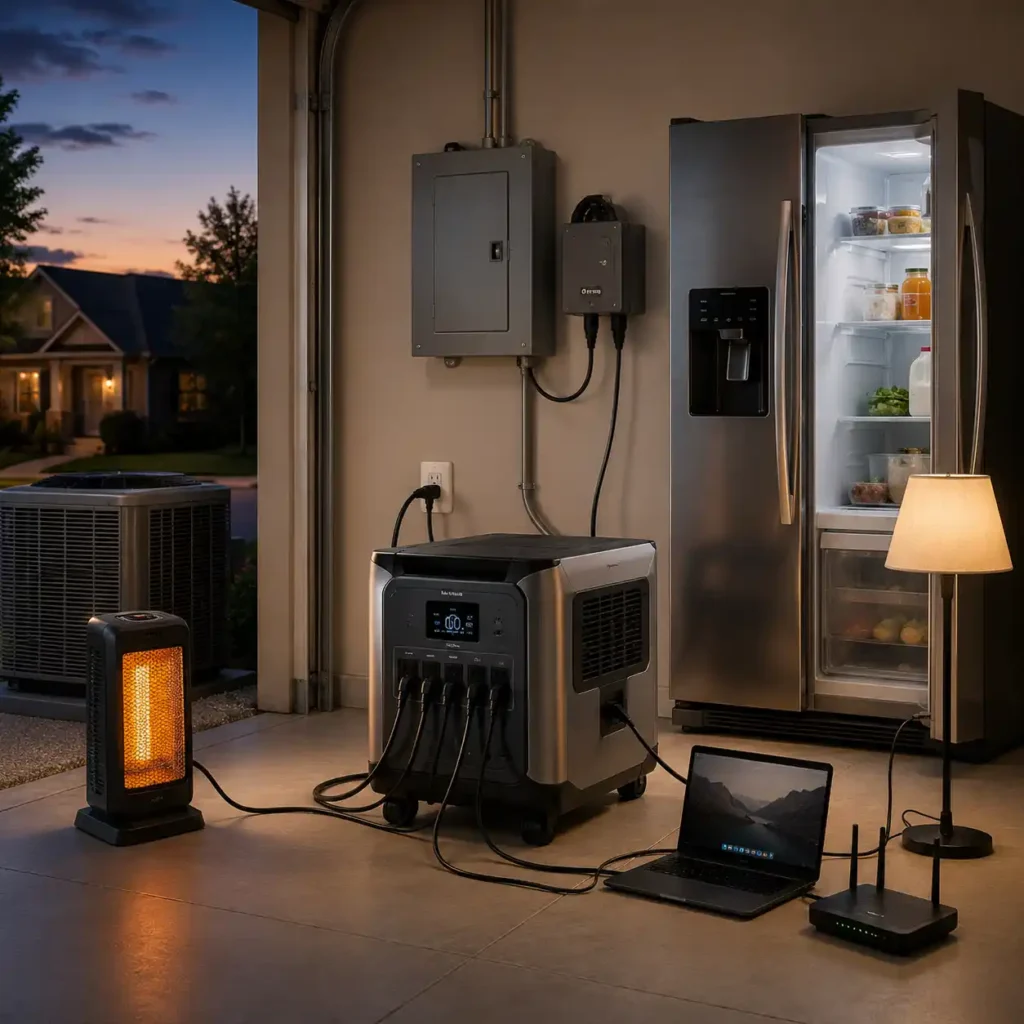
Homeowner reviewing household appliances and planning home battery backup power requirements in a modern residence.
Battery capacity determines how long your backup system can provide electricity. Power output determines what it can actually run. Understanding the difference between these two specifications is one of the most important steps when choosing a home battery backup system.
One of the most common misconceptions among first-time buyers is assuming that a higher wattage rating automatically makes one battery system better than another.
For most homeowners, that’s simply not true.
The best home battery backup system isn’t the one with the highest advertised output—it’s the one that reliably powers the appliances and household circuits you actually depend on during an outage.
Continuous AC output, measured in watts, represents the amount of power the system can deliver continuously without interruption. This is the specification you should compare with the combined electrical demand of the appliances you expect to operate at the same time. Refrigerators, lighting, networking equipment, medical devices, microwaves, sump pumps, and HVAC systems all place different demands on a backup battery.
Surge power is equally important. Many appliances require significantly more electricity for a brief moment when they first start than they do during normal operation. Refrigerators, freezers, air conditioners, well pumps, and other motor-driven equipment are common examples. A backup system with sufficient surge capability can handle these temporary startup loads while continuing to operate normally once the appliance reaches its regular power consumption.
Instead of focusing on the highest power rating you can afford, think about which appliances are most likely to operate simultaneously during an outage. A properly matched system delivers dependable performance without unnecessary overspending on capacity that your household may never actually use.
For most homeowners, balancing continuous output, surge capability, battery capacity, and realistic household energy requirements leads to a much smarter purchasing decision than simply comparing the biggest numbers listed on product specification sheets.
Battery Chemistry: Why LiFePO₄ Is Worth It
Not all home battery backup systems use the same battery technology, and the chemistry you choose has a significant impact on long-term reliability, safety, and overall ownership costs. Today, LiFePO₄ (Lithium Iron Phosphate) has become the preferred battery technology for premium residential backup systems because it offers an outstanding combination of durability, thermal stability, and long service life.
For most homeowners, a home battery backup system is a long-term investment rather than a product they’ll replace after a few years. It’s expected to provide dependable emergency power through countless outages while supporting future energy upgrades such as rooftop solar or additional battery storage. Choosing a battery designed for years of reliable performance simply makes better financial sense.
Compared with older lithium battery chemistries, LiFePO₄ batteries are engineered to withstand thousands of charging and discharging cycles while maintaining a high percentage of their original capacity. For homeowners who regularly use battery storage or experience seasonal outages, this longer lifespan can provide meaningful value over many years of ownership.
LiFePO₄ batteries are also widely recognized for their excellent thermal stability. Home battery systems often remain installed for many years, operating through changing weather conditions and seasonal temperatures. A battery chemistry known for consistent performance and enhanced safety is an important advantage for long-term residential energy storage.
Another reason LiFePO₄ has become the industry standard is its balance between performance and longevity. While other battery chemistries remain available, today’s leading home battery backup systems increasingly rely on LiFePO₄ because it delivers the durability, reliability, and cycle life homeowners expect from a premium backup solution.
That’s no coincidence. Every system featured in this guide uses LiFePO₄ battery technology, reflecting the direction of today’s residential energy storage market. Although these systems may cost more upfront than products using older battery chemistries, their extended lifespan, dependable performance, and lower long-term replacement costs often make LiFePO₄ the smarter investment.
Solar Charging and Home Solar Integration
One of the biggest advantages of today’s home battery backup systems is their ability to work alongside residential solar panels. While backup power is the primary reason many homeowners invest in battery storage, solar compatibility can significantly increase long-term value by providing an additional energy source during extended outages and reducing dependence on the electrical grid.
However, not every battery system offers the same level of solar integration. Maximum solar input, charging efficiency, supported voltage ranges, and expansion capabilities can vary considerably between models. Two systems with similar battery capacities may perform very differently when connected to the same solar array.
For homeowners who experience only occasional short-term outages, solar charging may simply be an added convenience. A fully charged battery is often enough to keep essential appliances running until grid power returns. In these situations, backup reliability is usually more important than maximizing daily solar production.
For households in regions that experience frequent outages, severe weather, or extended interruptions to utility service, solar integration becomes much more valuable. Instead of relying solely on stored battery energy, homeowners can continue recharging their backup system during daylight hours, helping extend available runtime and improve overall household resilience.
It’s also important to remember that solar performance depends on real-world conditions. Weather, roof orientation, seasonal sunlight, shading, and panel placement all influence how much electricity a solar array can generate throughout the day. Because of these variables, homeowners should view solar charging as a way to continuously replenish battery reserves rather than expecting maximum production under all conditions.
When comparing home battery backup systems, don’t stop at the statement that a model is “solar compatible.” Pay close attention to its maximum solar input, supported PV voltage range, charging capabilities, and battery expansion options. These specifications provide a much clearer picture of how effectively the system can support your home’s long-term energy strategy.
Charging Speed Matters More Than Most Homeowners Think
Modern home with a home battery backup system recharging quickly while keeping essential household appliances powered during a utility outage.
Battery capacity determines how long your home can remain powered during an outage. Charging speed determines how quickly your backup system is ready for the next one. While many homeowners focus primarily on battery size, recharge performance can have just as much impact on the overall ownership experience.
Think about what often happens after a major storm.
Power may return for only a few hours before another outage occurs. A battery system capable of recharging quickly during that window can restore a significant portion of its battery capacity, giving your household greater resilience if the electrical grid becomes unstable again.
Fast AC charging also provides everyday convenience. After using your backup system during an outage or routine testing, you won’t have to wait an entire day before the batteries are ready to protect your home again. The shorter the recharge time, the sooner your system returns to full emergency readiness.
Charging speed becomes even more valuable for homeowners who combine battery storage with rooftop solar. During periods of favorable weather, a system that efficiently accepts incoming solar energy can replenish its batteries more effectively, helping maximize available backup capacity throughout extended outages.
That said, charging speed should never be evaluated on its own. The best home battery backup system balances rapid recharging with battery longevity, dependable power delivery, intelligent energy management, and the right battery capacity for your household. Looking at recharge performance alongside these factors will lead to a much better long-term investment than simply choosing the fastest charging specification available.
Expandable Battery Systems
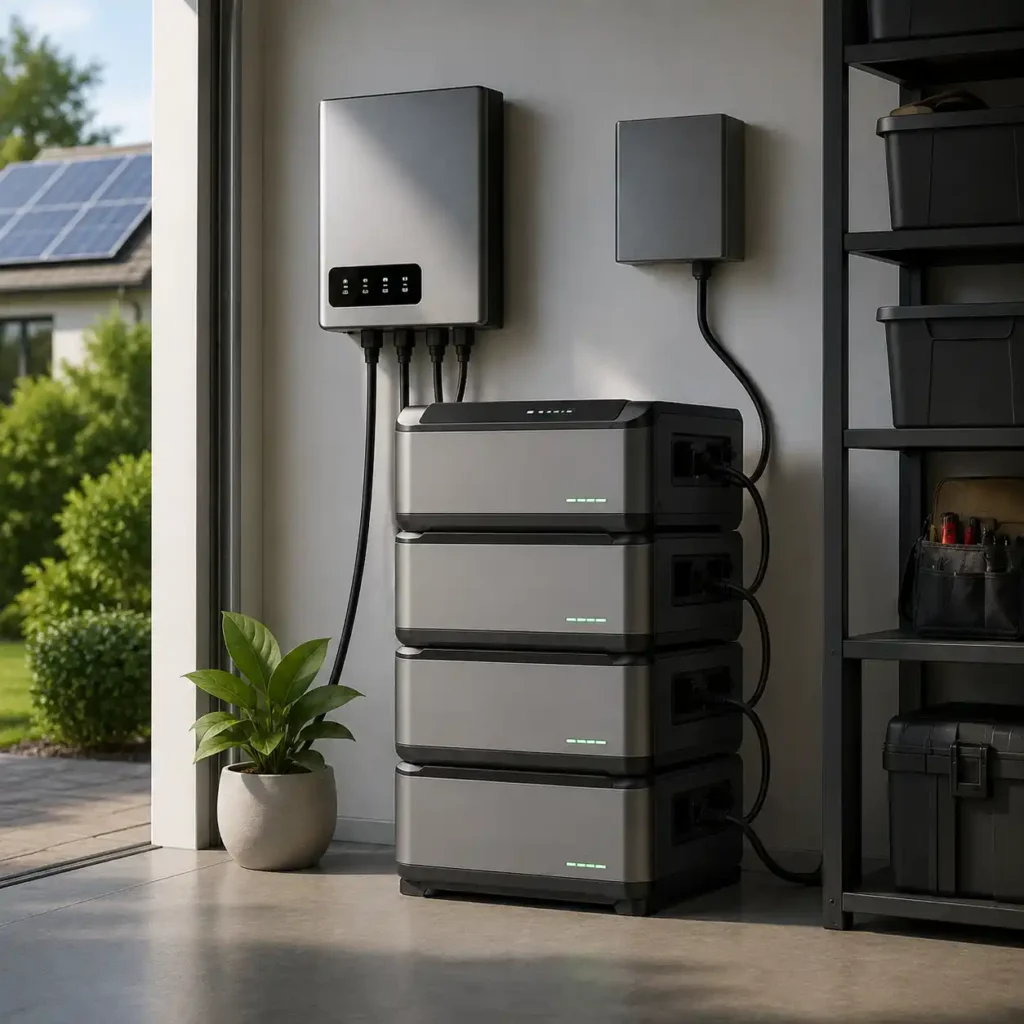
One of the biggest advances in residential energy storage over the past few years has been the widespread adoption of expandable battery systems. Instead of requiring homeowners to purchase the largest configuration from the beginning, many modern home battery backup systems now allow additional battery modules to be added as household energy requirements grow.
For many homeowners, this flexibility changes the way they approach backup planning. Rather than investing in maximum capacity on day one, they can start with a battery system that comfortably supports today’s essential loads and expand it later if their energy needs change.
This approach is particularly valuable because few households remain exactly the same over time. A family may install central air conditioning, purchase an electric vehicle, add a dedicated home office, upgrade to more electric appliances, or expand a rooftop solar array. Each of these changes can increase electricity consumption, making additional battery capacity more valuable in the future than it is today.
Expandable systems also provide greater financial flexibility. Instead of making a large upfront investment, homeowners can spread the cost of expanding their backup system over several years while continuing to use the same core platform. This often creates a more practical long-term ownership experience than replacing an undersized battery system later.
That said, expansion isn’t necessary for every household. If your energy requirements are stable and you don’t expect significant changes over the coming years, a fixed-capacity battery system may provide everything you need without additional complexity.
The key is to think beyond your next power outage. Choosing a home battery backup system that can adapt to your home’s future energy needs often provides greater long-term value than simply purchasing the largest battery available today.
Smart Energy Management and App Control
Modern home battery backup systems do much more than simply store electricity. Many have evolved into intelligent energy management platforms that allow homeowners to monitor power consumption, control charging schedules, track battery status, and manage their backup system from virtually anywhere.
A well-designed mobile app can significantly improve the overall ownership experience. Instead of checking the system manually, homeowners can view battery levels, monitor solar production, receive outage notifications, and adjust operating modes directly from a smartphone or tablet.
Smart energy management also helps maximize battery efficiency. Many systems allow users to prioritize essential household loads, schedule charging during off-peak electricity rates, or optimize battery usage when paired with rooftop solar panels. These features can improve both emergency preparedness and everyday energy management without requiring constant user intervention.
Remote monitoring becomes especially valuable when you’re away from home. Whether you’re traveling or simply at work during a power outage, the ability to check system status and receive real-time alerts provides additional peace of mind that critical household circuits remain protected.
Not every homeowner will use every smart feature available, but an intuitive monitoring platform often makes a noticeable difference over years of ownership. When comparing home battery backup systems, look beyond battery specifications and inverter ratings. A reliable app, clear system monitoring, and intelligent energy management can make everyday operation considerably more convenient while helping you get the most from your investment.
Features You Can Ignore
When shopping for a home battery backup system, it’s easy to become distracted by long specification lists and impressive marketing claims. While some features genuinely improve long-term reliability and everyday usability, others have very little impact on how the system performs during a real power outage.
Manufacturers naturally highlight the biggest numbers and longest feature lists because they help products stand out in comparison charts. Experienced homeowners, however, evaluate battery systems very differently. They care about whether the system delivers reliable backup power, integrates smoothly with their home’s electrical setup, operates efficiently, and continues performing consistently year after year.
For example, an extremely high surge rating may sound impressive, but it offers little practical benefit if your household will never approach that level of demand. Likewise, purchasing significantly more battery capacity than your home is likely to use during a typical outage often increases both purchase price and installation costs without providing meaningful everyday value.
Some systems also advertise numerous operating modes or advanced software features that many homeowners may never actually use. While extensive customization can benefit certain users, most households simply want a battery backup system that is dependable, intuitive, and easy to monitor.
Instead of focusing on the longest feature list, prioritize the fundamentals that have the greatest impact on real-world performance: adequate continuous output, dependable LiFePO₄ battery technology, appropriate battery capacity, solar compatibility if needed, expansion options for future growth, and a well-designed energy management platform.
The best home battery backup system isn’t necessarily the one with the most specifications—it’s the one that reliably protects your home whenever utility power isn’t available.
Common Buying Mistakes

Homeowner comparing home battery backup systems while reviewing household energy needs before making a purchase decision.
Almost every homeowner who invests in battery backup wants the same outcome: dependable electricity when the grid goes down. Surprisingly, most disappointing purchases aren’t caused by choosing a poor-quality product—they happen because the system doesn’t match the home’s actual energy requirements.
One of the most common mistakes is buying far more battery capacity than the household is likely to use. While a larger system certainly provides longer runtime, it also increases the initial investment. Many homeowners discover that much of their available battery capacity remains unused because they only power essential appliances during most outages.
The opposite mistake is selecting a battery system that only meets today’s requirements without considering tomorrow’s needs. A home may later add rooftop solar, an electric vehicle, additional kitchen appliances, a home office, or electric heating. Choosing a backup platform with no room for expansion can result in replacing the entire system much sooner than expected.
Another frequent oversight is focusing only on battery capacity while overlooking inverter performance and continuous AC output. A large battery provides little benefit if the system cannot simultaneously power the appliances your family actually depends on during an outage.
Many buyers also compare products using only headline specifications. Battery capacity and power output are certainly important, but they’re only part of the overall ownership experience. Long-term reliability, LiFePO₄ battery technology, charging performance, expansion options, smart energy management, warranty coverage, and the manufacturer’s ecosystem all deserve equal consideration before making a final decision.
Finally, some homeowners assume every battery backup system is designed to power an entire house without interruption. In reality, the best solution depends on your expectations. For some households, maintaining only critical appliances is the most practical and cost-effective approach. Others may benefit from a larger expandable system capable of supporting a much broader range of household loads.
The best purchasing decisions begin with understanding how your home uses electricity—not by simply choosing the biggest numbers on a specification sheet.
Quick Buyer Checklist
Before choosing a home battery backup system, take a few minutes to verify that it matches your household’s real energy requirements—not simply the largest specifications on the product page.
A well-chosen residential backup system should meet most of the following criteria:
- It provides enough battery capacity for the appliances you consider essential during an outage.
- Its continuous AC output is sufficient to power your expected household loads simultaneously.
- It uses long-lasting LiFePO₄ battery technology for improved durability and safety.
- It supports future battery expansion if your family’s energy needs increase.
- It integrates with rooftop solar if renewable energy is part of your long-term plan.
- It includes reliable smart monitoring and energy management features.
- The manufacturer has a strong reputation for product reliability, software support, and warranty coverage.
- The overall system fits both your current budget and your long-term energy strategy.
If you can confidently answer “yes” to most of these points, you’re far more likely to choose a home battery backup system that will continue meeting your household’s needs for many years.
Matching a Backup System to Your Home
There isn’t a single home battery backup system that’s perfect for every homeowner. The best choice depends on your household’s electrical demands, the appliances you consider essential, how long outages typically last in your area, and whether you expect your energy needs to grow over time.
If your primary goal is protecting a handful of critical appliances—such as the refrigerator, lighting, internet equipment, and a few electrical outlets—a compact battery system with moderate storage capacity may provide everything you need while keeping costs under control.
Homes that regularly experience severe weather or prolonged outages often benefit from larger battery systems capable of supporting additional appliances, including HVAC equipment, sump pumps, kitchen appliances, home offices, or well pumps. These systems provide greater flexibility and reduce the number of compromises your household has to make when utility power is unavailable.
For homeowners planning long-term energy independence, an expandable battery platform is often the smartest investment. A modular system allows you to begin with capacity that matches your current household while providing the option to add additional battery storage later as electricity consumption increases or new electrical loads are introduced.
It’s also worth thinking beyond emergency preparedness. Many modern home battery backup systems integrate with rooftop solar installations, support intelligent energy management, and help improve overall household resilience. Choosing a system that fits both your current lifestyle and your future plans often delivers greater long-term value than simply selecting the largest battery available today.
Ultimately, the best home battery backup system is the one that fits naturally into the way your household uses electricity. When your backup solution matches your family’s real energy priorities, it becomes a dependable part of everyday preparedness rather than simply another piece of emergency equipment.
Our Expert Buying Tips
After evaluating today’s leading home battery backup systems, one recommendation stands out above all others: buy for the home you have today while planning for the home you’ll have tomorrow.
That single decision influences almost every aspect of long-term ownership—from your initial investment and installation costs to future expansion options and overall satisfaction years down the road.
It’s easy to assume that purchasing the largest battery system available is the safest choice. In reality, many homeowners achieve better results by selecting a system that’s properly sized for their essential household loads while leaving room to expand if energy demands increase. This approach often provides the best balance between cost, performance, and long-term flexibility.
Whenever possible, choose a system built around LiFePO₄ battery technology. Its proven durability, long cycle life, and excellent thermal stability make it the preferred choice for residential backup power, especially when you expect the system to protect your home for many years.
If your household is likely to evolve—whether through rooftop solar, an electric vehicle, additional appliances, or changing family needs—consider an expandable battery platform. The ability to increase battery capacity over time can significantly extend the useful life of your investment without requiring a complete system replacement.
Finally, remember that the best home battery backup system isn’t defined by the biggest battery, the highest inverter rating, or the longest specification sheet. It’s the system that keeps your home comfortable, protects the appliances you rely on most, and continues delivering dependable performance every time the grid goes down.
Choose a backup solution that fits your home’s real energy priorities, supports your future plans, and comes from a manufacturer with a strong reputation for reliability and long-term product support. Those factors will have a far greater impact on your ownership experience than any single headline specification.
Real-World Home Battery Runtime Examples
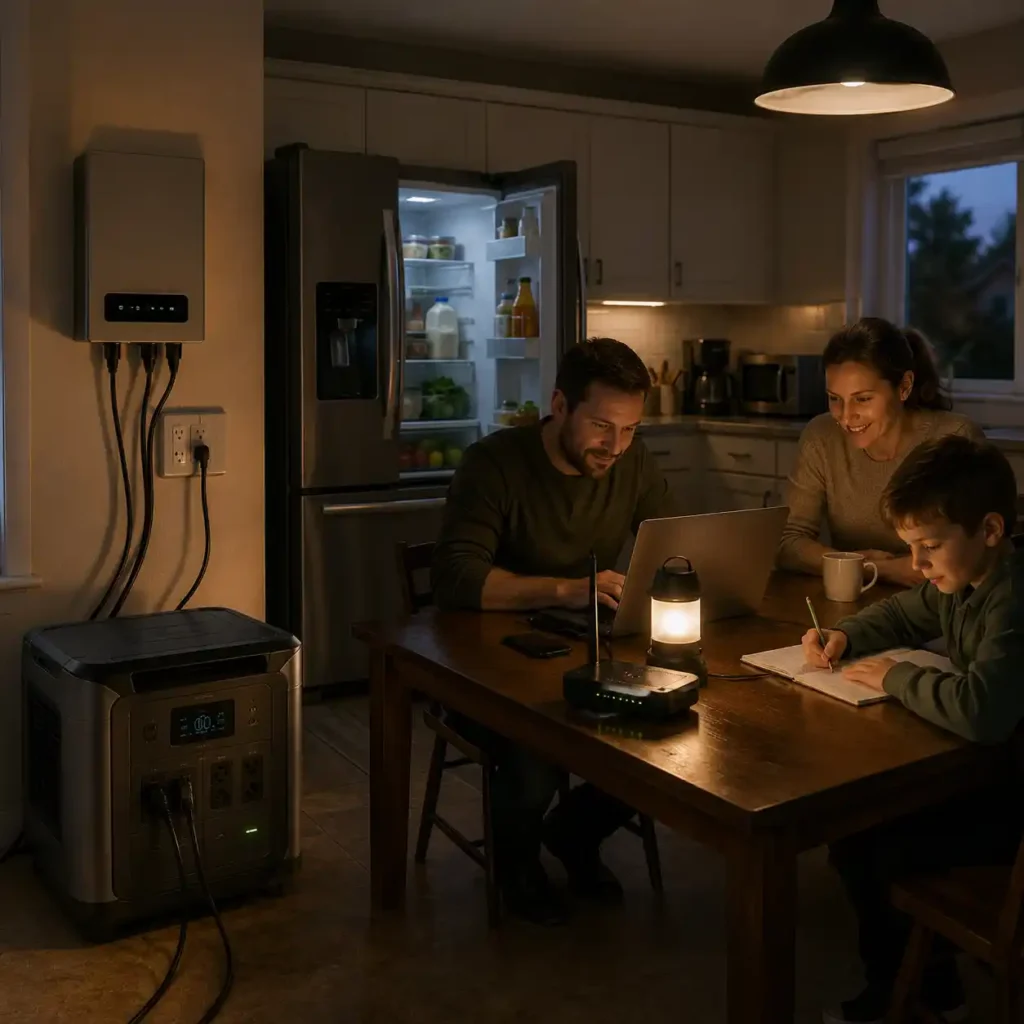
Family relying on a home battery backup system during a nighttime power outage while essential household appliances continue operating normally.
Understanding battery capacity becomes much easier when you translate kilowatt-hours into real household situations. While battery size provides a useful way to compare home battery backup systems, most homeowners simply want to know what their battery can realistically power during an outage.
The examples below illustrate how a 5kWh home battery backup system may perform under typical household conditions. Actual runtime depends on battery efficiency, inverter losses, appliance startup loads, ambient temperature, and the number of devices operating simultaneously. These estimates are intended as practical planning examples rather than exact calculations.
Instead of focusing only on battery capacity, think about the combination of appliances your household is most likely to use during a power outage. Running a refrigerator, internet equipment, lighting, and a few small appliances requires far less energy than powering central air conditioning or several large appliances at the same time.
The table below provides realistic examples to help you estimate your home’s backup requirements before choosing a home battery backup system.
Runtime Examples
| Appliance | Typical Runtime* |
|---|---|
| Refrigerator | 120–200W • 25–35 hrs |
| Wi-Fi Router & Modem | 15–25W • 150–250 hrs |
| LED Lighting | 40–80W • 60–100 hrs |
| CPAP Machine | 30–60W • 70–120 hrs |
| Television | 80–150W • 35–55 hrs |
| Microwave Oven | 1000–1500W • 3–5 hrs |
| Sump Pump | 500–1000W • 5–10 hrs |
| Portable Air Conditioner | 700–1200W • 4–7 hrs |
*Estimated runtimes are based on a typical 5kWh home battery backup system under average operating conditions. Actual performance varies depending on appliance efficiency, inverter losses, startup loads, battery age, and environmental conditions.
Quick Runtime Planning Tips
A home battery backup system can often provide longer real-world runtime than many homeowners expect—but only when energy is managed wisely during an outage.
To maximize available backup time:
- Prioritize essential household circuits before powering comfort appliances.
- Avoid operating multiple high-wattage devices at the same time unless your system is designed for whole-home backup.
- Recharge the battery with rooftop solar whenever weather conditions allow.
- Monitor battery status through the manufacturer’s mobile app to track remaining capacity and energy usage.
- If your household’s electricity demand is likely to increase in the future, choose an expandable battery platform instead of replacing your system later.
Efficient energy management often extends backup runtime far more effectively than simply purchasing the largest battery available. A properly sized system used strategically can keep essential household appliances running comfortably through many common power outages.
How Home Batteries Support Everyday Energy Use
One of the biggest questions homeowners ask before purchasing a home battery backup system is, “What can it actually power?” While battery capacity and inverter output provide useful technical specifications, most buyers simply want to know whether their essential household appliances will continue working when the electricity goes out.
The answer depends on several factors, including the appliance’s power consumption, startup surge requirements, the total battery capacity available, and how many devices operate simultaneously. Fortunately, most modern home battery backup systems are capable of supporting far more than just phones and laptops. When properly sized, they can keep refrigerators running, maintain internet connectivity, power medical equipment, illuminate multiple rooms, and even operate selected kitchen appliances during extended outages.
Understanding which appliances should receive priority is just as important as choosing the battery itself. By focusing first on essential household equipment, homeowners can maximize available runtime while ensuring the devices they rely on most remain operational throughout an outage.
Below are the household appliances most commonly powered by today’s home battery backup systems and why they deserve priority in your emergency backup plan.
Refrigerators and Freezers
For most households, refrigerators and freezers are the highest-priority appliances during a power outage. Even relatively short interruptions can lead to food spoilage, wasted groceries, and unnecessary expense if refrigeration isn’t maintained.
Fortunately, modern home battery backup systems are well suited for this type of load. Most refrigerators consume moderate amounts of electricity during normal operation, although they require a brief surge of additional power when the compressor starts. Choosing a battery system with adequate continuous output and sufficient surge capability ensures reliable operation without placing unnecessary stress on the inverter.
Because refrigerators cycle on and off throughout the day rather than running continuously, their overall energy consumption is often lower than many homeowners expect. This allows a properly sized battery system to keep refrigeration operating for many hours while still reserving capacity for lighting, internet equipment, and other essential household loads.
For families preparing for extended outages, keeping food safely refrigerated is often one of the greatest practical benefits of investing in a home battery backup system. Rather than worrying about losing groceries after every major storm, homeowners gain the confidence that one of the home’s most important appliances will continue operating normally.
Medical Devices and CPAP Machines
For homeowners who rely on medical equipment, a home battery backup system provides far more than convenience—it offers essential peace of mind. During an unexpected power outage, maintaining uninterrupted operation of critical medical devices can be one of the most important reasons to invest in reliable battery backup.
CPAP machines are among the most common examples. Because they typically consume relatively little electricity compared with larger household appliances, many home battery backup systems can power them for extended periods while still reserving energy for lighting, refrigeration, or communication devices. This makes battery backup an effective solution for maintaining overnight therapy even during prolonged outages.
Other low-power medical devices, such as oxygen concentrators, mobility equipment chargers, or home health monitoring systems, may also benefit from battery backup depending on their individual power requirements. Before purchasing a system, it’s important to review the manufacturer’s specifications for both the medical device and the battery system to confirm compatibility and expected runtime.
For households where medical equipment is a top priority, backup planning should always begin with these essential devices before considering comfort appliances or entertainment electronics. Ensuring reliable operation of life-supporting equipment provides a far greater benefit than maximizing the number of non-essential devices connected during an outage.
A properly sized home battery backup system helps families remain prepared for unexpected interruptions while providing confidence that critical medical equipment can continue operating when reliable electricity matters most.
Home Office Equipment and Internet
Reliable internet access has become just as important as electricity for many households. Whether you’re working remotely, attending online classes, managing a business, or simply staying connected with family, losing power often means losing communication at the worst possible time.
Fortunately, networking equipment is among the easiest household loads for a home battery backup system to support. Wi-Fi routers, cable modems, fiber terminals, network switches, and laptop chargers typically consume very little electricity, allowing them to operate for many hours—or even days—on a properly sized battery system.
For remote workers, maintaining internet connectivity during a utility outage can prevent interrupted meetings, missed deadlines, and unnecessary downtime. Even when the rest of the neighborhood loses power, a battery-backed internet connection may continue working if the local internet infrastructure remains operational.
Many homeowners also use their backup system to power desktop computers, monitors, printers, and other office equipment. While these devices consume more electricity than networking hardware alone, they generally remain well within the capabilities of today’s residential battery systems when managed appropriately.
As remote work continues to grow, keeping home office equipment online has become one of the most practical everyday benefits of investing in a home battery backup system. For many families, uninterrupted connectivity is now considered just as essential as refrigeration or household lighting.
Kitchen Appliances
Kitchen appliances can make life much easier during a power outage, but they also place some of the highest demands on a home battery backup system. Understanding which appliances consume the most electricity helps homeowners prioritize energy usage and extend available runtime.
Smaller appliances such as coffee makers, blenders, toaster ovens, or electric kettles can usually be powered without difficulty, provided they aren’t operated simultaneously with several other high-wattage devices. Because these appliances are typically used for only a few minutes at a time, their overall impact on battery capacity is often less significant than many homeowners expect.
Microwave ovens are another common priority during outages. Although they require relatively high power while operating, they’re generally used for short periods, making them a practical load for most medium and large home battery backup systems.
Larger appliances—including electric ovens, electric ranges, and some induction cooktops—consume considerably more power and may quickly reduce available battery runtime if used extensively. During prolonged outages, many homeowners choose to limit these appliances to conserve energy for refrigeration, lighting, internet connectivity, and other essential household needs.
A practical strategy is to treat kitchen appliances as occasional loads rather than continuous ones. Preparing meals efficiently while avoiding unnecessary high-power usage helps maximize battery runtime without sacrificing everyday comfort. A properly sized home battery backup system gives homeowners the flexibility to cook, prepare hot drinks, and maintain normal daily routines while still preserving enough energy for the appliances that matter most.
Smart Home Devices and Security Systems
Modern homes rely on much more than lighting and major appliances. Security cameras, smart locks, video doorbells, alarm systems, smart thermostats, and connected sensors have become an important part of everyday life, and many homeowners expect these devices to remain operational during a power outage.
The good news is that most smart home equipment consumes very little electricity. Compared with large household appliances, these devices typically place only a small load on a home battery backup system, allowing them to continue operating for extended periods while using only a fraction of the available battery capacity.
Keeping security systems online offers benefits beyond convenience. Smart cameras continue monitoring your property, alarm systems remain active, and connected locks maintain remote access capabilities when paired with functioning internet equipment. Together, these systems help homeowners stay informed and maintain an additional level of security during emergencies.
Smart thermostats can also contribute to more efficient energy management by helping homeowners control compatible heating or cooling systems whenever battery capacity allows. While the HVAC equipment itself usually requires far more electricity than the thermostat, maintaining intelligent control of household systems can improve overall energy efficiency during an outage.
When combined with reliable Wi-Fi equipment and a properly sized home battery backup system, today’s smart home devices continue providing many of the conveniences and security features homeowners depend on every day. Their relatively low energy consumption makes them an easy priority when planning which household loads to keep powered during an emergency.
Home Battery Backup System vs. Gas Generator
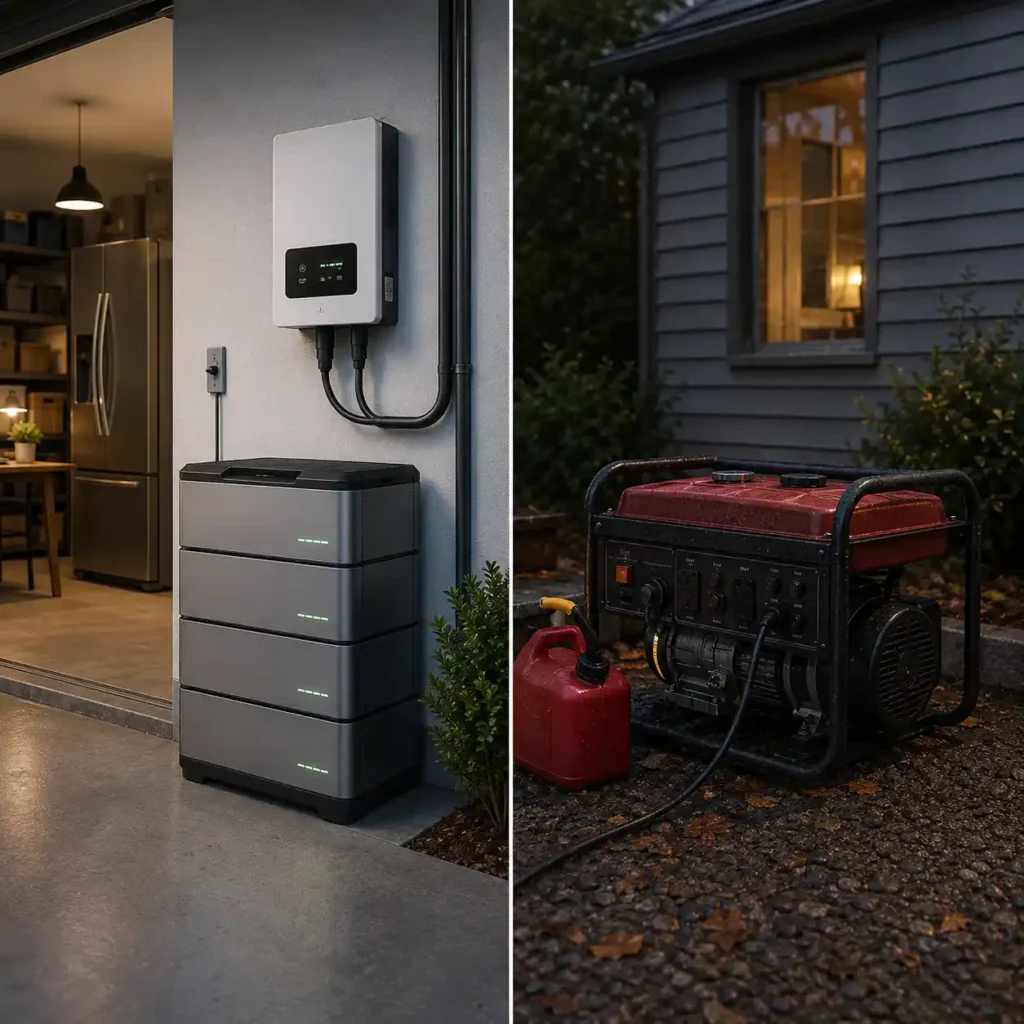
Choosing between a home battery backup system and a traditional gas generator is one of the most common decisions homeowners face when preparing for power outages. Both solutions provide emergency electricity, but they differ significantly in how they operate, the level of maintenance they require, and the overall ownership experience.
Gas generators have been used for decades because they can deliver high power output for extended periods as long as fuel remains available. However, they also require gasoline, propane, or natural gas, produce exhaust emissions, generate considerable noise, and need regular maintenance to remain dependable.
Modern home battery backup systems take a different approach. Instead of burning fuel, they store electricity for quiet, emission-free operation. Many models integrate with rooftop solar panels, recharge from the electrical grid, and require very little routine maintenance. For most homeowners, they also provide a much more convenient everyday ownership experience.
The right choice depends on your priorities. Homeowners who value quiet operation, low maintenance, and seamless residential integration often prefer battery backup systems. Those who expect extremely long outages and have reliable access to fuel may still consider a generator in certain situations.
The comparison below highlights the practical differences between these two backup solutions.
Home Battery Backup vs. Gas Generator
| Feature | Comparison |
|---|---|
| Power Source | Battery: Stored electricity Generator: Gasoline, propane, or natural gas |
| Noise Level | Battery: Virtually silent Generator: Loud during operation |
| Indoor Use | Battery: Safe indoors Generator: Outdoor use only |
| Maintenance | Battery: Minimal Generator: Regular servicing required |
| Solar Compatibility | Battery: Supported Generator: Not supported |
| Emissions | Battery: Zero operational emissions Generator: Produces exhaust emissions |
| Automatic Operation | Battery: Available on many systems Generator: Depends on model |
| Long-Term Cost | Battery: Lower operating costs Generator: Ongoing fuel and maintenance expenses |
| Best For | Battery: Quiet, low-maintenance residential backup Generator: Extended outages with reliable fuel supply |
For most homeowners, today’s home battery backup systems provide the better overall balance of convenience, reliability, and long-term value. They operate quietly, require very little maintenance, integrate naturally with solar energy, and deliver instant backup power without storing fuel or producing exhaust emissions.
That said, gas generators still have a place for households that regularly experience multi-day outages and can reliably obtain fuel throughout the emergency. The best solution ultimately depends on your home’s energy requirements, local climate, and long-term preparedness goals.
Frequently Asked Questions
What size home battery backup system do I need?
The right battery size depends on the appliances you want to power and how long you expect outages to last. Many homeowners only need enough capacity to keep refrigerators, lighting, internet equipment, and medical devices running. Whole-home backup usually requires a larger or expandable battery system.
Can a home battery backup system power an entire house?
Yes, but only if the system is properly sized and installed. Premium home battery systems that support 120V/240V output can power most household circuits, while smaller systems are generally intended for essential appliances only.
How long does a home battery backup system last during a power outage?
Runtime depends on battery capacity, appliance power consumption, and how many devices are operating simultaneously. Conserving energy by prioritizing essential appliances can significantly extend available backup time.
Can I charge a home battery backup system with solar panels?
Yes. Most premium home battery backup systems support solar charging, although maximum solar input and compatibility vary by manufacturer. Pairing battery storage with rooftop solar can provide greater energy independence during extended outages.
Are LiFePO₄ batteries better for home backup?
For most residential applications, yes. LiFePO₄ batteries offer long cycle life, excellent thermal stability, minimal maintenance, and reliable long-term performance, making them the preferred battery chemistry for modern home energy storage.
How many kWh do I need to back up my home?
The answer depends on your household’s daily electricity usage. A system with 5–10 kWh may be sufficient for essential appliances, while whole-home backup often requires 15–30 kWh or more, especially if you plan to run HVAC equipment or other high-demand appliances.
Is a home battery backup system better than a gas generator?
For many homeowners, yes. Battery systems operate quietly, require very little maintenance, produce no exhaust emissions during operation, and integrate easily with solar panels. Gas generators remain useful for very long outages when fuel is readily available, but they require regular servicing and ongoing fuel supplies.
Do home battery backup systems work without solar panels?
Absolutely. A home battery backup system can recharge directly from the electrical grid and provide emergency power during outages. Adding solar panels simply gives you another way to recharge the battery and improve long-term energy independence.
Are home battery backup systems worth the investment?
For homeowners who experience frequent outages, want greater energy independence, or plan to install solar panels, a home battery backup system can provide significant long-term value. The overall return depends on electricity prices, outage frequency, and how the system is used.
Can I expand my home battery backup system later?
Many modern battery platforms are modular, allowing homeowners to add battery capacity as their energy needs grow. Expandability is one of the most valuable features to consider if you expect future additions such as rooftop solar, electric vehicles, or increased household electricity usage.
How long do home battery backup systems typically last?
Most modern LiFePO₄ home battery systems are designed to operate for many years and withstand thousands of charge and discharge cycles. Actual lifespan depends on battery chemistry, usage patterns, operating temperatures, and manufacturer specifications.
Do home battery backup systems require professional installation?
It depends on the system. Portable battery power stations are typically ready to use out of the box, while whole-home battery systems connected to your home’s electrical panel generally require professional installation to ensure safe operation and compliance with local electrical codes.
Final Verdict
Choosing the best home battery backup system isn’t about buying the largest battery or the most expensive system—it’s about finding the right balance of battery capacity, power output, expandability, and long-term reliability for your home’s actual energy needs.
The best backup solution is the one that keeps your most important appliances running while giving you confidence that your home will remain comfortable, connected, and protected during unexpected power outages.
Every household has different priorities.
Some homeowners simply want to keep the refrigerator, internet connection, lighting, and a few essential appliances running during occasional outages. Others need a more comprehensive solution capable of supporting HVAC equipment, home offices, medical devices, kitchen appliances, or multiple high-demand circuits for extended periods.
That’s exactly why we selected winners for different household needs instead of recommending one battery system for everyone.
If you’re looking for the strongest overall combination of performance, expandability, intelligent energy management, and whole-home capability, the EcoFlow DELTA Pro Ultra remains our top recommendation. It offers exceptional flexibility, powerful 120V/240V output, seamless solar integration, and one of the most future-ready residential battery platforms available today.
Homeowners looking for exceptional high-power performance should take a close look at the Anker SOLIX F3800. Its impressive output, expandable LiFePO₄ battery platform, and whole-home compatibility make it an outstanding choice for larger households with demanding electrical loads.
For buyers who want a scalable modular platform, the BLUETTI Apex 300 + B300K delivers an excellent combination of battery expansion, dependable backup performance, and long-term flexibility, making it a smart investment for homeowners planning future energy upgrades.
If maximizing battery capacity and solar integration is your priority, the EcoFlow DELTA Pro 3 provides an excellent balance of high-capacity energy storage, fast charging, and expandability for households preparing for greater energy independence.
For homeowners looking for a reliable system that can grow alongside changing household energy demands, the Jackery HomePower 3600 Plus offers an approachable, user-friendly platform with dependable performance and flexible battery expansion.
One of the biggest mistakes we see isn’t choosing the wrong manufacturer—it’s choosing the wrong size. Some homeowners purchase far more battery capacity than they’ll realistically use, while others underestimate future electricity needs and quickly outgrow their original system.
Taking the time to evaluate your essential appliances, expected outage duration, and long-term energy plans will almost always lead to a better investment than simply buying the largest battery available.
The good news is that today’s home battery backup systems are more capable than ever before. Modern LiFePO₄ batteries, intelligent energy management, rapid charging, solar compatibility, and modular expansion have transformed residential battery storage into a practical long-term solution rather than simply an emergency backup device.
Whether your goal is protecting refrigerated food, keeping your home office online, supporting essential medical equipment, maintaining household security, or providing dependable backup power during severe weather, the right system works quietly in the background so your family’s daily routine can continue with minimal interruption.
At the end of the day, the best home battery backup system isn’t the one with the highest specifications on paper. It’s the one that fits your home’s electrical needs, adapts to your future plans, and delivers reliable performance every time the power goes out.
Choose a system that matches your household—not just your budget—and you’ll have a dependable backup solution that provides greater comfort, resilience, and peace of mind for many years to come.
We hope this guide has made comparing today’s leading home battery backup systems easier and has given you the confidence to choose the right solution for your home. Whatever challenges the electrical grid may bring in the future, reliable battery backup helps ensure your household stays connected, protected, and prepared.
Our Recommendation
If we had to give just one piece of advice after researching every system in this guide, it would be this: start by understanding your home’s actual energy needs instead of shopping for the largest battery on the market.
Many homeowners assume that buying the biggest battery automatically provides the best protection. In reality, the best investment is usually the system that comfortably powers your essential household loads today while leaving room for future expansion as your energy requirements evolve.
We also strongly recommend choosing a platform built around modern LiFePO₄ battery technology from a manufacturer with a proven track record, reliable software support, and a well-developed ecosystem. Features such as expandable battery storage, fast charging, intelligent energy management, and solar compatibility often deliver far greater long-term value than simply choosing the highest advertised battery capacity.
If you’re still undecided after reading this guide, narrow your shortlist to two or three systems that match your home’s electrical demands. Compare their expansion capabilities, inverter performance, solar integration, warranty coverage, and overall ecosystem before making your final decision.
In our experience, that approach almost always leads to a smarter long-term investment than focusing on specifications alone.
Related Guides
Building a reliable home battery backup system involves much more than choosing the right battery. Understanding runtime, sizing your system correctly, integrating solar power, and selecting compatible equipment all play an important role in creating a dependable residential energy solution.
The guides below will help you plan every aspect of your home backup setup while avoiding unnecessary costs and ensuring your system is ready whenever the next power outage occurs.
- Best Portable Power Stations (2026) — Compare the top portable battery generators for home backup, camping, RVs, and emergency preparedness.
- Best Solar Panels for Home Battery Backup Systems — Learn how to choose compatible solar panels for faster charging and greater energy independence.
- Home Battery Backup Runtime Calculator — Estimate how long different battery capacities can power refrigerators, lighting, internet equipment, medical devices, and other essential household appliances.
- What Size Home Battery Backup System Do I Need? — Learn how to calculate the right battery capacity and inverter output based on your home’s actual electrical loads.
- Home Battery Backup System vs. Gas Generator — Compare battery backup systems and traditional generators to determine which solution best fits your home.
- How to Prepare Your Home for a Power Outage — Discover practical steps to improve emergency readiness before severe weather or unexpected grid failures.
- Best Transfer Switches for Home Battery Backup Systems — Learn how transfer switches simplify safe integration between battery backup systems and your home’s electrical panel.
- Best Solar Batteries for Home Energy Storage — Explore today’s leading residential battery technologies for backup power, solar integration, and long-term energy storage.