
Zendure is an EnergyTech brand focused on portable power, solar energy storage, home backup, and energy-management technologies. Founded in 2017, the company describes its mission around making clean-energy technology more accessible and developing solutions for households worldwide. Its portfolio has expanded well beyond standalone portable batteries to include power stations, modular storage, solar systems, smart energy-management hardware, and connected home-energy solutions.
Zendure is therefore better understood as an energy technology brand rather than simply a portable power station manufacturer. Its SuperBase products represent the portable and backup-power side of the portfolio, while SolarFlow and newer home-energy products extend the brand into solar storage, energy management, and residential power systems.
This guide explains how Zendure is organized, what the brand is known for, how its major product categories and technology platforms fit together, and which types of users may find the ecosystem relevant. It is a brand profile, not a ranking of Zendure products.
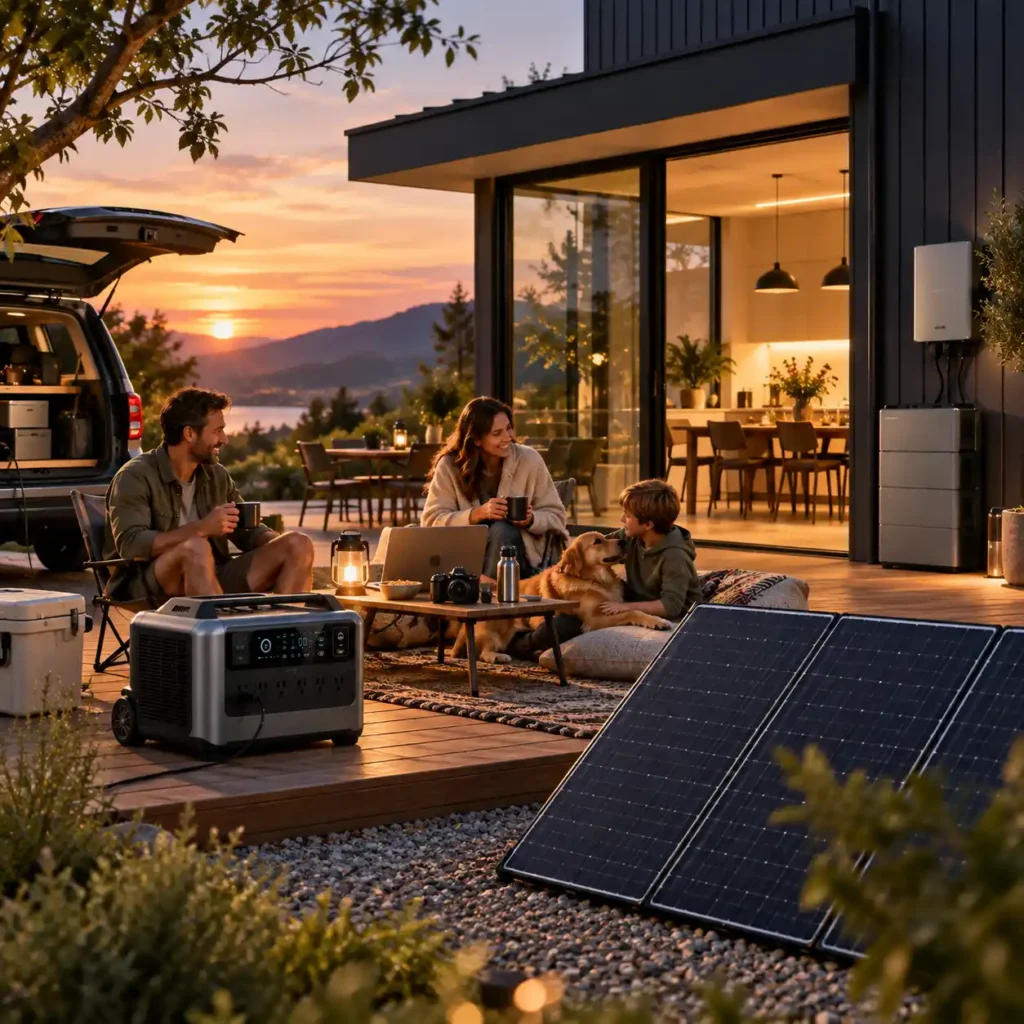
Table of Contents
Zendure at a Glance
Zendure is a global EnergyTech company that has developed from a portable-power-focused brand into a broader provider of energy-storage and energy-management solutions. Zendure’s own materials describe the company as an EnergyTech start-up with operations and technology development associated with Silicon Valley, the Greater Bay Area of China, Japan, and Germany.
| Category | Zendure |
|---|---|
| Brand focus | Energy technology and energy storage |
| Main areas | Portable power, solar storage, home backup, energy management |
| Portable solutions | SuperBase power stations and related accessories |
| Solar energy | SolarFlow plug-in and solar-storage systems |
| Home energy | Battery storage, backup, HEMS, PowerHub and related components |
| Smart features | Zendure App, smart meters, connected energy management |
| Broader ecosystem | Batteries, solar equipment, EV charging and home-energy components |
The most important point is that Zendure’s portfolio now operates across several different energy-system categories.
A portable power station, a balcony solar-storage system, and a residential energy-management platform may all contain batteries and power electronics, but they are designed for different applications.
That distinction is central to understanding Zendure.
Zendure’s product availability, configurations, and energy-system requirements vary by market, so this profile focuses on the brand’s portfolio rather than treating every product as globally available.
About Zendure
Zendure was founded in 2017 and originally built its identity around portable power and energy-related consumer technology. The company now describes itself as an EnergyTech brand focused on clean-energy storage and household energy solutions.
The brand’s development can be seen through its successive product platforms.
Zendure’s own history highlights the SuperBase M, SuperBase Pro, and SuperBase V families, followed by related components such as Satellite Batteries, Smart Home Panels, Smart Plugs, EV Chargers, and energy-management software. The company also identifies SolarFlow as a major part of its development into solar-connected energy storage.
That evolution is important because Zendure is no longer best described as a company selling standalone battery boxes.
Its current portfolio increasingly connects:
solar generation → energy conversion → battery storage → household consumption → monitoring and energy management
Zendure’s European platform now explicitly promotes an integrated Home Energy Management System that can coordinate solar systems, storage, EV charging, heat pumps, smart devices, and home circuits.
This gives the brand a broader role within the home-energy market than its earlier portable-power identity might suggest.
What Is Zendure Known For?
Zendure is primarily known for combining portable power, modular energy storage, solar integration, and increasingly sophisticated home-energy management.
Portable power
The SuperBase family represents the best-known portable-power side of Zendure’s portfolio.
These systems are designed to provide battery-powered electricity for applications ranging from outdoor use and mobile work to emergency backup and larger off-grid requirements.
Modular energy storage
Modularity is another recurring theme across Zendure’s product architecture.
The company has developed expandable battery systems around several of its energy platforms, allowing storage capacity to grow without necessarily replacing the entire system. Zendure’s SuperBase V, for example, was designed around expandable energy storage and home-backup applications.
Solar-connected storage
SolarFlow is particularly important because it moves Zendure beyond conventional portable power.
The current SolarFlow portfolio includes plug-in solar storage, AC-coupled storage, batteries, smart meters, solar panels, and other system components.
Home energy management
Zendure is also increasingly positioning itself around energy management rather than energy storage alone.
Its current HEMS proposition is intended to coordinate different household energy sources and loads, while the Zendure App provides monitoring and control for supported devices.
This makes energy management an important part of understanding where the brand is heading.
Zendure Product Categories
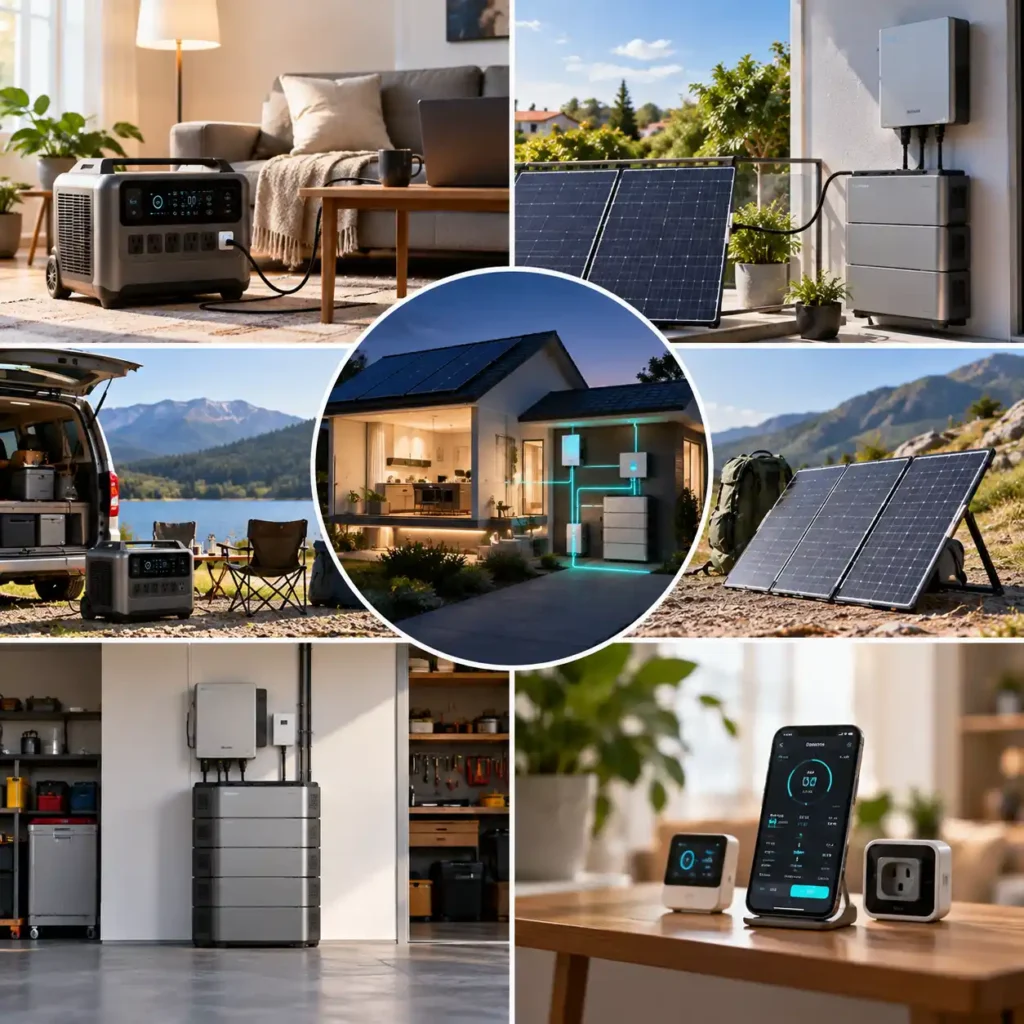
The current Zendure portfolio is easier to understand when organized by what the equipment is designed to do, rather than simply listing individual models.
Portable Power Stations
Portable power stations remain one of Zendure’s most recognizable product categories.
The SuperBase family includes battery-powered systems designed to provide electricity away from a conventional wall outlet. Depending on the product, applications can include outdoor recreation, mobile work, RV use, emergency power, and larger backup scenarios.
The important distinction is that portable power is only one part of the Zendure portfolio.
Readers comparing portable power stations should evaluate capacity, output, charging, portability, battery chemistry, and runtime according to their specific use case. For a broader buying framework, see our How to Choose a Portable Power Station guide. Those questions belong in PWRG’s dedicated portable-power guides rather than turning this Brand Profile into another buying guide.
Solar Energy Storage
Solar energy storage is one of the areas where Zendure’s current portfolio has expanded substantially.
The SolarFlow ecosystem is designed to capture solar-generated electricity and store it for later use. Current Zendure EU materials include multiple SolarFlow platforms, expansion batteries, smart meters, solar panels, and related accessories.
The purpose is different from simply connecting a solar panel to a portable battery.
A solar-storage system is intended to become part of an ongoing energy cycle:
solar generation → storage → later household use
This can be particularly relevant for households looking to increase their use of self-generated solar electricity. Readers comparing residential battery technologies can also see our Best Solar Batteries for Home Backup guide for a broader look at home energy storage options.
Home Backup Power
Zendure also operates in the home-backup segment.
Here, the objective moves beyond providing temporary electricity from a portable battery. Larger systems can combine energy storage, solar generation, electrical conversion, and home-energy management.
Zendure’s current European portfolio includes the PowerHub, which the company describes as a central hub connecting solar, storage, EV charging, heat pumps, smart devices, and home circuits.
This is a fundamentally different application from keeping a portable power station available for occasional emergencies.
Home backup can involve:
- electrical-system compatibility;
- installation requirements;
- energy storage;
- solar integration;
- smart metering;
- local electrical regulations;
- professional installation where required.
The exact architecture depends on the product and market. For a broader comparison of residential battery-based backup systems, see Best Home Battery Backup Systems .
Plug-In and Balcony Solar Systems
Zendure has also developed products around plug-in solar storage, particularly visible in its European portfolio.
Current Zendure EU materials describe SolarFlow systems for plug-in solar, balcony power plants, and AC-coupled storage.
This category is particularly important because it demonstrates how Zendure’s product strategy differs from a traditional portable-power brand.
The system is not simply:
battery → appliance
Instead, it can become:
PV generation → inverter → storage → household consumption → grid interaction
Regional regulations and electrical standards matter considerably here, so European and U.S. applications should not automatically be treated as interchangeable.
Energy Management Hardware
Zendure’s ecosystem also includes components that help monitor or control energy flows.
The current European portfolio includes:
- Smart Meter devices;
- Smart Plug products;
- PowerHub;
- home-energy management components;
- expansion batteries;
- solar-panel equipment;
- system cables and adapters.
These components may not be the products most people associate with Zendure, but they are increasingly important to the company’s overall system architecture.
Zendure Product Lines Explained
The easiest way to understand Zendure is to distinguish its major platforms rather than treating every product as a separate category.
SuperBase
SuperBase represents Zendure’s portable-power and backup-energy heritage.
The family has included different generations and product classes, from smaller portable systems to much larger expandable energy-storage platforms.
SuperBase V is particularly important to Zendure’s transition toward home backup and larger-scale energy storage, while SuperBase Pro represents the high-capacity portable-power side of the portfolio. Zendure’s official documentation continues to maintain dedicated documentation for SuperBase V and SuperBase Pro.
For this Brand Profile, however, the important point is the role of SuperBase within Zendure’s portfolio, not which individual SuperBase model is best.
SolarFlow
SolarFlow represents Zendure’s move into solar-connected energy storage.
The current SolarFlow portfolio includes systems for plug-in solar, AC-coupled storage, expandable battery storage, and related energy-management hardware.
Unlike a conventional portable power station, SolarFlow is intended to function as part of a broader solar-energy system.
That makes the family particularly relevant to homeowners interested in solar self-consumption and energy storage.
Zendure PowerHub
The Zendure PowerHub represents another step toward system-level home energy management.
Zendure describes PowerHub as a central hub capable of connecting solar, storage, EV charging, heat pumps, smart devices, and home circuits.
That positioning is significant because it shows Zendure moving toward a model in which the battery itself is only one component of the overall energy system.
Home Energy Management System
Zendure’s HEMS represents the software and control layer of the broader ecosystem.
The company describes it as an AI-powered home energy management system intended to coordinate household energy systems, including solar, storage, EV charging, heat pumps, and other consumers.
The HEMS concept is therefore different from a simple battery-monitoring app.
Its purpose is to manage energy flows across the household.
Zendure Technology & Energy Ecosystem
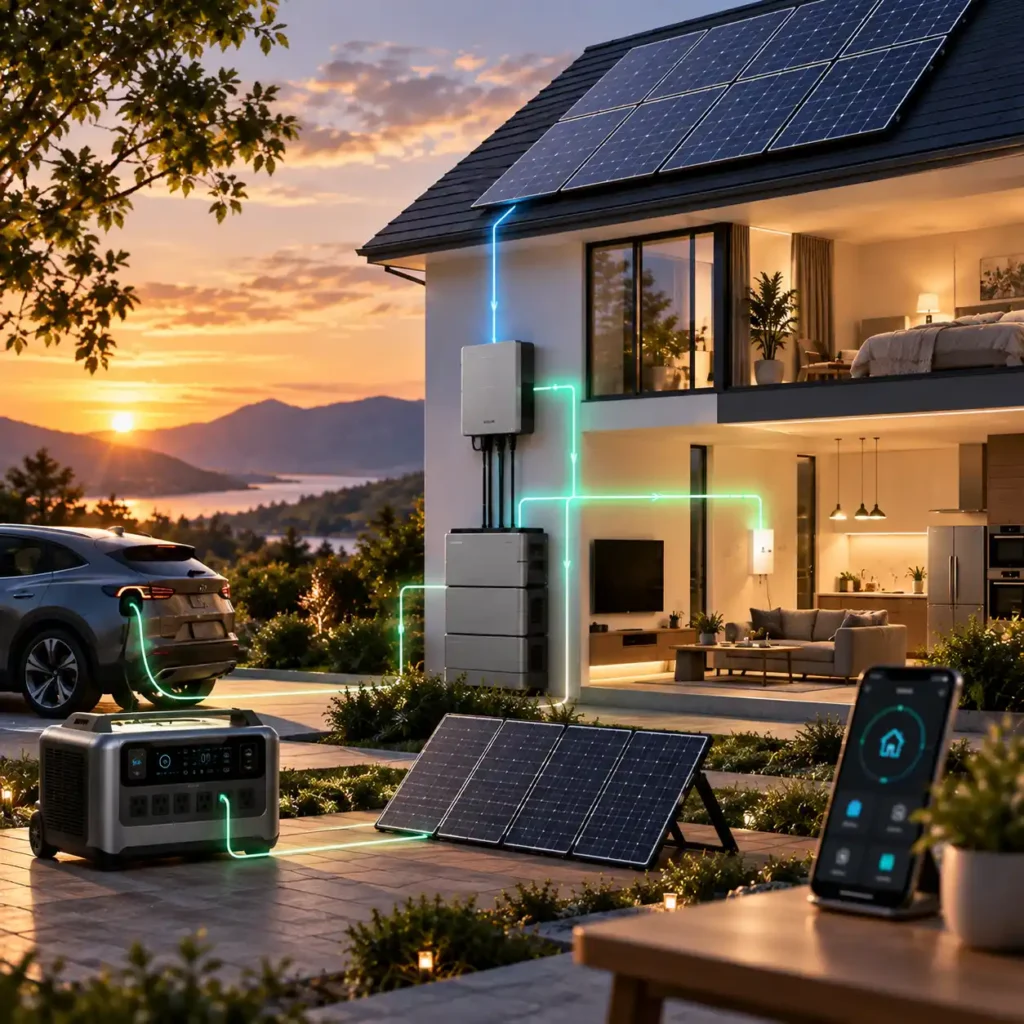
Zendure’s current strategy increasingly revolves around connecting individual energy components into a broader ecosystem.
The architecture can be understood in several layers:
Energy generation
Solar panels and photovoltaic systems provide electricity.
Energy conversion
Inverters and related power electronics convert and manage electrical energy for different applications.
Energy storage
Batteries store electricity for later use.
Energy distribution
Power stations, home-energy systems, and PowerHub-related equipment determine where stored or generated electricity is delivered.
Energy management
Smart meters, connected devices, the Zendure App, and HEMS provide visibility and control.
This is one of the defining characteristics of Zendure’s current portfolio.
The company is increasingly presenting itself not simply as a battery manufacturer, but as an integrated EnergyTech platform.
Battery and Storage Technology
Battery technology remains central to Zendure’s product development.
Different Zendure product families use different storage architectures, so battery chemistry should not be treated as a single brand-wide specification.
For example, the SuperBase V family has included both LFP and semi-solid-state battery technology depending on the version. Zendure specifically highlights semi-solid-state technology as part of the SuperBase V platform.
The important Brand Profile point is therefore not which chemistry is “best.”
It is that Zendure uses different storage technologies across different product families to address different system requirements.
Detailed battery chemistry comparisons belong in the individual product and category guides.
Zendure App & Smart Energy Management
The Zendure App is designed to provide monitoring and management for supported products, while the company’s broader HEMS strategy extends that concept toward household energy management.
Depending on the supported system, connected functionality can include:
- monitoring energy production;
- tracking battery status;
- viewing energy flows;
- managing connected devices;
- monitoring household consumption;
- configuring supported energy-management functions.
However, these capabilities should not be assumed to be identical across every Zendure product.
The exact functions depend on the hardware, firmware, region, and system configuration.
That distinction is important because Zendure’s portfolio is broad enough that “Zendure App features” cannot automatically be treated as one universal specification.
Solar Generation and Energy Storage
Solar is now one of the central pillars of Zendure’s ecosystem.
For portable power, solar can provide an alternative method of charging a battery.
For residential energy systems, the relationship is more complex:
Solar generation → energy conversion → battery storage → household consumption
Zendure’s SolarFlow products are specifically built around this type of solar-storage architecture. Current European offerings include multiple SolarFlow systems, expandable batteries, smart meters, and solar-panel configurations.
The economic and practical value of such systems depends on factors outside the brand itself, including:
- local electricity prices;
- solar production;
- household consumption;
- tariffs;
- grid regulations;
- existing PV equipment;
- available installation options.
Therefore, Zendure should not be evaluated as though the same product architecture applies identically in every country.
Zendure Home Energy Solutions
Zendure’s home-energy direction is one of the clearest signs that the company has moved beyond portable power.
The current European portfolio includes systems designed around:
- solar generation;
- battery storage;
- AC-coupled storage;
- home energy management;
- smart metering;
- EV charging;
- heat-pump integration;
- home circuits.
The PowerHub is particularly representative of this direction because Zendure positions it as a central connection point between several household energy technologies.
This means Zendure’s residential products should be viewed as components of an energy system, not simply larger versions of portable power stations. Homeowners evaluating larger residential backup architectures can explore our Best Whole House Backup Power Systems guide for a broader comparison of whole-home solutions.
Installation, electrical compatibility, local codes, and professional support can therefore become much more important than they are with a standalone portable battery.
Who Is Zendure For?
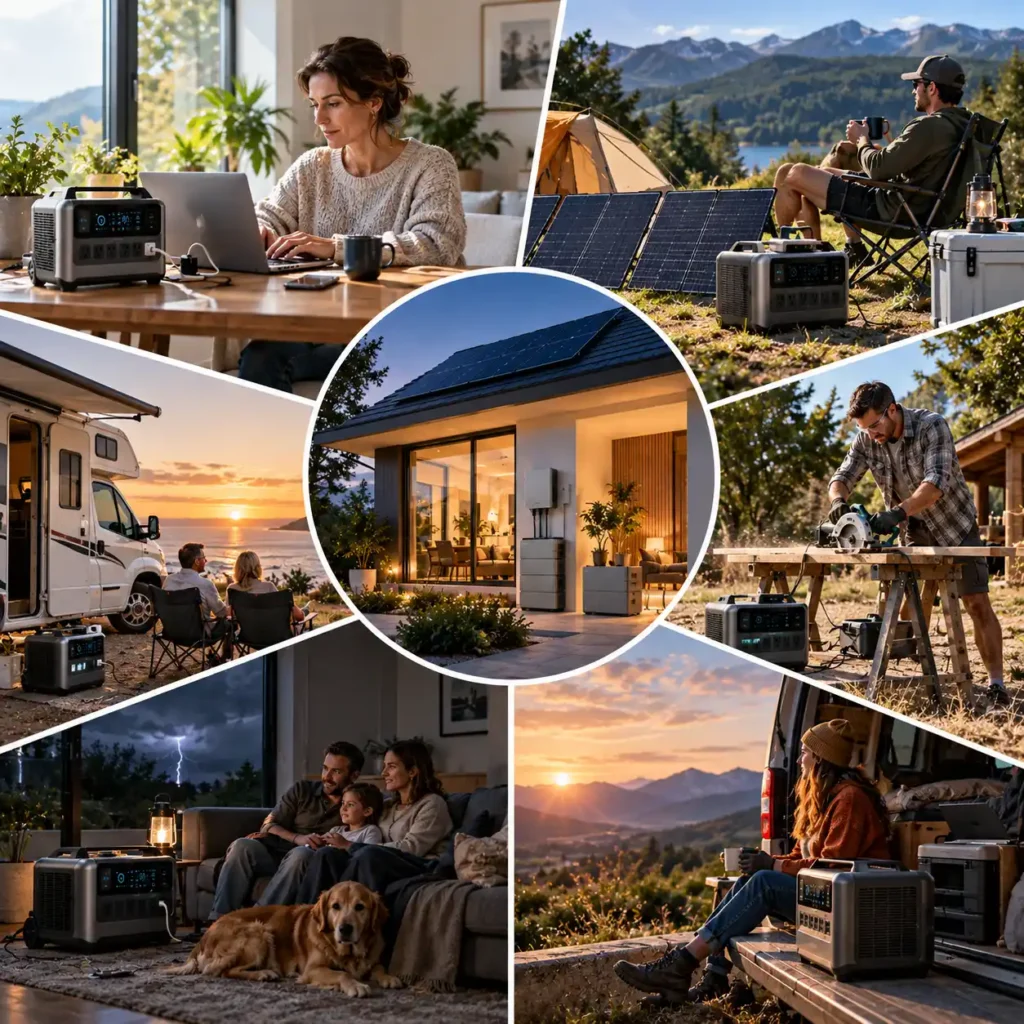
Users interested in backup electricity for household essentials may find Zendure relevant, particularly where modular storage and solar integration are priorities. For a model-focused comparison of battery-powered solutions for outages, see Best Portable Power Stations for Home Backup. Zendure’s broad portfolio means that the brand can be relevant to several different types of users.
Portable-power users
People who need battery-powered electricity for:
- camping;
- RV travel;
- outdoor work;
- remote work;
- temporary power;
- selected emergency loads.
These users are primarily interacting with the SuperBase side of the portfolio.
Homeowners preparing for outages
Users interested in backup electricity for household essentials may find Zendure relevant, particularly where modular storage and solar integration are priorities.
However, the appropriate system depends on whether the requirement is:
- direct plug-in backup;
- selected-circuit backup;
- larger residential energy storage;
- solar-connected backup.
Those are different system architectures.
Solar-equipped households
Zendure’s SolarFlow ecosystem is particularly relevant to homeowners who want to store solar-generated electricity and use it later.
This audience is less concerned with portability and more concerned with:
- solar compatibility;
- storage capacity;
- energy flows;
- smart metering;
- household consumption;
- system integration.
Users interested in connected energy management
Zendure may also appeal to technically oriented users who want software and connected hardware to play a larger role in managing household energy.
The current HEMS direction is particularly relevant here. Zendure describes its system as extending beyond storage to coordinate multiple household energy technologies.
Who May Want to Consider Other Brands?
Zendure’s broad ecosystem will not necessarily be useful to every buyer.
Someone who only needs a small, simple portable battery may not benefit from a brand whose portfolio increasingly includes solar storage, smart meters, home-energy management, and residential systems.
Likewise, homeowners planning a permanent energy-storage installation should compare the complete ecosystem rather than choosing a brand based only on its portable power stations.
Relevant considerations can include:
- local availability;
- installer support;
- electrical compatibility;
- warranty terms;
- regional product selection;
- existing solar equipment;
- inverter compatibility;
- smart-home requirements.
The right comparison is therefore between complete system architectures, not simply brand names.
Zendure Strengths and Limitations
Strengths
- Broad EnergyTech portfolio: Zendure now spans portable power, solar storage, home backup, and energy management.
- Modular approach: Several product families are built around expandable storage architectures.
- Solar integration: Solar generation and storage are central to the current SolarFlow portfolio.
- Home-energy direction: HEMS and PowerHub extend the brand beyond standalone batteries.
- Connected ecosystem: Supported products can be monitored and managed through Zendure’s software ecosystem.
- Multiple use cases: The portfolio covers mobile, emergency, solar-storage, and residential applications.
Limitations
- Portfolio complexity: Zendure now operates across enough categories that product selection can become confusing.
- Different regional portfolios: Current products and configurations differ between markets.
- Different system requirements: A portable power station and a residential storage system require very different evaluation criteria.
- Installation complexity: Larger home-energy systems can involve electrical work and local requirements.
- Feature variability: App functions, compatibility, and system features depend on the specific product and region.
The breadth that makes Zendure interesting can therefore also make it more difficult for a first-time buyer to understand.
Zendure Warranty & Customer Support
Zendure provides warranty coverage and after-sales support for its products, but warranty periods and conditions vary by product, product category, and market. Customers should check the warranty terms for the specific product and region before purchasing.
Zendure’s official warranty documentation covers warranty periods, exclusions, eligibility requirements, returns, replacements, and the process for submitting a warranty claim. The company also provides product documentation and technical support through its official support resources.
For buyers in Europe, local consumer protection laws may provide statutory rights in addition to any commercial warranty offered by Zendure. Zendure’s EU terms state that commercial warranty conditions are detailed in its dedicated Warranty Policy, while legal guarantees apply independently under applicable national law.
Official warranty and support resources:
Popular Zendure Products
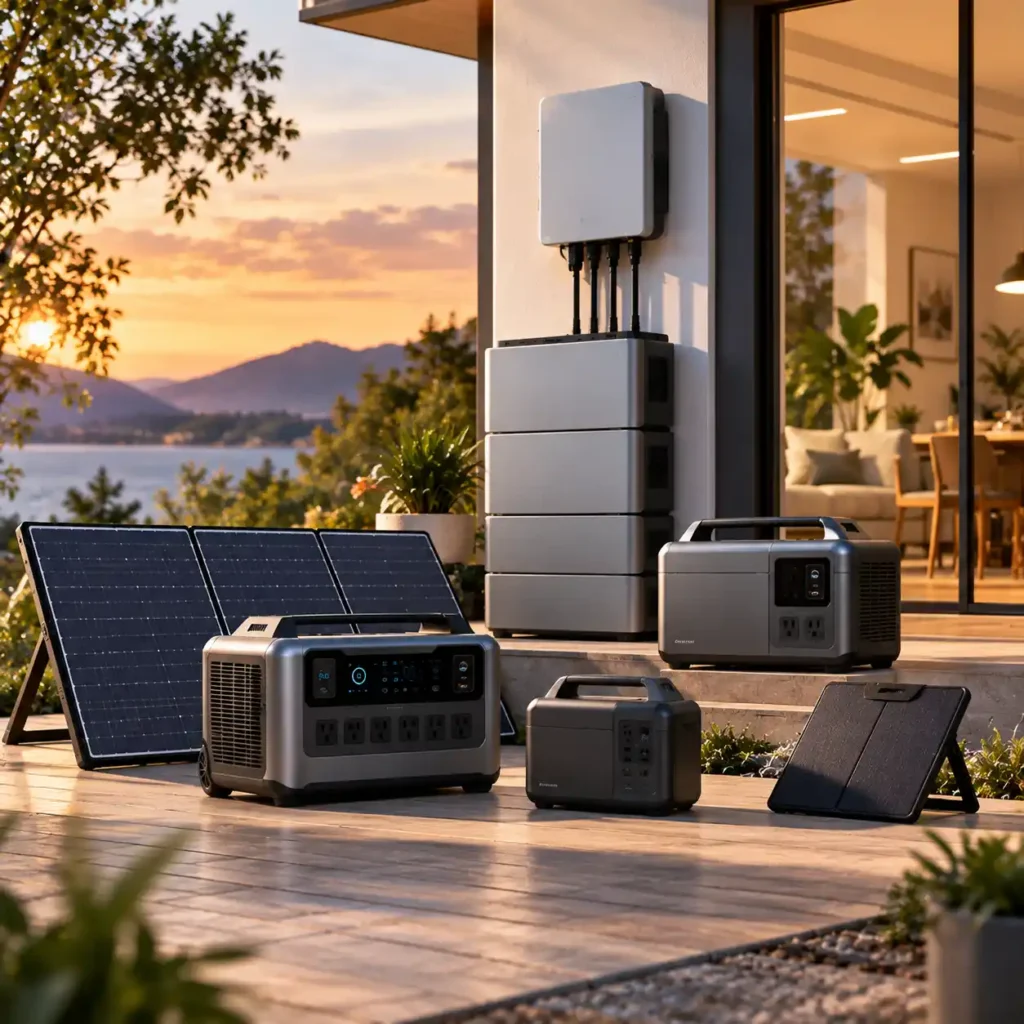
This section is intended as navigation, not a ranking.
Zendure’s major product families currently include:
- SuperBase — portable power and backup platform, including the SuperBase V series.
- SolarFlow— solar-connected energy storage and plug-in solar systems.
- PowerHub — a central home-energy connection and management component.
- Zendure batteries — expansion and storage batteries designed for compatible energy systems.
- Smart energy devices — smart meters, plugs, and related monitoring and control hardware.
- Solar panels and accessories — components supporting Zendure’s solar-energy ecosystem.
The current Zendure EU portfolio confirms that the ecosystem now extends across SolarFlow systems, batteries, smart meters, solar panels, PowerHub, and related accessories.
For detailed product selection, these should be handled through dedicated PWRG buying guides and reviews rather than this Brand Profile.
Zendure Guides, Reviews & Comparisons
Zendure is part of the broader Power Ready Guide brand architecture.
This Brand Profile explains who Zendure is, what the company offers, and how its energy ecosystem is organized.
Dedicated PWRG content should handle the separate questions:
- Which Zendure power station fits a particular use case?
- Which Zendure solar-storage system fits a specific installation?
- How does a specific Zendure product perform?
- How does Zendure compare with another energy brand?
- How should a particular Zendure system be sized?
Keeping those questions separate prevents this page from becoming another product-ranking article.
It also gives the Zendure section of Power Ready Guide room to grow without forcing every piece of information into one URL.
Frequently Asked Questions
What is Zendure?
Zendure is an EnergyTech brand focused on portable power, solar energy storage, home backup, and energy management. Its portfolio has expanded from portable power stations into broader residential energy systems, including SolarFlow, batteries, smart energy devices, and home energy-management technologies.
What is Zendure known for?
Zendure is known for its SuperBase portable power stations and for expanding into solar storage and home-energy management. Its current portfolio includes SolarFlow systems, expandable batteries, smart meters, energy-management hardware, and home-energy solutions.
Is Zendure a power station company?
Zendure makes portable power stations, but it is no longer limited to that category. The brand now covers portable power, solar storage, plug-in solar systems, home backup, batteries, and energy-management technologies.
What is Zendure SolarFlow?
Zendure SolarFlow is a solar energy storage ecosystem designed to store excess electricity generated by solar panels and make that energy available later. Depending on the system, SolarFlow can include a power-management hub, batteries, solar inputs, smart meters, and connected controls.
What is the difference between Zendure SolarFlow and a power station?
SolarFlow is designed primarily as part of a solar-storage system, while a portable power station is a standalone battery-powered unit designed to supply electricity in different locations. SolarFlow can integrate with solar generation, batteries, and household energy management, whereas portable power stations emphasize mobility and flexible power delivery.
Can Zendure SolarFlow work with existing solar panels?
Yes, compatibility depends on the specific SolarFlow system and the existing solar equipment. Zendure states that its SolarFlow ecosystem can work with a range of solar panels and microinverters, while newer systems have specific voltage, current, and compatibility requirements that should be checked before installation.
Does Zendure have a home energy management system?
Yes. Zendure currently promotes a Home Energy Management System (HEMS) designed to coordinate household energy resources such as solar generation, storage, EV charging, heat pumps, and other connected loads. The exact capabilities depend on the supported hardware and market.
Does Zendure have an app?
Yes. The Zendure App is used with supported products for system setup, monitoring, and control. Current Zendure documentation states that the app is required for setup and operating-mode selection on several SolarFlow systems, while available functions vary by product.
Can Zendure systems be used for home backup?
Yes, some Zendure systems are designed to provide backup power, but the type of backup depends on the product architecture. Portable power stations can supply selected devices directly, while larger SolarFlow and home-energy systems can provide off-grid or backup functionality as part of a more integrated energy system.
Can Zendure SolarFlow be expanded with additional batteries?
Yes. Expansion depends on the SolarFlow generation and compatible battery family. For example, Zendure documents systems that support multiple additional batteries, with some current configurations expandable to several kilowatt-hours of storage. Compatibility should always be checked for the specific SolarFlow platform before adding batteries.
Our Take on Zendure
Zendure is best understood as an EnergyTech brand that has expanded from portable power into a broader energy ecosystem.
SuperBase remains an important part of the company’s identity, but it no longer explains the entire brand. SolarFlow, expandable batteries, smart meters, PowerHub, home-energy management, solar equipment, and connected controls now form an increasingly important part of Zendure’s portfolio.
That breadth is Zendure’s defining characteristic.
It gives the brand the ability to address very different energy requirements—from portable electricity and emergency backup to solar storage and more integrated home-energy management.
At the same time, that breadth means buyers should not treat every Zendure product as interchangeable. A portable power station, a solar-storage system, and a home-energy-management platform solve different problems and require different purchasing criteria.
For Power Ready Guide readers, the most useful way to understand Zendure is therefore through its product categories, system architecture, and intended applications, rather than through a single list of “best” Zendure products.
Final Navigation
If you are researching Zendure, the next step should be to identify which type of energy system you actually need.
Power Ready Guide’s dedicated category guides can then provide the deeper information required for product selection, system sizing, and technical comparison.
This keeps the role of this page clear:
The Zendure Brand Profile explains the brand and its energy ecosystem; dedicated PWRG guides handle product selection, comparisons, and technical buying decisions.
Sources
- Zendure — About Zendure — Official information about Zendure’s founding in 2017, EnergyTech positioning, company mission, SuperBase product development, SolarFlow, home-energy products, and the brand’s broader clean-energy direction.
- Zendure — Why Zendure? — Official overview of Zendure’s EnergyTech positioning, SuperBase V development, semi-solid-state battery technology, and the brand’s approach to expandable energy storage.
- Zendure — SolarFlow Series — Official overview of the current SolarFlow portfolio, including plug-in solar storage, AC-coupled systems, batteries, smart meters, and PowerHub.
- Zendure — Home Energy Management System (HEMS) — Official information about Zendure’s HEMS platform, including energy monitoring, optimization, connected home-energy resources, and AI-assisted energy management.
- Zendure — Home Energy Solution — Official overview of Zendure’s current home-energy ecosystem, including SolarFlow systems, storage, smart meters, and related residential energy technologies.
- Zendure — Intelligent App — Official information about the Zendure App, including device monitoring, control, energy plans, data visualization, and supported connected-energy functions.
- Zendure — Download Center — Official product documentation covering SuperBase V, SuperBase Pro, SolarFlow-related equipment, Smart Home Panels, solar products, the Zendure App, and other system components.
- Zendure Help Center — Official support and knowledge-base resource for product documentation, troubleshooting, setup, and technical support.