
Anker SOLIX is Anker’s dedicated power and energy brand, covering portable power, solar energy storage, and home backup solutions. Rather than focusing on a single type of battery-powered device, the SOLIX portfolio extends from compact portable power stations to larger energy-storage systems designed for residential use.
Anker SOLIX is relevant to Power Ready Guide because its products span several parts of the backup-power and home-energy market. That makes it useful to understand the brand as a portfolio of different solutions rather than as a single product category.
This guide explains where Anker SOLIX fits within the portable and home-energy market, how its product families are organized, which technologies and ecosystem features connect them, and which types of users may find the brand relevant. It is a brand profile, not a ranking of Anker SOLIX products.
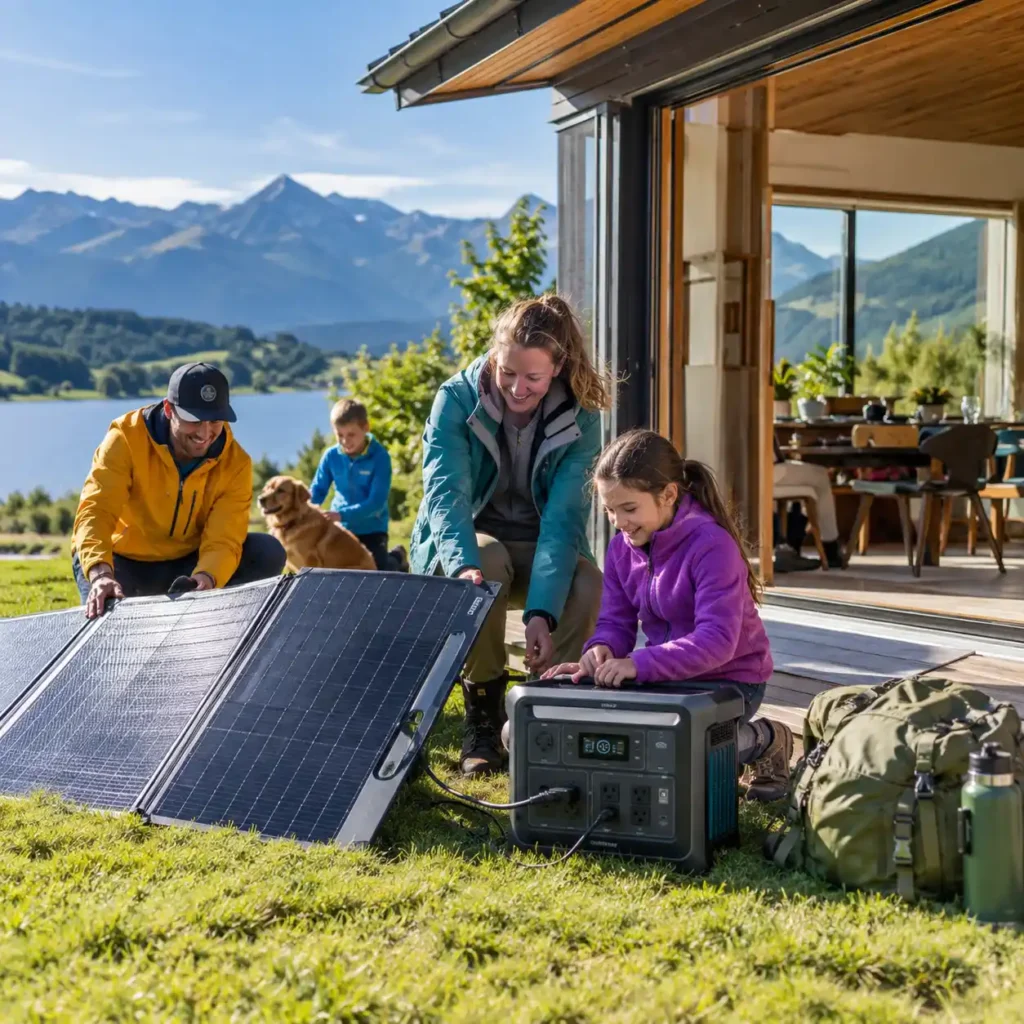
Table of Contents
Anker SOLIX at a Glance
Anker SOLIX sits within the broader Anker Innovations portfolio as the company’s power-storage and energy-focused brand. Anker describes its overall business as a group of technology brands, with Anker SOLIX specifically focused on home and portable energy.
| Category | Anker SOLIX |
|---|---|
| Brand focus | Portable and home energy |
| Main areas | Portable power, solar energy storage, home backup |
| Portable solutions | Power stations for outdoor, travel and backup use |
| Home energy | Battery storage and residential backup systems |
| Solar integration | Solar charging and solar energy storage |
| Smart features | App-based monitoring and control on supported systems |
| Brand relationship | Power-storage sub-brand of Anker Innovations |
The important distinction is that Anker SOLIX is broader than the portable power station category. Portable power remains a major part of the portfolio, but the brand also extends into residential energy storage and solar-connected systems.
That distinction matters when evaluating the brand. A portable power station intended for camping has a different role from a residential battery system designed to store solar energy and provide backup power during an outage. Treating all SOLIX products as interchangeable would therefore give readers an incomplete picture of the brand.
About Anker SOLIX
Anker SOLIX was launched by Anker Innovations as its dedicated energy and power-storage brand. Today, Anker positions SOLIX within its broader portfolio as the category focused on home and portable energy. The move gave Anker a distinct identity for products and systems focused on storing, supplying, and managing electrical energy rather than the company’s traditional mobile charging accessories.
SOLIX now spans two connected areas: portable energy and home energy. The portable side includes battery-powered systems designed for use away from a conventional electrical outlet, while the home-energy side addresses solar generation, battery storage, and backup power for residential applications.
The brand’s development also reflects the broader expansion of battery-based backup power beyond portable applications. Portable battery systems can serve as temporary or emergency power sources at home, while larger energy-storage systems can be integrated with solar generation and household electrical systems.
Anker SOLIX therefore occupies a space between consumer electronics, portable power, and residential energy storage. This positioning is important for understanding the brand’s portfolio without reducing it to a single product category
What Is Anker SOLIX Known For?
Anker SOLIX is primarily known for combining portable battery power, solar charging, and residential energy storage within one brand portfolio.
Its portable-power products are designed around situations where users need electricity away from a conventional wall outlet. Depending on the system, that can include outdoor recreation, travel, temporary power needs, or emergency backup for selected household devices.
The second major area is solar-connected energy storage. Anker’s Solarbank family, for example, is positioned around storing energy generated by solar panels for later use, particularly in residential applications. Anker describes this part of the portfolio as an intelligent solar-storage system rather than simply another portable battery.
The third area is larger-scale home backup. SOLIX systems such as the F3800 and X1 are positioned for residential backup applications, with the larger systems designed to integrate with household electrical infrastructure rather than simply being used as standalone portable batteries.
This gives the brand three broad roles:
- Portable power for electricity on the go.
- Solar energy storage for capturing and using solar-generated electricity.
- Home backup and energy management for residential power resilience.
The boundaries between these categories can overlap, but they should not be treated as the same type of solution. The appropriate SOLIX product family depends heavily on whether the priority is portability, solar self-consumption, emergency backup, or a more permanent home-energy installation.
Anker SOLIX Product Categories
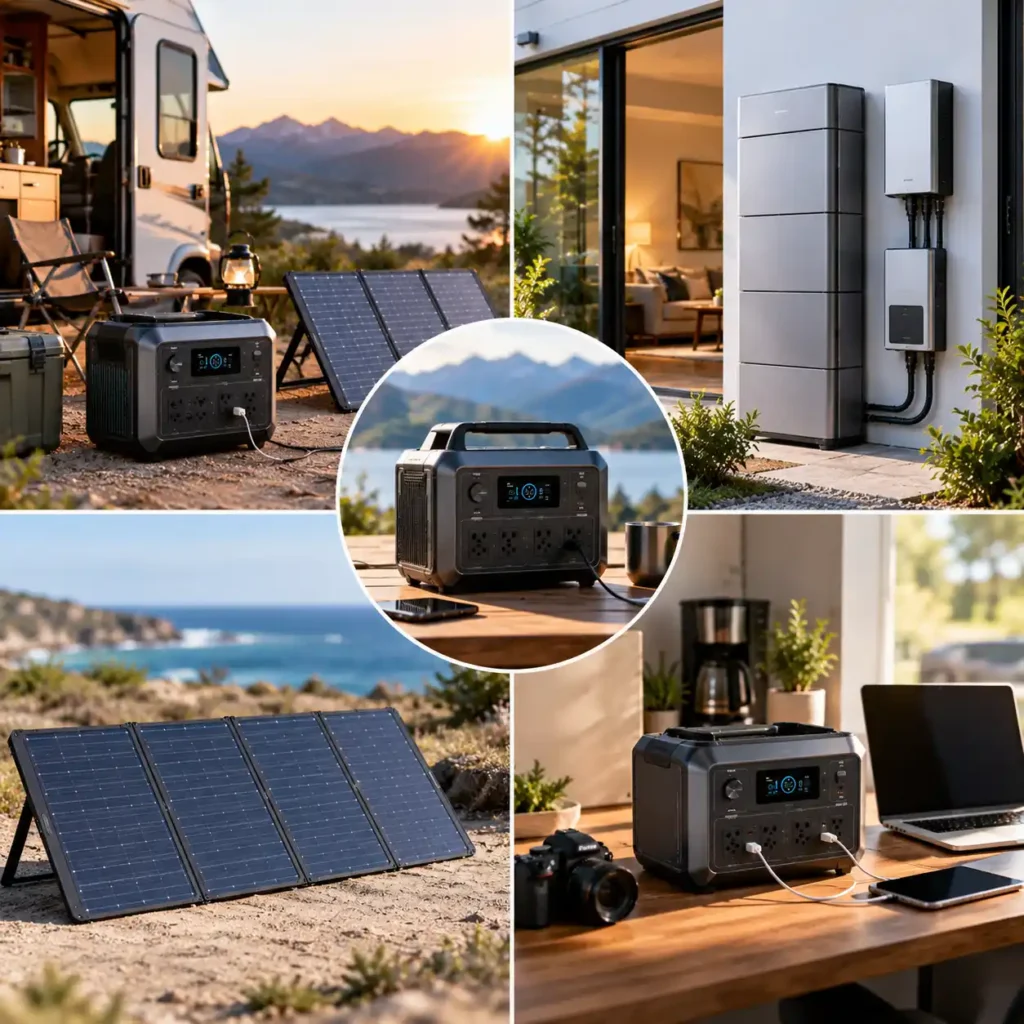
The current SOLIX portfolio can be understood more clearly by looking at what the systems are designed to do, rather than simply listing individual models.
Portable Power Stations
Portable power stations form one of the most recognizable parts of the Anker SOLIX range.
These battery-powered systems provide AC and DC power without requiring a permanent connection to the electrical grid. They can be used for outdoor activities, travel, temporary power, and selected emergency loads at home.
The range spans different sizes and power levels, which allows Anker SOLIX to address substantially different portable-power requirements. Smaller systems emphasize portability, while larger units can move closer to the boundary between portable power and home backup.
For readers comparing this category with the wider portable-power market, the relevant questions remain the same: how much energy is stored, how much power can be delivered, how the battery can be recharged, what outputs are available, and how easily the system can be transported.
For detailed product selection, however, those questions belong in dedicated buying guides rather than in this Brand Profile. Power Ready Guide already covers the broader category in Best Portable Power Stations for Home Backup and related portable-power guides.
Solar Energy Storage
Solar integration is another important part of the SOLIX portfolio.
Here, the purpose is not simply to use a solar panel as an occasional charging source. Home-oriented SOLIX systems can be designed to store electricity generated during periods of solar production and make that stored energy available later.
The Solarbank family is an example of this approach. Anker describes Solarbank as a solar energy storage system intended to store daytime solar generation for later household use, with intelligent energy management through the Anker app.
This category is particularly relevant to homeowners who already have, or are considering, solar generation and want to increase the amount of generated electricity they can use themselves.
Readers evaluating residential battery-storage options can also explore our Best Solar Batteries for Home Backup guide, which focuses specifically on battery technologies, storage capacity, installation, monitoring, and compatibility with residential solar systems.
It is also an important point of separation from a conventional portable power station. While both contain batteries and can store electrical energy, their intended installation, integration, and everyday role can be very different.
Home Backup Power
At the larger end of the SOLIX portfolio are systems designed specifically for residential backup.
These solutions can connect battery storage with a home’s electrical infrastructure, allowing selected household circuits—or, depending on the system and installation, a broader set of loads—to receive backup power during an outage.
Anker’s documentation for the SOLIX Home Power Panel, for example, describes an installation architecture that connects the panel with the F3800 power station and a home’s main electrical panel. The system can also be managed through the Anker app.
This category is fundamentally different from simply keeping a portable battery in a garage for occasional use. Installation, electrical compatibility, local requirements, and professional electrical work can become important considerations.
For that reason, Anker SOLIX’s home-backup products should be viewed as part of a home energy system, not simply as oversized portable power stations.
Anker SOLIX Product Lines Explained
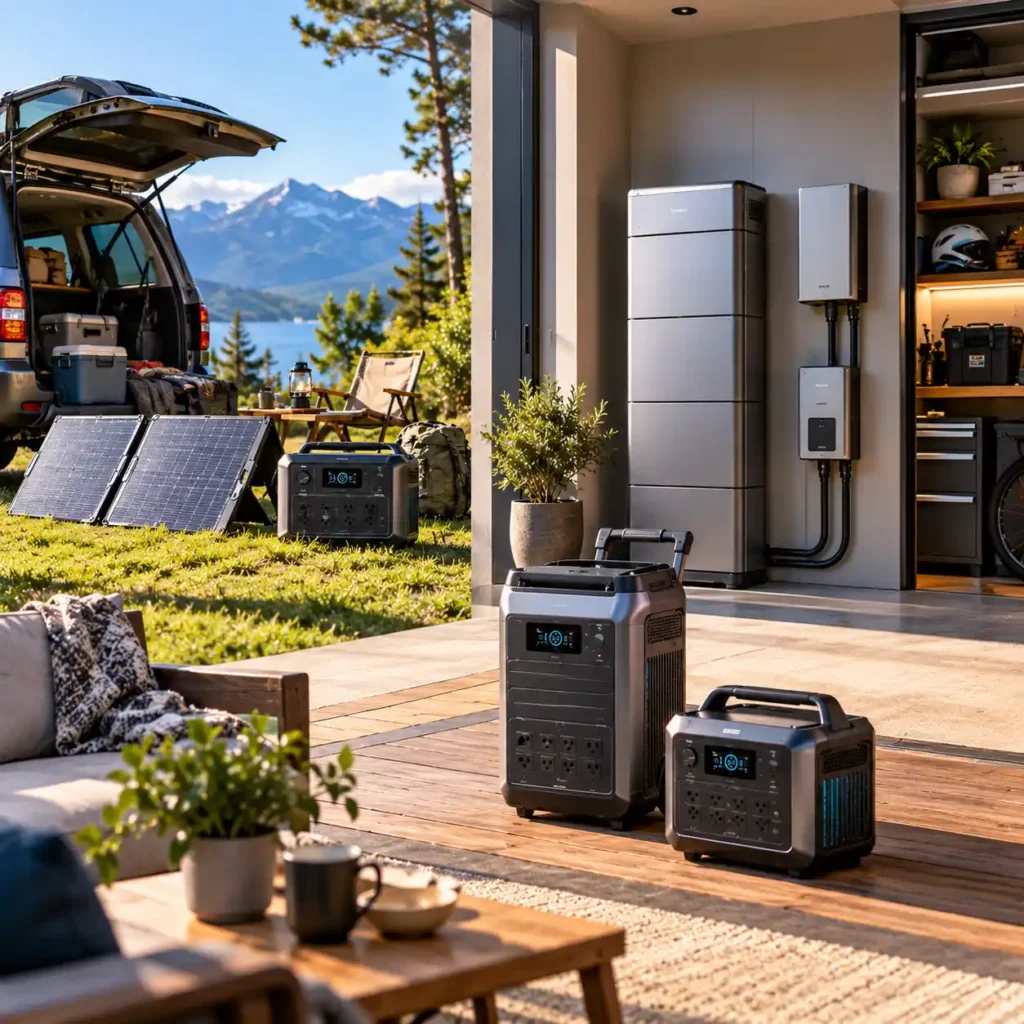
The easiest way to understand the SOLIX portfolio is by looking at its major families and the role each one plays
C Series
The C Series represents the more compact side of the portable SOLIX portfolio. These systems are aimed at users who need portable electricity for activities such as camping, travel, outdoor work, or smaller emergency loads. Configurations and capabilities vary by model, but the family is generally positioned around portability rather than permanent home-energy integration.
F Series
The F Series represents a larger segment of Anker SOLIX’s portable and backup-power portfolio. Compared with more compact systems, F Series products can provide higher energy capacity and power output, making them suitable for heavier loads and more demanding backup applications.
Some F Series configurations also extend into home-backup use. The F3800, for example, is positioned as a home-backup system that can connect with household solar and electrical infrastructure rather than functioning solely as a standalone portable battery.
If you are deciding which portable power station specifications matter for a particular use case, our How to Choose a Portable Power Station guide covers capacity, output, surge power, battery chemistry, charging, solar input, portability, and other buying considerations.
Solarbank Series
The Solarbank family focuses on **solar energy storage and household energy management** rather than portable electricity for camping or travel. Anker describes the Solarbank range as a way to store solar energy generated during the day and use it later, with intelligent energy management through the Anker app.
This makes Solarbank particularly relevant to homeowners who want to increase the amount of their residential solar generation they can use later.
X1 Home Energy System
The X1 represents Anker SOLIX’s residential energy-storage direction at the system level. Rather than focusing on portability, it is designed around solar generation, battery storage, and residential power management, including backup applications. The current SOLIX home-energy portfolio also includes the E10, a whole-home backup solution designed for residential energy storage and backup applications.
Anker SOLIX uses several overlapping ways to organize its portfolio. Product families such as the C Series, F Series, Solarbank, and X1 describe specific product platforms, while Anker’s current consumer-facing site also groups its solutions more broadly into Camping Series, Flex Series, and Home Energy Solutions. These groupings describe the portfolio at different levels rather than representing completely separate product ranges.
Anker SOLIX Technology & Energy Ecosystem
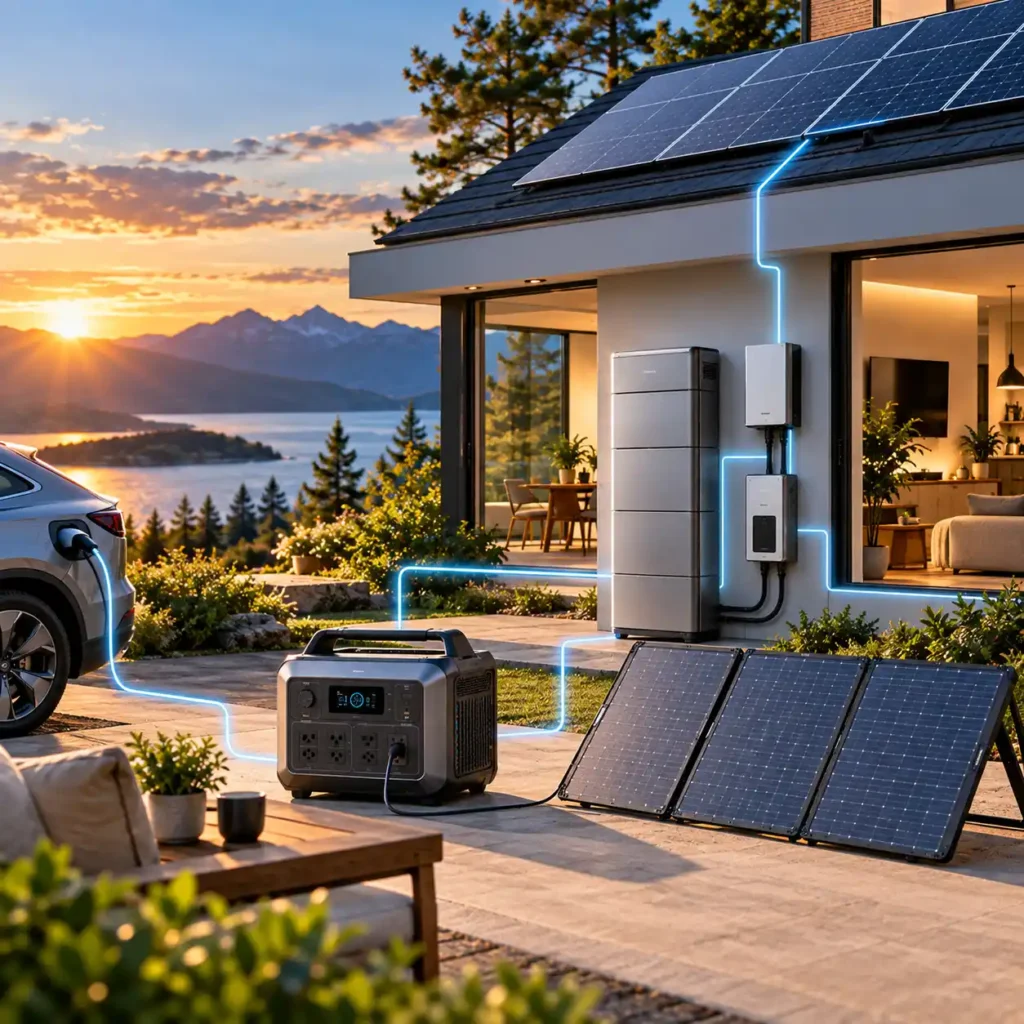
Anker SOLIX is built around more than standalone battery storage. Across its portable and home-energy products, the brand increasingly connects power generation, energy storage, monitoring, and control into a broader energy ecosystem. Anker itself describes SOLIX as the part of its business focused on home and portable energy.
For portable systems, this ecosystem can be relatively simple: a battery-based power station can be recharged from the grid or compatible solar equipment and then used to supply connected devices. Larger systems introduce additional layers, including solar generation, household energy flows, battery storage, and app-based monitoring.
The practical significance is that SOLIX products can be understood as different points within the same general energy-management approach rather than as completely unrelated devices.
Solar Input and Energy Storage
Solar charging is an important part of the SOLIX ecosystem. Compatible portable power stations can accept electricity from solar panels, while residential systems are designed around storing solar-generated energy for later household use.
For readers exploring the solar equipment used to recharge portable power systems, our Best Portable Solar Panels guide covers portable panel options, compatibility, output, portability, and practical outdoor use.
For example, Anker’s documentation for its portable systems describes solar-panel charging alongside conventional AC charging.
At the residential level, the concept becomes more comprehensive. Solar generation can be combined with battery storage so that electricity produced during periods of sunlight can remain available when solar production falls.
This distinction is important: solar charging a portable power station and integrating solar generation with a home battery are related technologies, but they are not the same installation or use case.
Energy Management
The larger SOLIX systems add energy-management functions that go beyond simply storing electricity.
Anker’s X1 documentation, for example, describes different operating modes including self-consumption, time-of-use, and off-grid operation. These modes are intended to influence when stored energy is used and how the system interacts with solar generation and the grid.
For homeowners, this can make battery storage more useful than simply keeping reserve electricity for emergencies. Depending on the system and local electricity structure, stored energy can also be part of a broader strategy for managing household consumption.
The exact capabilities depend on the particular SOLIX system, local electrical configuration, and market. They should therefore not be assumed to apply identically across the entire product range.
Anker SOLIX App & Smart Features
The Anker app is an important part of the SOLIX ecosystem because it provides a common interface for monitoring and managing supported devices.
On compatible home-energy systems, the app can provide real-time information about electricity generation, household consumption, battery status, and energy flows. Anker’s documentation for its Home Power Panel describes real-time power information together with historical data covering photovoltaic generation, household electricity, energy storage, and grid consumption.
For a user, this changes the role of the battery from a largely passive backup device into a system that can be monitored and adjusted through software.
Depending on the supported hardware, app functions can include:
- monitoring current power input and output;
- checking battery and charging status;
- viewing historical energy data;
- configuring operating modes or energy plans;
- managing supported home-energy equipment;
- receiving system information and alerts.
The available controls vary by product and region, so the app should be considered part of the supported ecosystem rather than a universal feature set across every SOLIX device.
Anker has also expanded integration possibilities beyond its own application. Its current documentation includes an officially supported Home Assistant integration for selected SOLIX storage systems and accessories, provided the relevant device and firmware requirements are met.
That is particularly relevant for technically oriented homeowners who already use a smart-home platform and want their energy system to form part of a wider automation environment.
Solar Charging and Energy Storage
Solar is central to the broader SOLIX proposition because it connects generation with storage.
With a portable power station, solar panels can serve as an alternative charging source when grid electricity is unavailable. This is particularly useful for camping, travel, remote work, or emergency preparedness.
With a residential storage system, the relationship is different. Solar energy can be generated during the day, stored in a battery, and then used later when household demand continues after solar production declines.
This creates a basic energy cycle:
Solar generation → battery storage → household consumption
The value of this approach depends on the user’s existing solar installation, electricity rates, local regulations, household consumption pattern, and the configuration of the energy-storage system.
Anker SOLIX Home Backup Solutions
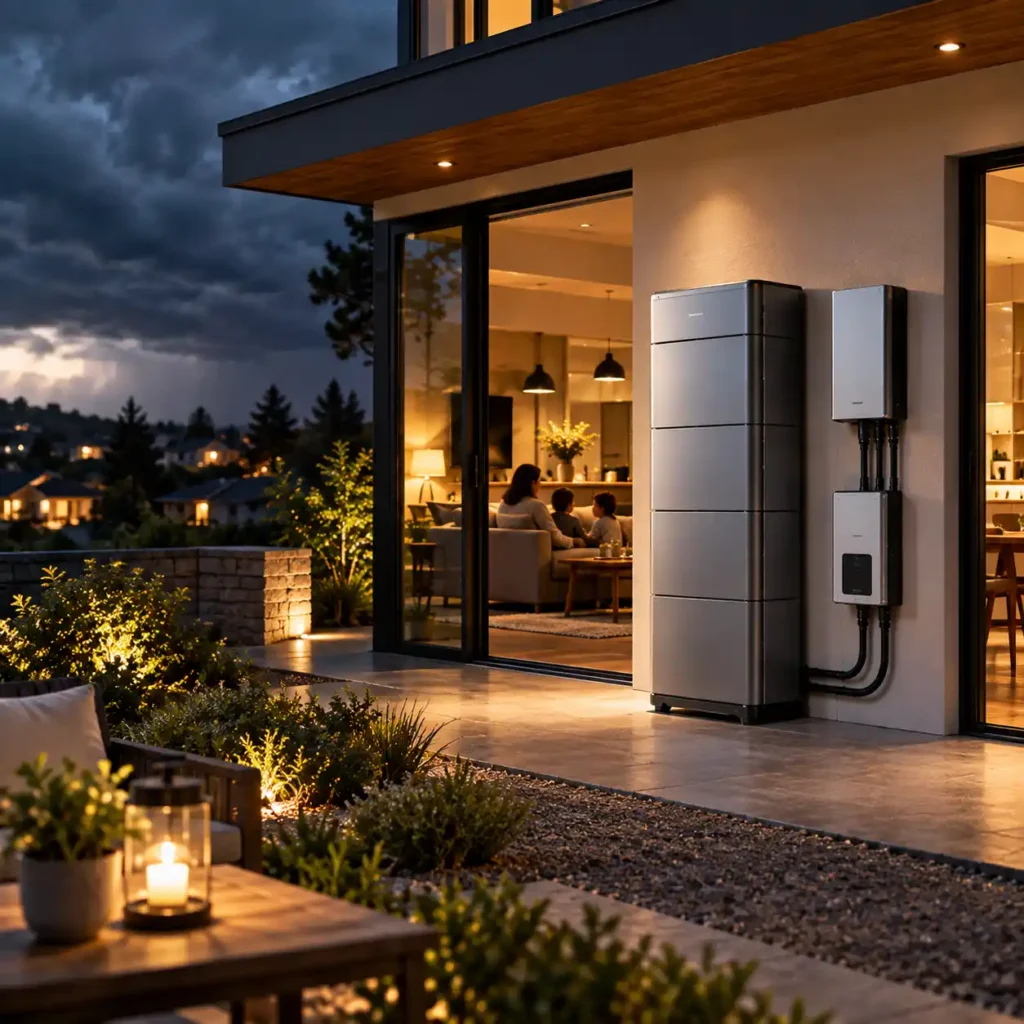
Home backup is one of the areas where Anker SOLIX moves beyond conventional portable power.
A portable power station can provide emergency electricity for selected appliances or devices. A home backup system, by contrast, can be connected to the home’s electrical infrastructure and designed around household circuits, battery storage, and potentially solar generation.
Anker’s documentation for the SOLIX Home Power Panel describes a system architecture connecting the panel with the F3800 and the home’s main electrical panel. The setup also uses the Anker app for system initialization, monitoring, and management.
This type of installation introduces considerations that do not apply to a simple portable power station:
- electrical-panel compatibility;
- transfer and backup configuration;
- installation requirements;
- local electrical codes;
- battery capacity and power requirements;
- solar integration;
- professional installation where required.
Readers comparing permanent residential battery systems can also explore our Best Home Battery Backup Systems guide, which focuses on integrated home energy storage and backup solutions.
That distinction matters for readers researching whole-home backup. A larger battery does not automatically make a portable power station equivalent to a permanently installed home-energy system.
For broader guidance on the category, readers can explore our Best Whole House Backup Power Systems guide rather than treating this Brand Profile as a home-backup buying guide.
Who Is Anker SOLIX For?
Anker SOLIX can be relevant to several different types of power users, depending on which part of the portfolio they are considering.
Outdoor and recreational users
Portable SOLIX systems can be relevant to people who need electricity while camping, traveling, working outdoors, or spending time away from conventional power outlets.
The emphasis here is portability, battery capacity, available outputs, and practical recharging options.
Homeowners preparing for power outages
Users who want backup electricity for essential household devices may consider SOLIX portable systems or larger home-backup configurations, depending on their electrical requirements.
The important question is not simply whether a system can provide backup power, but how much of the home needs to remain operational and how the backup system will connect to the home’s electrical infrastructure.
Before choosing a system, readers can use our How Much Power Do You Really Need? guide to understand running watts, surge power, watt-hours, runtime, and practical power-station sizing.
Solar-equipped homeowners
SOLIX’s residential storage products are relevant to homeowners who want to store solar-generated electricity rather than use it only when the panels are actively producing power.
This audience is more concerned with energy storage, solar integration, consumption patterns, and household energy management than with portability.
Users interested in app-based energy monitoring
The SOLIX ecosystem may also appeal to people who want visibility into energy production, consumption, and battery behavior through software. Supported systems can provide real-time and historical energy information through the Anker app
Who May Want to Consider Other Brands?
Anker SOLIX will not necessarily be the right fit for every power requirement.
Users looking for a very small, lightweight emergency battery may not need the broader ecosystem offered by a brand that also operates in home energy storage.
Likewise, homeowners planning a permanent solar-plus-storage installation should evaluate the complete system rather than choosing a brand based solely on the reputation of its portable power stations. Electrical compatibility, installer availability, local support, warranty terms, system architecture, and regional availability can all matter.
Users who prioritize a particular inverter platform, battery ecosystem, smart-home integration, or local installer network may also find that another energy-storage brand better matches their existing setup.
The appropriate comparison therefore depends on the type of energy system being built, not simply on the brand name.
Anker SOLIX Strengths and Limitations
Strengths
- Broad portfolio: SOLIX covers portable power as well as solar storage and residential backup.
- Connected ecosystem: Supported products can be managed and monitored through the Anker app.
- Solar integration: Solar charging is available across relevant portable and home-energy applications.
- Scalable approach: The portfolio ranges from portable systems to larger residential energy-storage configurations.
- Energy monitoring: Supported home systems can provide detailed information about generation, consumption, storage, and grid interaction.
- Smart-home integration: Selected SOLIX storage systems can integrate with Home Assistant under the supported requirements.
Limitations
- Different products serve very different purposes: A portable power station should not be evaluated using the same criteria as a residential energy-storage system.
- Home installations are more complex: Larger backup systems can involve electrical-panel integration, installation requirements, and local code considerations.
- Features vary by model and region: App functions, solar compatibility, warranty terms, and system availability should be checked for the specific product and market.
- A broad ecosystem can add complexity: Users who only need simple portable power may not benefit from the additional home-energy functionality.
Anker SOLIX Warranty & Customer Support
Warranty terms should be checked for the specific SOLIX product and market rather than assuming that every Anker SOLIX device has identical coverage.
Anker provides a dedicated warranty process and states that warranty periods can be verified through its product documentation or customer-service team. Warranty coverage, duration, and support arrangements vary by product and region, so buyers should verify the policy for the exact SOLIX model and market. For purchases made through authorized resellers, Anker directs customers to contact the reseller directly.
Anker also provides product manuals, FAQs, troubleshooting resources, and customer-support channels. For more complex home-energy systems, the available documentation is particularly important because installation and system configuration can involve multiple components.
Before purchasing a SOLIX system for home backup, buyers should verify:
- the warranty period for the exact model;
- which components are covered;
- regional warranty conditions;
- who provides installation support;
- how repairs or replacements are handled;
- whether the desired system is officially supported in the user’s market.
This is especially important for residential energy-storage systems because the purchase involves considerably more than a standalone consumer electronic device.
Popular Anker SOLIX Products
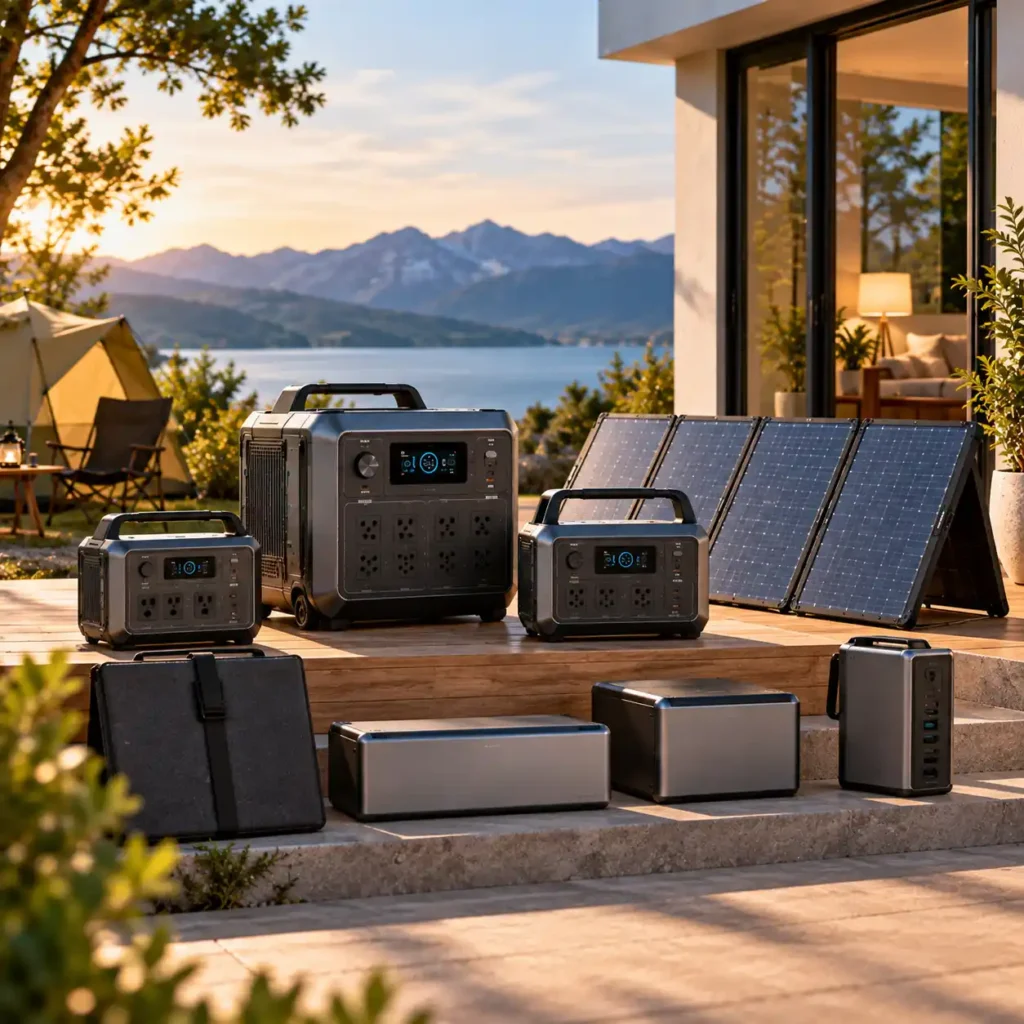
This section is intended as navigation, not a ranking. The products below represent different parts of the SOLIX portfolio rather than a list of winners.
- Anker SOLIX C Series — compact portable power systems for outdoor use, travel, and smaller backup requirements.
- Anker SOLIX F Series — higher-capacity portable and backup-oriented systems, including configurations designed to extend into home backup.
- Anker SOLIX Solarbank — residential solar energy storage focused on storing and managing solar-generated electricity.
- Anker SOLIX X1 — a larger residential energy-storage platform designed around solar, battery storage, and home energy management.
- Anker SOLIX E10 — a whole-home backup system designed for residential energy storage and backup applications.
For readers who want to compare actual products, those comparisons should be handled on dedicated PWRG buying guides and reviews rather than here.
Anker SOLIX Guides, Reviews & Comparisons
Anker SOLIX is part of a broader Power Ready Guide coverage structure that separates brand information from product selection and technical buying advice.
The Anker SOLIX Brand Profile explains who the brand is and how its energy portfolio is organized, while our dedicated category guides cover specific purchasing decisions, system requirements, and technical considerations. This separation helps readers move from understanding the brand to evaluating the type of power or energy system that fits their needs.
Frequently Asked Questions
What is Anker SOLIX?
Anker SOLIX is Anker’s dedicated energy brand focused on portable power, solar energy storage, and home backup. Its portfolio ranges from portable power stations to residential battery-storage systems.
Is Anker SOLIX the same as Anker?
Anker SOLIX is part of Anker Innovations, but it is specifically focused on power and energy solutions. The broader Anker brand also covers other consumer-technology categories, while SOLIX concentrates on portable and home energy.
Is Anker SOLIX good for home backup?
Anker SOLIX offers both portable and residential backup solutions. The appropriate system depends on whether the goal is to power selected essential devices or provide backup for a larger portion of the home’s electrical system. Larger installations may require transfer equipment, electrical-panel integration, and professional installation.
Can Anker SOLIX be used with solar panels?
Yes. Compatible SOLIX systems can use solar energy for charging or energy storage. Portable power stations can accept solar input, while residential systems such as Solarbank are designed to store solar-generated electricity for later use. The exact solar-input configuration depends on the specific system.
Does Anker SOLIX have a home battery system?
Yes. Anker SOLIX offers residential energy-storage systems in addition to portable power stations. These systems are designed to store electricity and can be integrated with solar generation and home backup configurations, depending on the model and market.
Can Anker SOLIX power a whole house?
Some Anker SOLIX home-backup configurations are designed for whole-home backup, while smaller portable systems are intended for selected appliances or essential circuits. Whole-home operation depends on the system’s power output, battery capacity, electrical configuration, and appropriate transfer or power-panel equipment.
Does Anker SOLIX have an app?
Yes. Supported SOLIX systems can be monitored and controlled through the Anker app. Depending on the product, the app can provide information about battery status, solar generation, household consumption, charging, and energy use. Features vary between products and regions.
Can Anker SOLIX work without solar panels?
Yes. Solar panels are not required for every SOLIX system. Portable power stations can generally be charged from the electrical grid, while compatible home-storage systems can also use grid electricity depending on their configuration. Solar integration is an additional capability rather than a universal requirement.
How long does an Anker SOLIX battery last?
Battery life depends on the specific SOLIX product, battery chemistry, operating conditions, and charging pattern. Anker publishes product-specific cycle and warranty information rather than one battery-life figure for the entire SOLIX range. For example, Anker currently states that the E10 retains 80% of its capacity after 4,000 charge cycles.
Is Anker SOLIX available for both portable and home energy use?
Yes. This is one of the defining characteristics of the SOLIX portfolio. The brand covers portable power for outdoor and emergency use as well as solar storage and larger residential backup systems. The appropriate product family depends on whether portability, solar self-consumption, or home backup is the primary requirement.
Our Take on Anker SOLIX
Anker SOLIX is best understood as a broad energy brand rather than simply a portable power station manufacturer. Its portfolio now spans portable battery power, solar charging, residential energy storage, and home backup, with software increasingly connecting these systems through monitoring and energy-management features.
That breadth is useful because different power needs can sit within the same overall ecosystem. At the same time, the products should not be evaluated as though they were interchangeable. A portable power station for outdoor use, a solar-storage system, and a residential backup installation solve different problems and can require different purchasing criteria.
For Power Ready Guide readers, the most useful way to understand Anker SOLIX is through its different use cases and system types. The brand covers a wide range of energy needs, but each SOLIX family should be considered according to its intended application, level of integration, and energy-management requirements.
Final Navigation
If you’re researching Anker SOLIX because you need reliable backup electricity, the next step should be to identify the type of system you actually need. Our dedicated category guides cover portable power stations, home backup systems, solar batteries, and related equipment in more detail than a brand profile can.
This keeps the role of this page clear: Anker SOLIX explains the brand and its energy ecosystem; the dedicated PWRG guides handle product selection and category comparisons.
Sources
- Anker Innovations — About Anker — Official information about Anker SOLIX as Anker’s home and portable energy brand. Anker Innovations — About Anker
- Anker SOLIX — Power Solutions — Official overview of SOLIX portable power, solar energy, and home-energy solutions. Anker SOLIX — Power Solutions
- Anker SOLIX X1 — Energy Storage System — Official information about the X1 residential energy-storage system, including its modular architecture and home-energy applications. Anker SOLIX X1 — Energy Storage System
- Anker SOLIX F3800 Home Power System — Official information about home backup, solar integration, AC coupling, and the Home Power Panel. Anker SOLIX F3800 Home Power System
- Anker SOLIX — Home Assistant Integration — Official documentation for the supported Home Assistant integration, compatible devices, and local Modbus TCP connection. Anker SOLIX Home Assistant Integration
- Anker SOLIX X1 Warranty Policy — Official warranty information, including product-specific warranty periods and regional conditions. Anker SOLIX X1 Warranty Policy