
Goal Zero is a power and energy brand best known for its Yeti portable power stations, solar products, and integrated backup solutions. The company’s current portfolio extends beyond standalone battery power to include solar generators, home backup systems, power banks, lighting, electric coolers, and related accessories.
The Yeti family remains central to the brand, but Goal Zero’s current product architecture is broader than a single line of portable batteries. Its products are designed around different combinations of portable power, solar recharging, outdoor use, emergency preparedness, and home energy backup.
For Power Ready Guide readers, understanding Goal Zero as a brand and ecosystem is useful before comparing individual Yeti models or evaluating a specific backup configuration.

Table of Contents
Goal Zero at a Glance
Goal Zero’s current portfolio centers on portable power, solar generation, and backup energy, with the Yeti family serving as its principal power-station platform. The brand also sells power banks, lights and lanterns, electric coolers, solar panels, and home-backup components.
| Attribute | Goal Zero |
|---|---|
| Brand | Goal Zero |
| Founded | 2009 |
| Main Categories | Portable power stations, solar products, home backup, power banks, lighting, electric coolers |
| Best Known For | Yeti portable power stations and solar-powered portable energy systems |
| Key Ecosystem | Yeti power stations, solar panels, expansion batteries, and home integration solutions |
| Warranty | Up to 5 years, depending on product and market |
Goal Zero states that it was founded in 2009 and has developed its business around portable and sustainable power, while its current portfolio has expanded into home and vehicle integration and larger energy-storage systems.
About Goal Zero
Goal Zero was founded in 2009 following earlier humanitarian work involving solar power, batteries, and lighting. The company initially developed portable energy solutions designed to provide basic power and light in areas without reliable electricity, before expanding into outdoor and consumer power products.
The company introduced the Escape 150 Portable Power Station in 2009 and later expanded the Yeti platform into a broader range of portable power stations, solar products, and energy-storage solutions. Over time, Goal Zero also developed connected features and home integration options that extended the use of its portable power systems beyond outdoor applications.
Goal Zero was acquired by NRG Energy in 2014. In April 2025, BioLite acquired Goal Zero from NRG Energy. Goal Zero continues to operate as a distinct brand under BioLite ownership, while the two brands combine core business operations and maintain separate brand identities.
Today, Goal Zero’s portfolio extends beyond portable power stations to include solar panels and solar generators, power banks, home backup solutions, lights and lanterns, electric coolers, and related outdoor equipment. The Yeti family remains a central part of the brand’s current product portfolio.
What Is Goal Zero Known For?
Yeti Portable Power Stations
The Yeti name is the central power-station platform within Goal Zero’s portfolio. Current Yeti products cover several capacity and output classes, from compact portable models through substantially larger systems intended for home backup and off-grid applications.
This is important when evaluating Goal Zero because “a Goal Zero power station” does not describe one particular type of product. The current Yeti range spans different sizes, use cases, battery technologies, output capabilities, and levels of integration.
Portable Solar Power
Solar charging is another major part of the Goal Zero ecosystem. The company sells solar panels designed to work with its portable power products, allowing a Yeti power station to be recharged away from the electrical grid. Current Goal Zero solar offerings include Nomad, Boulder, Ranger, and Flex product families.
Readers comparing portable solar options beyond the Goal Zero ecosystem can also see Best Portable Solar Panels (2026) for a broader look at current portable panel choices.
Goal Zero also packages power stations and solar panels together as solar generator systems, making solar generation part of the overall product ecosystem rather than a completely separate category.
Home Backup
Goal Zero has also developed portable-energy systems for residential backup. Readers comparing portable battery solutions for outages can explore Best Portable Power Stations for Home Backup (2026) for a broader category-level comparison. Its current home-backup configurations can combine a Yeti power station, a home integration component, optional expansion batteries, and solar panels.
That gives Goal Zero a position between simple portable battery power and more integrated home energy storage. The practical distinction is important: a portable Yeti used through its outlets is a different type of solution from a system connected to selected household circuits.
Outdoor and Off-Grid Power
Goal Zero’s product positioning continues to emphasize outdoor use. Its current Yeti products are marketed for camping, emergency preparedness, RV/van applications, and off-grid use, while newer models add weather resistance and more durable construction intended for outdoor environments.
This outdoor orientation remains an important part of how the brand differentiates its portfolio from products designed primarily as stationary residential batteries.
Goal Zero Product Categories
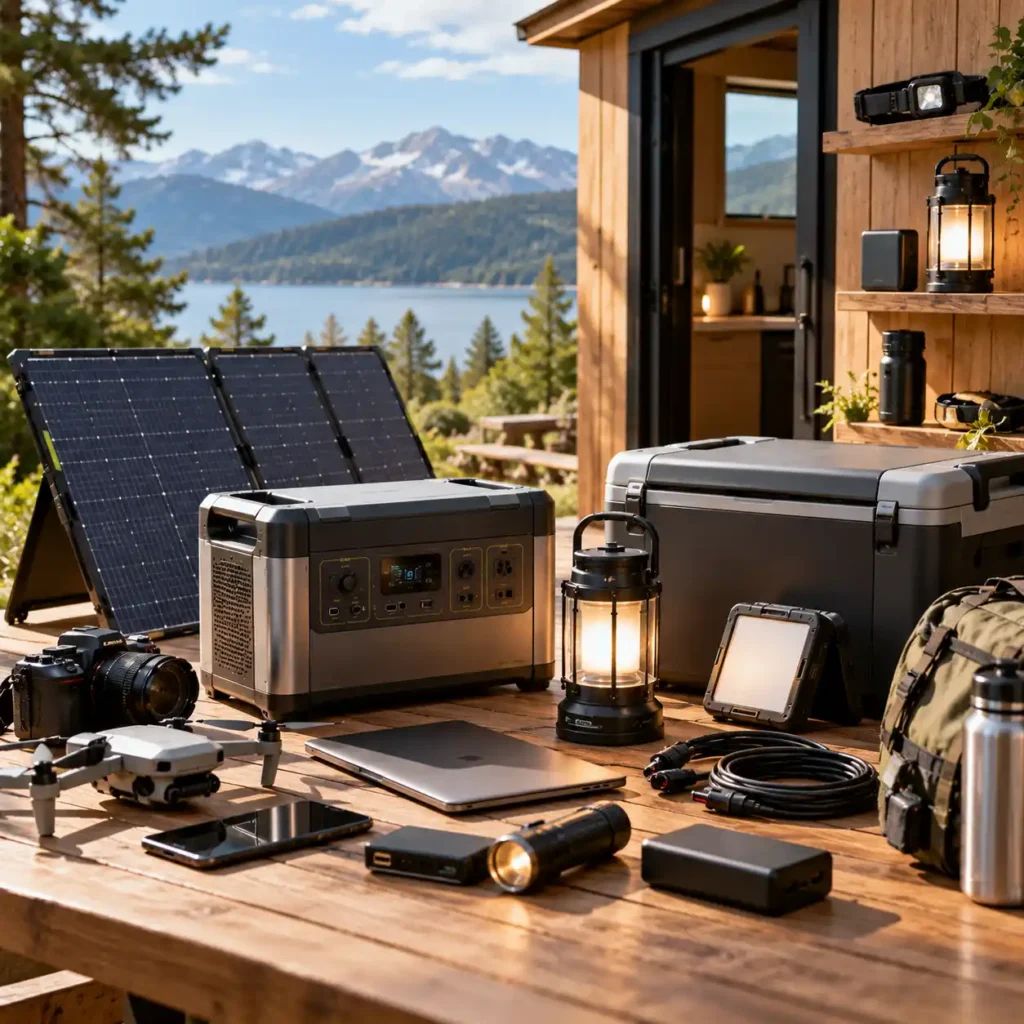
Goal Zero’s current portfolio can be understood as several connected categories rather than a collection of unrelated products.
Portable Power Stations
Portable power stations are the core of the Goal Zero portfolio. The Yeti family includes multiple generations and capacity classes, with current products ranging from compact units to much larger systems.
These products store electrical energy and deliver it through AC, DC, USB, and other outputs depending on the model.
For outdoor users, this can mean powering electronics, appliances, lighting, or other equipment away from the grid. For emergency users, the same basic technology can provide temporary backup power.
The appropriate Yeti model depends heavily on the intended load, runtime requirement, portability, and charging method. For a broader framework covering these factors, see How to Choose a Portable Power Station Those are product-selection questions rather than the purpose of this Brand Profile.
Solar Panels and Solar Generators
Solar is integrated into the Goal Zero ecosystem through portable and other solar-panel products. The company offers panels under families including Nomad, Boulder, Ranger, and Flex.
Goal Zero also sells configurations combining solar panels with Yeti power stations. These systems are designed to store solar-generated electricity for later use rather than requiring the connected equipment to operate only while the panels are producing power.
Home Backup Solutions
Goal Zero’s home-backup category extends the Yeti concept into residential applications.
According to Goal Zero, an integrated home-backup system can consist of a portable power station, a home integration kit connected to selected circuits, and optional expansion batteries. Solar panels can be added to recharge the system.
This approach differs from a permanently installed whole-home battery system. The specific level of backup depends on the equipment configuration and the circuits being supported.
Power Banks
Goal Zero also sells smaller battery products designed primarily for personal electronics. These products occupy a different part of the portfolio from Yeti power stations but remain consistent with the company’s broader portable-energy focus.
Lights and Lanterns
Lighting has been part of Goal Zero’s product history since its early humanitarian and outdoor products. The current portfolio continues to include lights and lanterns, including products designed to work alongside the company’s portable power systems.
Electric Coolers and Outdoor Equipment
Goal Zero’s current range also includes electric coolers and other outdoor-oriented products. Some are specifically marketed as accessories or complementary products for Yeti power stations, reinforcing the brand’s focus on portable outdoor energy rather than battery storage alone.
Goal Zero Product Lines
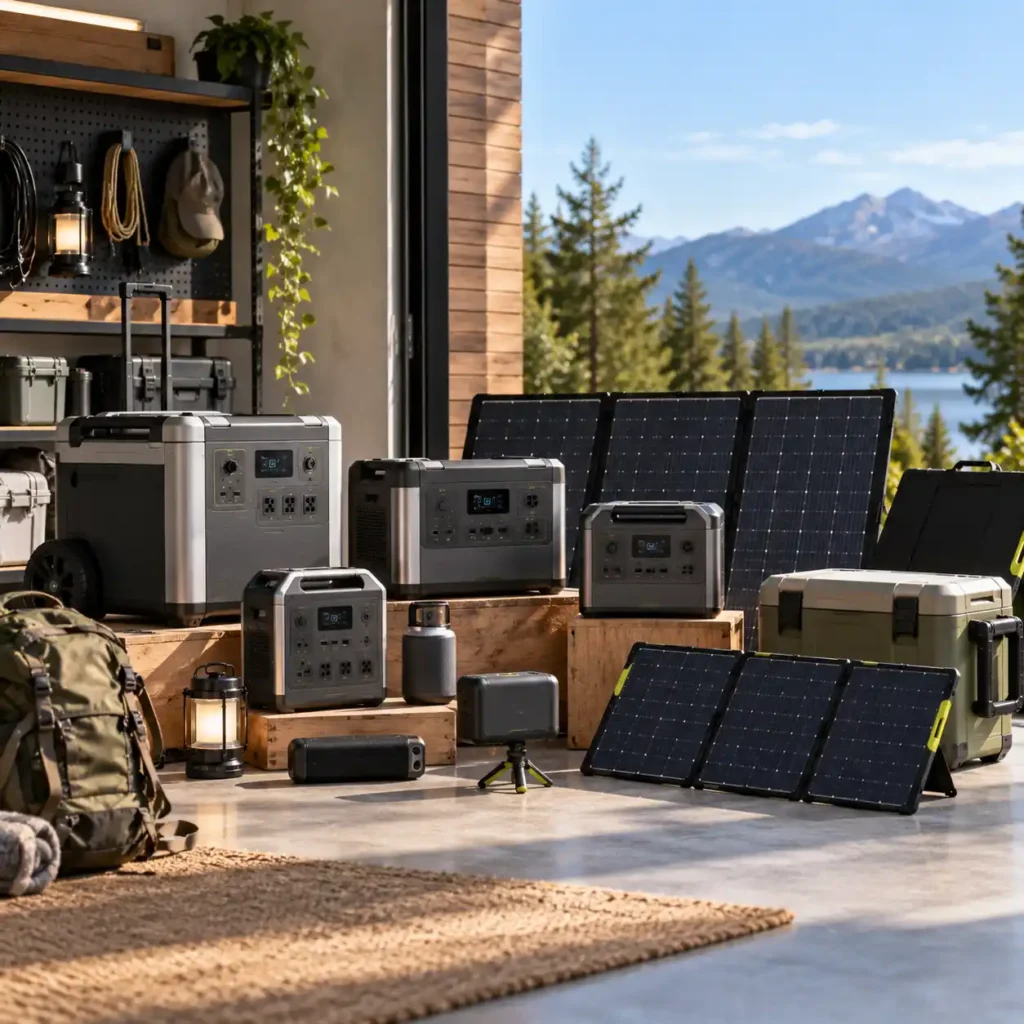
The easiest way to understand Goal Zero’s product architecture is to look at the Yeti family and the systems built around it, rather than treating every model as an independent product category.
Yeti 6th Generation
Goal Zero’s current sixth-generation Yeti range includes models such as the Yeti 300, Yeti 500, Yeti 700, Yeti 1000, and Yeti 1500. The Yeti 1000 also places Goal Zero directly within the popular 1,000Wh portable power category, which is covered separately in Best 1000Wh Portable Power Stations (2026). These products span different capacity and output levels while sharing the broader Yeti platform concept.
The sixth-generation Yeti family uses LiFePO4 (LFP) battery technology and places greater emphasis on outdoor durability and faster charging. For example, Goal Zero’s new Yeti 1500 is positioned as an outdoor-oriented power station with IPX4 weather resistance and a 2,000W inverter.
The important point for a brand-level overview is not which individual model is best. It is that Goal Zero uses the Yeti family to cover different levels of portable power within one recognizable platform.
Yeti PRO
The Yeti PRO range represents a higher-capacity segment of Goal Zero’s ecosystem.
The Yeti PRO 4000 is positioned for professional-grade backup, home use, work, and off-grid applications. Goal Zero also offers the Tank PRO 4000 expansion battery, with the company presenting connected Yeti PRO and Tank PRO units as larger-capacity energy systems.
This is an important distinction within the portfolio: the Yeti range is not limited to lightweight camping power. Goal Zero also addresses higher-demand applications where capacity and expansion become more important.
Solar Product Families
Goal Zero’s solar portfolio includes several established product families rather than one universal panel design. Nomad products emphasize portable solar, while Boulder products include more rigid, durable panel formats. Ranger and Flex provide additional form factors within the brand’s solar offering.
The practical value of these product families is that users can select a solar format based on portability, installation style, and intended Yeti configuration.
Integrated Backup Systems
At the larger end of the ecosystem, Goal Zero combines power stations, expansion batteries, solar charging, and home integration components into backup configurations.
This is where the brand’s product architecture becomes more than a collection of portable batteries: individual components can be combined into a broader energy system depending on the user’s requirements.
Goal Zero Technology & Ecosystem
Goal Zero’s technology story is best understood through the way its products connect.
Yeti Power Station → Portable Energy
Feature: Battery-powered portable energy platform
What it does: Stores electrical energy and provides multiple output types depending on the model.
Why it matters: The same platform can serve outdoor, emergency, RV, and selected home-backup applications.
Solar Charging → Renewable Recharging
Feature: Compatible Goal Zero solar panels
What it does: Converts solar energy into electrical energy that can recharge compatible Yeti systems.
Why it matters: Users can reduce dependence on grid or vehicle charging when adequate sunlight is available.
Expansion Batteries → Greater Stored Energy
Feature: Expansion products such as Tank PRO 4000
What it does: Adds storage capacity to compatible larger systems.
Why it matters: Expansion allows the energy-storage system to scale beyond the capacity of a single power station.
Home Integration → Circuit-Level Backup
Feature: Home integration equipment
What it does: Connects compatible Goal Zero backup equipment to selected household circuits.
Why it matters: This moves the system beyond plugging individual appliances directly into a power station and toward managed residential backup.
App and Connected Features
Goal Zero has also incorporated connectivity into the Yeti ecosystem. Its company history records the introduction of Wi-Fi compatibility and remote power-control capabilities in 2018.
The practical importance of connected features depends on the specific product generation. They should therefore be evaluated at the model level rather than assumed to be identical across every Yeti product.
Who Is Goal Zero Best For?
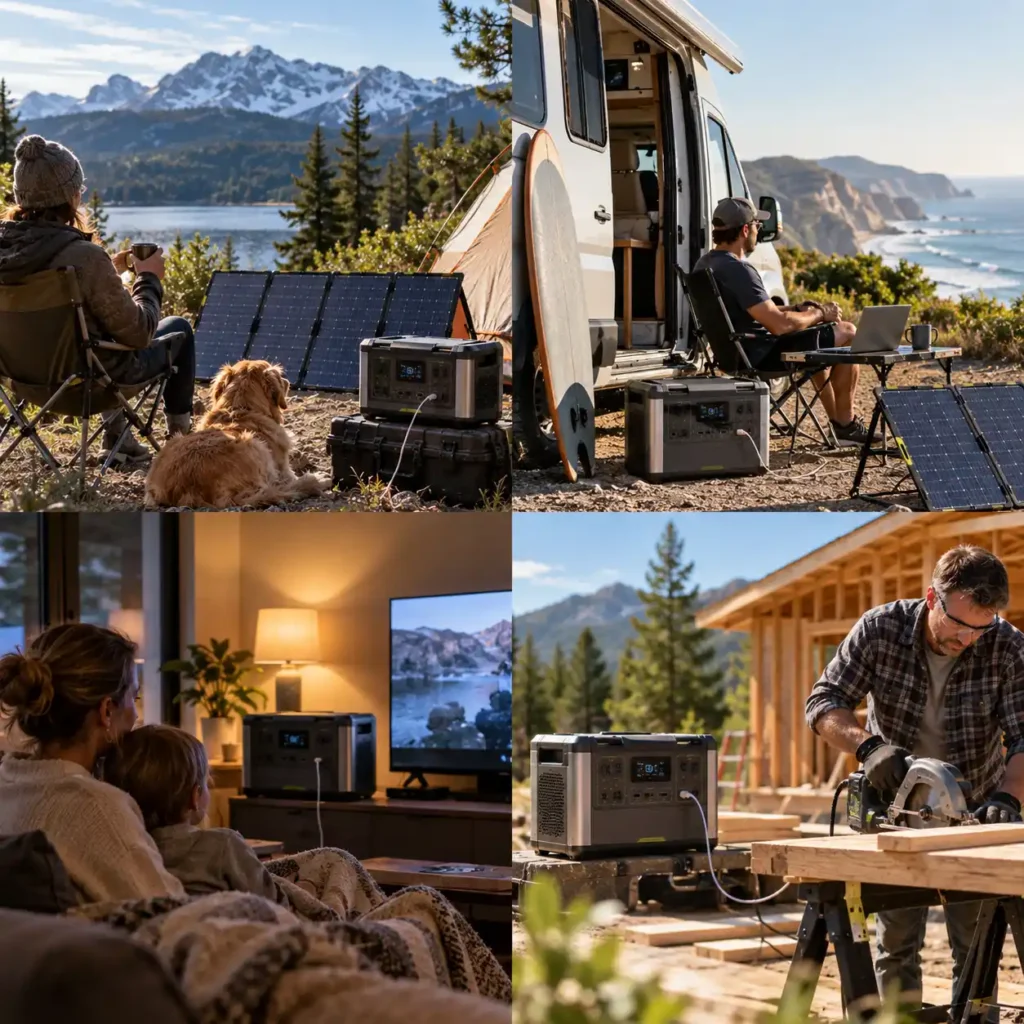
Goal Zero’s current portfolio may be particularly relevant to several types of users.
Campers and Outdoor Users
Goal Zero has a long-standing outdoor orientation, and current Yeti products are explicitly positioned for camping and outdoor use. Newer models such as the Yeti 1500 also emphasize weather resistance and rugged construction.
RV and Van Users
The combination of portable battery storage, solar charging, and multiple output types can make the Yeti ecosystem relevant to RV and van applications. Readers specifically planning an RV setup can also compare Best Portable Power Stations for RV (2026). Goal Zero’s product filters specifically include RV/Van as a use case.
Emergency-Preparedness Users
A Yeti power station can provide stored electricity during an outage, while compatible solar and home-backup components can extend the system’s usefulness. Goal Zero explicitly positions its products for emergency preparedness and home backup.
Users Interested in Portable Solar Power
Goal Zero may also appeal to users who want a portable battery system that can be paired with dedicated solar panels rather than relying exclusively on AC charging.
Homeowners Considering Expandable Backup
The larger Goal Zero systems are relevant to homeowners who want more than a portable power station but do not necessarily want the same type of permanently installed battery architecture used by some residential energy-storage systems.
The suitability depends on the home’s electrical configuration, required loads, installation requirements, and local regulations.
Who May Want to Consider Other Brands?
Goal Zero’s broad ecosystem is not automatically the right fit for every power requirement.
Users whose primary goal is choosing the least expensive portable power station for a particular capacity class may want to compare Goal Zero directly with competing products in the same category rather than assuming the wider ecosystem provides the best value for their needs.
Similarly, someone looking specifically for a permanently installed whole-home battery system may need to compare Goal Zero’s home-backup architecture with brands focused primarily on residential energy storage.
Product availability and warranty support also vary by market. Goal Zero states that U.S. warranty services are handled directly for qualifying purchases, while international warranty service is directed through authorized retailers.
Finally, users who only need a small battery for phones or other personal electronics may have little reason to consider a larger Yeti-based ecosystem.
Goal Zero Strengths and Limitations
Strengths
Broad portable-energy ecosystem.
Goal Zero’s portfolio extends from small power banks and lighting to Yeti power stations, solar products, expansion storage, and home backup systems.
Strong connection between portable power and solar.
The company offers both the battery systems and solar products intended to work with them, including packaged solar-generator configurations.
Outdoor-oriented product design.
Current Yeti products place significant emphasis on portable use, durability, and outdoor applications.
Scalable higher-capacity systems.
The Yeti PRO and Tank PRO combination illustrates how Goal Zero extends the platform into larger energy-storage configurations.
Limitations
The portfolio can be complex.
Goal Zero sells multiple generations, product families, capacities, battery chemistries, and system configurations. Buyers therefore need to check the exact generation and compatibility of the product they are considering.
Not every product serves the same purpose.
A compact Yeti, a larger Yeti PRO system, and a home-backup configuration should not be evaluated using the same criteria.
Warranty terms vary.
Goal Zero’s warranty coverage ranges from six months to five years depending on product type, battery chemistry, and purchase circumstances.
International support can differ from U.S. support.
Goal Zero’s published warranty information states that international warranty service is handled through authorized retailers rather than directly through Goal Zero’s U.S. warranty service.
Goal Zero Warranty & Customer Support
Goal Zero’s current published warranty structure varies substantially by product category and generation.
The company’s current warranty page lists up to five years of coverage for its sixth-generation Yeti power stations, including the Yeti 1500, Yeti 1000, Yeti PRO 4000, Tank PRO 4000, Yeti 700, Yeti 500, and Yeti 300.
By contrast, many older Yeti products and products using NMC battery chemistry are listed with two-year coverage. Goal Zero-branded solar panels are also listed with a two-year warranty, while certain lead-acid batteries have a substantially shorter warranty period.
This makes the exact product generation important when checking warranty coverage.
For U.S. customers, Goal Zero states that warranty services are provided directly by the company for qualifying purchases made from Goal Zero or authorized retailers in the continental United States. International warranty service is directed to the authorized retailer from which the product was purchased.
The company’s official support resources should therefore be checked before purchase, particularly for older products, international purchases, and products sold through third-party retailers.
Popular Goal Zero Products
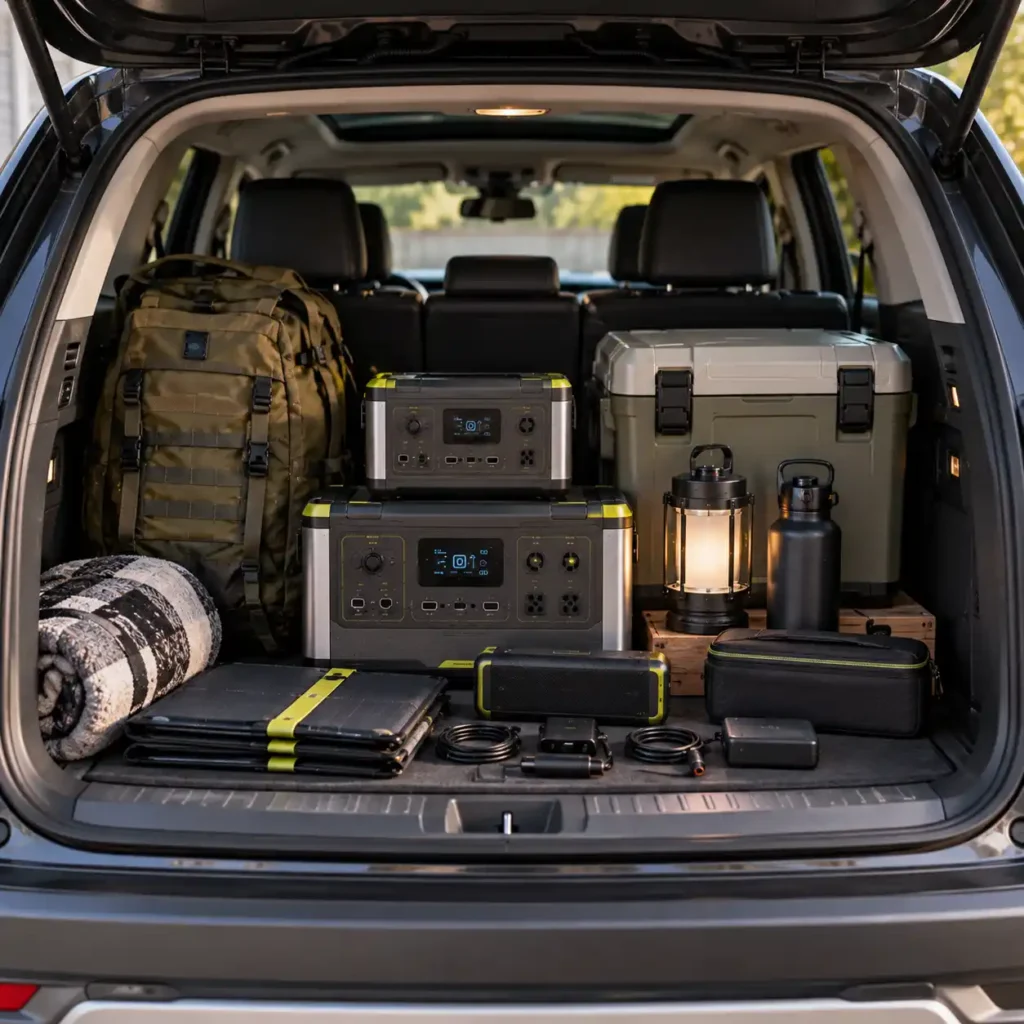
This section is intended as a navigation overview, not a product ranking.
Yeti 1500
The current sixth-generation Yeti 1500 is a 1,505Wh portable power station positioned for outdoor use, emergencies, and other applications requiring substantial portable power. Goal Zero highlights its 2,000W inverter, 900W solar input, IPX4 rating, and faster charging.
Yeti 1000
The sixth-generation Yeti 1000 provides a smaller capacity class than the Yeti 1500 while retaining the broader Yeti portable-power concept. Goal Zero lists it with a 998Wh capacity and 2,000W AC output.
Yeti 700
The Yeti 700 is part of the sixth-generation Yeti range and is positioned for camping, emergency preparedness, and general portable power.
Yeti PRO 4000
The Yeti PRO 4000 represents Goal Zero’s higher-capacity portable and backup segment. It can also be paired with the Tank PRO 4000 for substantially greater stored energy.
These products illustrate the range of Goal Zero’s portfolio; they are not ranked here.
Goal Zero Guides, Reviews & Comparisons
Power Ready Guide already covers several categories that help readers evaluate the equipment surrounding Goal Zero’s portfolio.
Portable Power
For readers comparing the wider portable power category:
- Best Portable Power Stations for Home Backup (2026) — category-level comparison for home backup.
- Best Portable Power Stations for RV (2026) — portable power for RV applications.
- Best 1000Wh Portable Power Stations (2026) — comparison within a specific capacity class.
- How to Choose a Portable Power Station — broader buying guidance.
- How Much Power Do You Really Need? — sizing considerations before selecting a power station.
Solar and Backup
Readers evaluating the solar side of the Goal Zero ecosystem can also explore:
- Best Portable Solar Panels (2026)
- Best Rigid Solar Panels (2026)
- Best Solar Batteries for Home Backup (2026)
- Best Home Battery Backup Systems (2026)
These pages serve different search intents from this Brand Profile: they help readers evaluate categories and technologies rather than understand Goal Zero as a company.
Frequently Asked Questions About Goal Zero
Is Goal Zero a good brand?
Goal Zero is an established portable-energy brand with a product portfolio spanning Yeti portable power stations, solar products, home backup systems, power banks, lighting, and outdoor equipment. Whether a particular Goal Zero product is a good fit depends on the user’s required capacity, portability, charging options, intended application, and budget.
What is Goal Zero best known for?
Goal Zero is best known for its Yeti portable power stations and the ecosystem built around portable battery power and solar charging. The company also offers solar generators, home backup solutions, power banks, lighting, and other outdoor-energy products.
What is a Goal Zero Yeti?
A Goal Zero Yeti is a portable power station that stores electrical energy in a rechargeable battery and provides power through different AC, DC, USB, and other outputs depending on the model. The current Yeti range covers several capacity and power classes, from compact portable units to larger systems designed for backup applications.
Can a Goal Zero Yeti power a refrigerator, CPAP machine, or other appliances?
Yes, compatible Yeti models can power devices such as refrigerators, CPAP machines, TVs, lights, laptops, cameras, and power tools. The specific device must remain within the Yeti’s continuous output capability, and runtime depends on the appliance’s actual energy consumption and the capacity of the power station.
Can Goal Zero Yeti power stations be used for home backup?
Yes. Goal Zero offers home-backup configurations that can connect compatible Yeti power stations to selected household circuits through a Home Integration Kit. Larger systems can also incorporate expansion storage and solar charging. The exact backup capability depends on the Yeti model and home configuration.
Can you charge a Goal Zero Yeti with solar panels?
Yes. Goal Zero Yeti power stations can be paired with compatible Goal Zero solar panels for solar charging. Charging time varies according to the Yeti model, solar-panel capacity, sunlight conditions, and configuration. Goal Zero’s current 2026 support documentation provides different charging estimates for 200W and 400W solar inputs on the Yeti 1000 and 1500.
What type of battery does the new Goal Zero Yeti use?
Goal Zero’s sixth-generation Yeti 1000 and Yeti 1500 use LiFePO₄ (lithium iron phosphate) battery chemistry. Goal Zero describes this chemistry as providing long cycle life and improved safety compared with earlier battery technologies used in some Yeti generations.
Are the new 6th-generation Goal Zero Yeti power stations compatible with older accessories?
Compatibility depends on the accessory. Goal Zero states that the 6th-generation Yeti 1000 and 1500 remain compatible with its legacy HPP and 8mm solar panels and cables, but they are not compatible with expansion modules or external expansion batteries from previous Yeti generations.
Does Goal Zero have an app for its Yeti power stations?
Yes. The Goal Zero Yeti App can provide functions such as monitoring power input and output, checking battery status, controlling compatible ports, managing charging settings, and installing firmware updates. Available app features depend on the specific Yeti generation and model.
What is the warranty on Goal Zero products?
Goal Zero warranty coverage varies by product and generation. Current sixth-generation Yeti power stations, including the Yeti 300, 500, 700, 1000, 1500, Yeti PRO 4000, and Tank PRO 4000, are listed with five-year warranties. Many older Yeti products and Goal Zero solar panels have two-year coverage, while some lead-acid and open-box products have shorter warranty periods. International warranty service can also differ from U.S. service.
Our Take on Goal Zero
Goal Zero is best understood as a portable-energy ecosystem built around the Yeti platform, rather than simply a company that sells individual battery power stations. Its current portfolio connects portable power, solar charging, outdoor equipment, and increasingly larger backup configurations.
The breadth of the portfolio can be useful for users whose requirements move from simple portable power toward solar charging, expanded storage, or selected home-backup applications. At the same time, the range of generations, product classes, and system configurations means that individual products should be evaluated according to their intended application rather than treated as interchangeable.
For Power Ready Guide readers, the most useful way to approach Goal Zero is therefore through its product architecture and use cases first, and individual Yeti models second. The brand covers several distinct power needs, but the right evaluation criteria depend on whether the goal is outdoor portability, emergency power, solar-supported energy storage, RV use, or home backup.
If you are ready to evaluate portable power options, start with our guide on How to Choose a Portable Power Station.